Edo was a masterclass in urban engineering, transforming a marshy bay into a global metropolis.
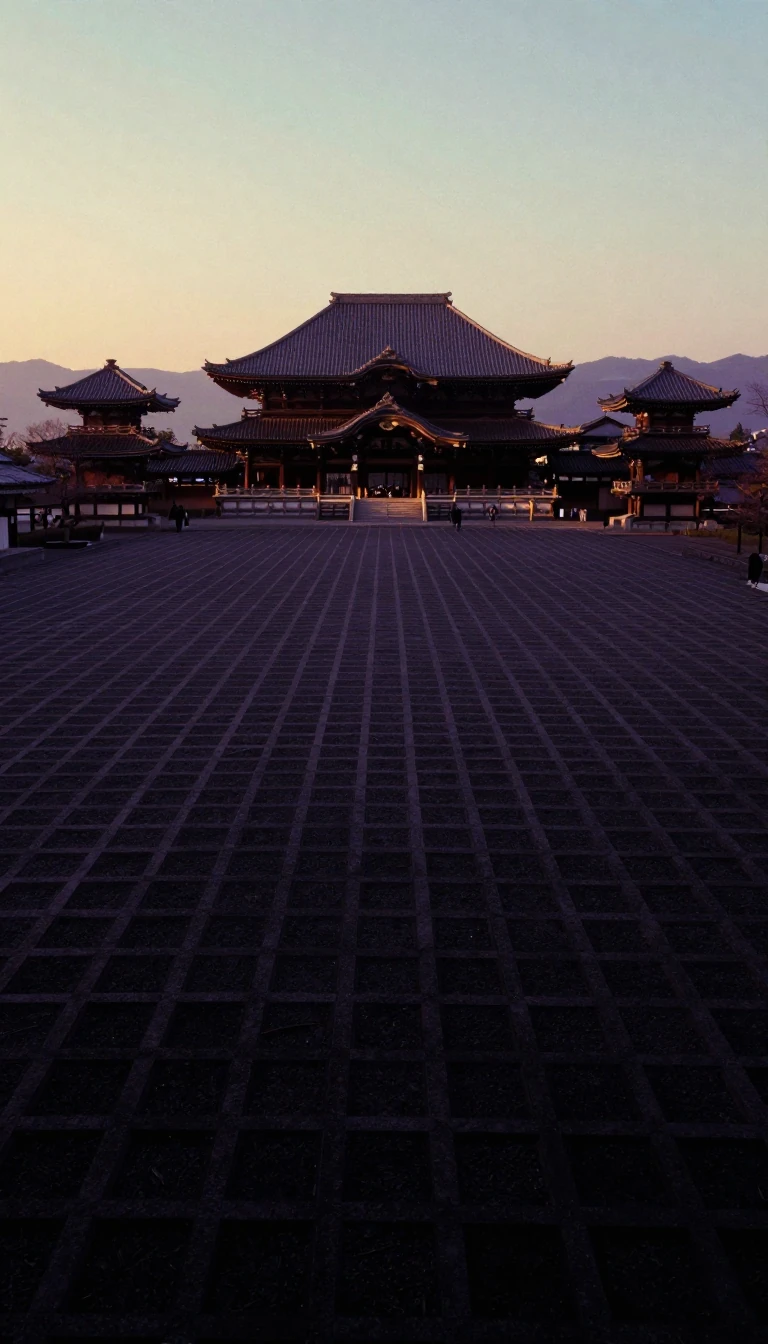
In short: Before it became Tokyo, Edo was a deliberate political project. Starting as a modest fortified residence in 1590, it evolved into the world's largest city by the 18th century. Through massive land reclamation and complex water management, the Tokugawa shogunate turned an unformed landscape into a highly structured urban center.
When Tokugawa Ieyasu arrived in 1590, the site of Edo was little more than a small, fortified residence on the edge of the Musashino Plateau, surrounded by tidal inlets and undeveloped wetlands. Recognizing its strategic value, Ieyasu initiated surveys that would dictate the city's future. Following his victory at the Battle of Sekigahara in 1600, he began a systematic transformation, moving away from natural growth toward a rigid, administrative urban design.
The shogunate utilized a compulsory public works system known as Tenka-bushin, which required daimyōs to finance and execute massive infrastructure projects. This labor force cut into the plateau for earth, reclaimed coastal shallows to expand the city eastward, and constructed an extensive network of canals and moats. These efforts were vital for flood control and logistics, and they allowed for the creation of the Shitamachi district, the vibrant hub for townspeople and merchants.
Water supply was a critical challenge for a city built over an estuary. To provide fresh water and fire protection, the shogunate engineered sophisticated aqueducts, such as the Tamagawa and Kanda systems, which transported water from the west. By the mid-17th century, these engineering feats had successfully turned a marshy bay into a resilient, planned metropolis. The city's layout was deeply stratified, with samurai and daimyō residences occupying the majority of the land, reflecting the rigid social order imposed by the Tokugawa regime.
The city's character was defined by this military and political organization, setting it apart from the commercial focus of Osaka or the imperial history of Kyoto. By 1721, Edo's population reached an estimated 1 million, cementing its status as a global urban center. This deliberate planning during the Tokugawa era provided the physical and conceptual foundation for the modern character of Tokyo, which was renamed and established as the capital after the 1868 Meiji Restoration.
Opens the Intellect+ feed with this card first. Swipe up for the next one.
Sources
- Summary by Intellect · source: Edo
To cite this card, link to https://intellectplus.co.uk/app/art-edo.
How we source, check and correct cards: Editorial standards.
General information, not professional advice. Spotted an error? Flag the card or see corrections and complaints.
Intellect Plus is a visual educational discovery platform for exploring fascinating facts and ideas. Brain Food, Not Brain Rot. What is Intellect Plus?
Related
More in Visual artists · More in Art · Latest · A–Z · All topics
