How an electrical engineer became the poet of Taiwan's rapidly modernizing urban landscape
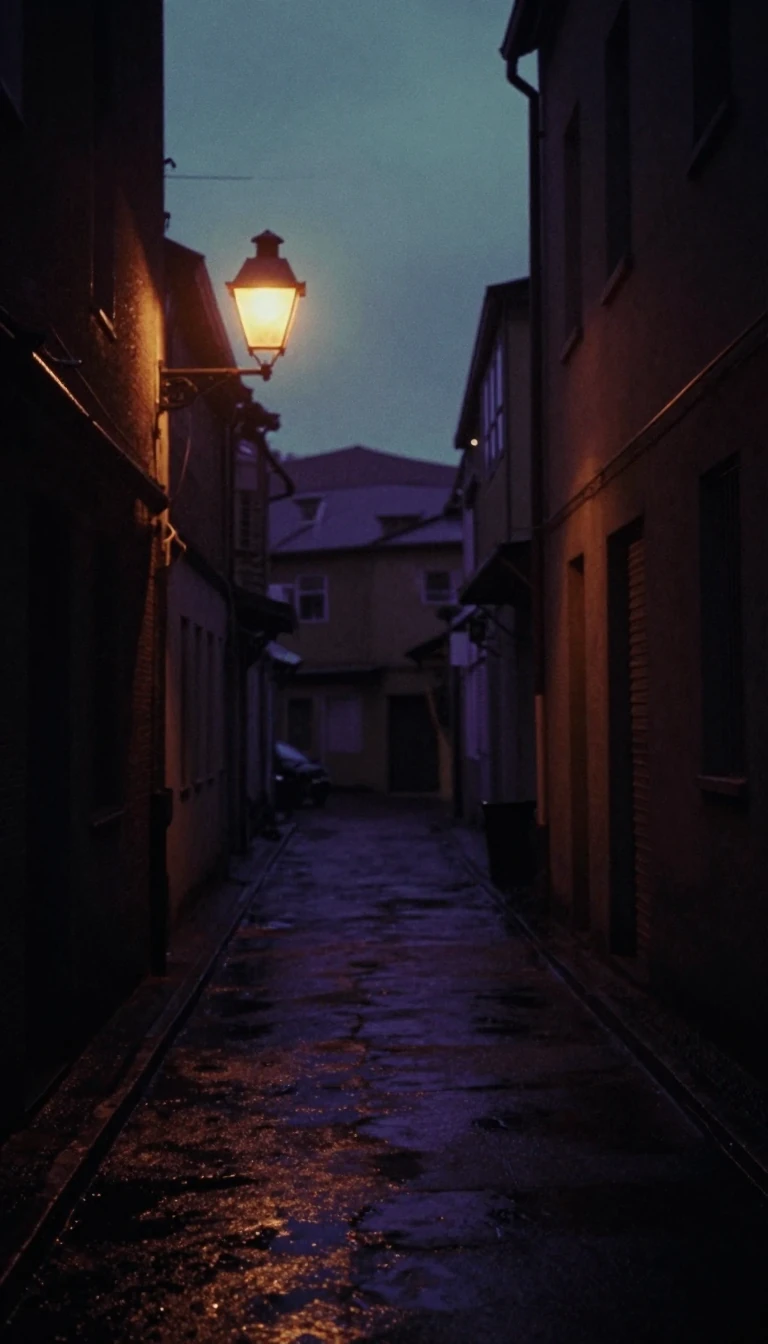
In short: Edward Yang abandoned a promising career in microcomputers and defense software after a chance encounter with Werner Herzog's cinema. He returned to Taiwan to become a pioneer of the Taiwanese New Wave, crafting complex, multi-narrative films that captured the alienation and shifting social dynamics of modern urban life.
Born in Shanghai in 1947, Yang moved to Taiwan as a child. He initially pursued a technical path, earning a master's degree in electrical engineering from the University of Florida in 1974. Though he briefly worked in the high-tech sector in Seattle, his passion for film was reignited by Herzog’s 1972 work, Aguirre, the Wrath of God. This pivot led him back to Taiwan in 1980, where he began his transition from engineer to filmmaker.
Yang’s directorial style was defined by deliberate pacing, fixed camera work, and an analytical focus on the middle class. His films, such as Terrorizers (1986) and A Brighter Summer Day (1991), explored the friction between tradition and modernity in urban Taiwan. He was often called a 'poet of the city,' using fractured narratives to examine how greed and societal change influenced human relationships. Unlike many of his contemporaries who focused on rural life, Yang remained fixated on the complexities of the city.
His final masterpiece, Yi Yi (2000), earned him the Best Director award at the Cannes Film Festival. The film, which follows three generations of the Jian family, is widely regarded as one of the most significant works of its decade. Despite his critical acclaim, Yang often struggled with the commercial aspects of distribution, viewing his art as separate from the profit-driven motives of the film industry. He continued to experiment with theater and animation until his death in 2007, following a seven-year battle with colon cancer.
Yang’s legacy remains tied to his independence and his belief that a single person’s determination could shape a film. He taught at the Taipei National University of the Arts and collaborated frequently with other prominent Taiwanese filmmakers, including Hou Hsiao-hsien and Wu Nien-jen. His work continues to be studied for its profound, sensitive portrayal of cultural gaps and the painful choices inherent in modern life.
Opens the Intellect+ feed with this card first. Swipe up for the next one.
Sources
- Summary by Intellect · source: Edward Yang
To cite this card, link to https://intellectplus.co.uk/app/art-edward-yang.
How we source, check and correct cards: Editorial standards.
General information, not professional advice. Spotted an error? Flag the card or see corrections and complaints.
Intellect Plus is a visual educational discovery platform for exploring fascinating facts and ideas. Brain Food, Not Brain Rot. What is Intellect Plus?
Related
More in Filmmakers and theatre directors · More in Art · Latest · A–Z · All topics
