How a Soviet director turned his childhood trauma into a cinematic masterpiece of war
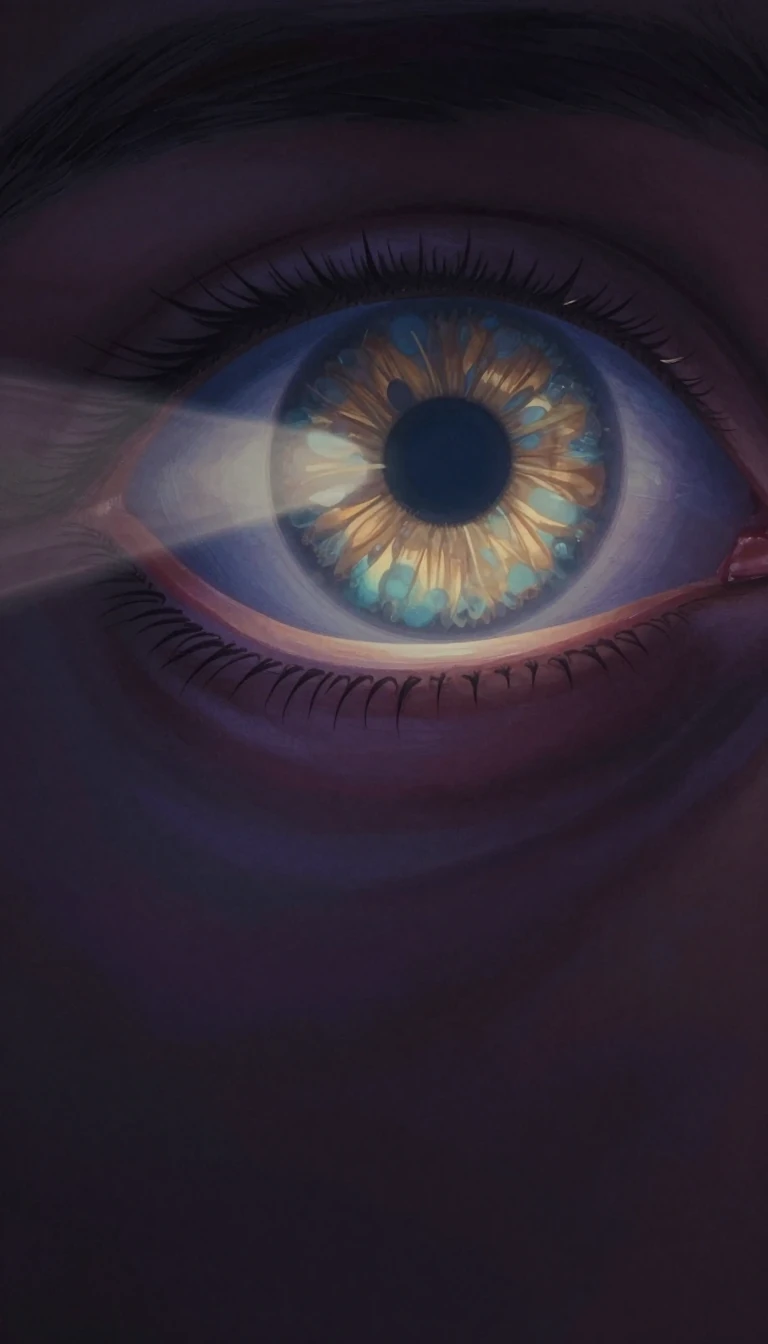
In short: Elem Klimov was a filmmaker whose career was defined by state censorship and personal tragedy. From his early satires to his final, haunting masterpiece, Come and See, Klimov navigated the rigid Soviet system to create art that captured the darkest realities of the twentieth century with unflinching, visceral intensity.
Born in Stalingrad in 1933, Elem Klimov’s early life was marked by the violence of war, including a harrowing escape across the Volga on a makeshift raft during the Battle of Stalingrad. These childhood memories would later inform his 1985 film, Come and See, a harrowing depiction of a teenage boy in German-occupied Byelorussia. Klimov famously noted that he could not bear to show the full truth of his experiences, as even he found the reality too horrific to watch.
Klimov’s career was a constant battle against Soviet bureaucracy. His 1964 debut, Welcome, or No Trespassing, was briefly banned for insulting the Communist Party, only reaching audiences after Nikita Khrushchev personally authorized its release. His second film, Adventures of a Dentist, faced similar suppression; censors restricted its distribution to fewer than 80 theaters because it suggested that society inevitably ostracizes those with natural gifts. His film Agony, a portrait of Rasputin, was completed in 1975 but suppressed for a decade due to its controversial subject matter and orgy scenes.
The trajectory of his work shifted permanently in 1979 following the death of his wife, the acclaimed director Larisa Shepitko, in a car accident. Her loss left a profound mark on Klimov, and all his subsequent films were tragedies. In 1986, he became First Secretary of the Filmmakers' Union, using his position to release previously banned films and reinstate directors who had fallen out of political favor. Despite this influence, he grew frustrated with remaining obstacles and resigned in 1988. He never completed another film, later stating that he had lost interest in cinema because he felt he had already accomplished everything he could.
Klimov died in 2003 from brain hypoxia. While his filmography was relatively small, his legacy remains tied to his refusal to compromise his artistic vision, even when faced with the full weight of the Soviet state’s censorship apparatus.
Opens the Intellect+ feed with this card first. Swipe up for the next one.
Sources
- Summary by Intellect · source: Elem Klimov
To cite this card, link to https://intellectplus.co.uk/app/art-elem-klimov.
How we source, check and correct cards: Editorial standards.
General information, not professional advice. Spotted an error? Flag the card or see corrections and complaints.
Intellect Plus is a visual educational discovery platform for exploring fascinating facts and ideas. Brain Food, Not Brain Rot. What is Intellect Plus?
Related
More in Filmmakers and theatre directors · More in Art · Latest · A–Z · All topics
