How a failed actress invented the modern profession of interior design
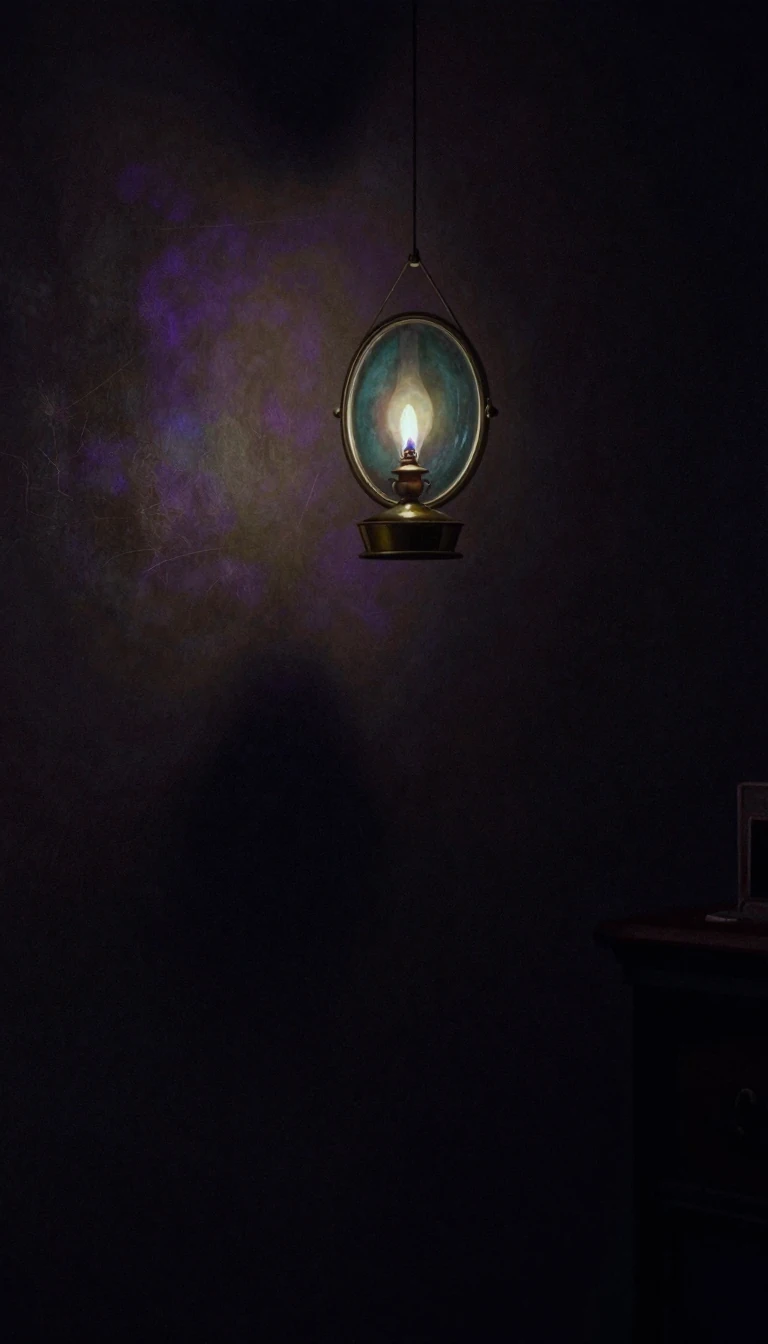
In short: Before Elsie de Wolfe, American homes were dark, heavy, and suffocatingly Victorian. After a lackluster stage career, she pivoted to decorating, replacing ornate clutter with light, air, and simplicity. She did not just rearrange furniture; she pioneered a new professional identity that transformed the look of the American home.
Born in 1865, Elsie de Wolfe spent her early years in a world of rigid, dark Victorian aesthetics that she famously loathed. After a modest career as an actress, she transitioned into interior design in 1905. Her breakthrough came with the commission for the Colony Club in New York, where she introduced a radical departure from masculine, heavy-handed interiors. By utilizing mirrors, pale paint, and light fabrics, she created an atmosphere of airiness and visual unity that felt like an indoor garden.
De Wolfe’s influence spread rapidly through her 1913 book, The House in Good Taste, and her work for elite clients like Henry Clay Frick. She favored 18th-century French furniture, trelliswork, and chintz, effectively banishing the dark, cluttered styles of her childhood. While some modern designers now prize the very Victorian pieces she sought to eliminate, her impact on the industry was undeniable. She turned a hobby into a recognized, professionalized field, eventually becoming the most sought-after decorator of her era.
Her life was as unconventional as her design philosophy. She lived openly with her partner, Elisabeth Marbury, and maintained a second home at the Villa Trianon in Versailles. During World War I, she served in France, earning military honors for her relief efforts with gas-burn victims. Later, she married diplomat Sir Charles Mendl, though the union was widely viewed as a marriage of convenience. By the time she died in 1950, she had successfully opened the doors of American homes to the sunshine, leaving behind a legacy that defined the modern interior.
Opens the Intellect+ feed with this card first. Swipe up for the next one.
Sources
- Summary by Intellect · source: Elsie de Wolfe | Biography, Designs, & Facts | Britannica
- Also: Elsie de Wolfe
To cite this card, link to https://intellectplus.co.uk/app/art-elsie-de-wolfe.
How we source, check and correct cards: Editorial standards.
General information, not professional advice. Spotted an error? Flag the card or see corrections and complaints.
Intellect Plus is a visual educational discovery platform for exploring fascinating facts and ideas. Brain Food, Not Brain Rot. What is Intellect Plus?
Related
More in Visual artists · More in Art · Latest · A–Z · All topics
