Why painting outdoors transformed the history of art and light
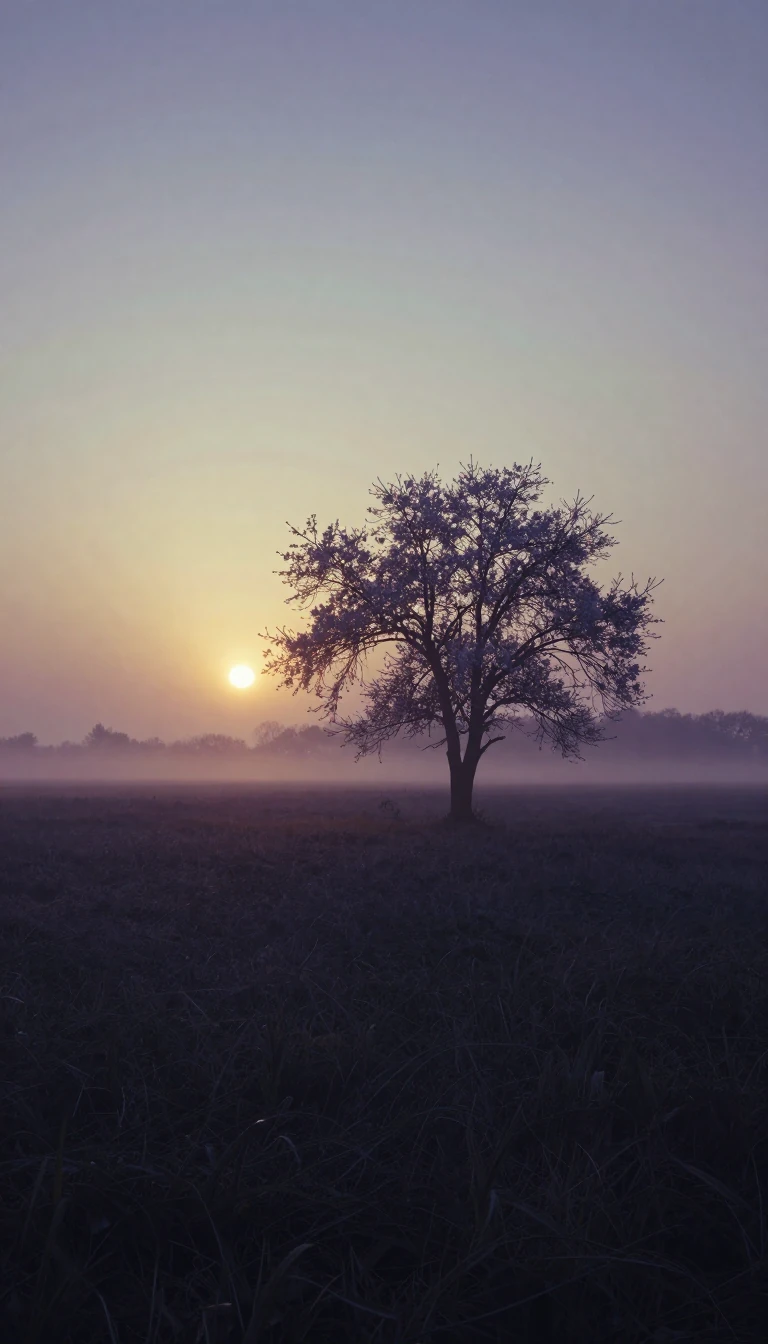
In short: For centuries, artists were tethered to studios by the labor of grinding raw pigments. The shift to painting en plein air—outdoors—did more than change the scenery; it revolutionized how light, weather, and atmosphere were captured on canvas, eventually fueling the radical rise of Impressionism and global artistic movements.
The concept of painting directly in the landscape was first proposed by Pierre-Henri de Valenciennes in his 1800 treatise. By advocating for artists to work in situ, he challenged the rigid academic conventions that favored predetermined, studio-bound compositions. This approach allowed painters to observe the fleeting nuances of light and shifting weather patterns, though it remained logistically difficult until the mid-19th century.
Two major technological leaps made outdoor painting viable. First, the 1841 invention of the collapsible paint tube by John G. Rand liberated artists from the need to grind and mix their own pigments. Second, the development of portable equipment, such as the French box easel and the compact pochade box, allowed painters to carry supplies into forests or up hillsides. These tools, which remain popular today, enabled artists to work on location with greater ease, despite the inherent challenges of wind, insects, and rapidly changing environmental conditions.
By the 1860s, the practice had become a cornerstone for groups like the French Impressionists, including Claude Monet and Pierre-Auguste Renoir. They utilized vivid synthetic pigments to create brighter, lighter works that extended the realism of the earlier Barbizon School. This movement quickly spread globally, influencing the Italian Macchiaioli, the Newlyn School in England, the Heidelberg School in Australia, and various American and Canadian collectives. What began as a radical departure from tradition eventually became a standard, enduring method for capturing the world as it appears in the moment.
Opens the Intellect+ feed with this card first. Swipe up for the next one.
Sources
- Summary by Intellect · source: En plein air
- Also: Art Institute of Chicago — En Plein Soleil · CC0 (data); description CC BY 4.0
To cite this card, link to https://intellectplus.co.uk/app/art-en-plein-air.
How we source, check and correct cards: Editorial standards.
General information, not professional advice. Spotted an error? Flag the card or see corrections and complaints.
Intellect Plus is a visual educational discovery platform for exploring fascinating facts and ideas. Brain Food, Not Brain Rot. What is Intellect Plus?
Related
More in Visual artists · More in Art · Latest · A–Z · All topics
