Why the Erechtheion remains the most enigmatic and debated temple on the Athenian Acropolis.
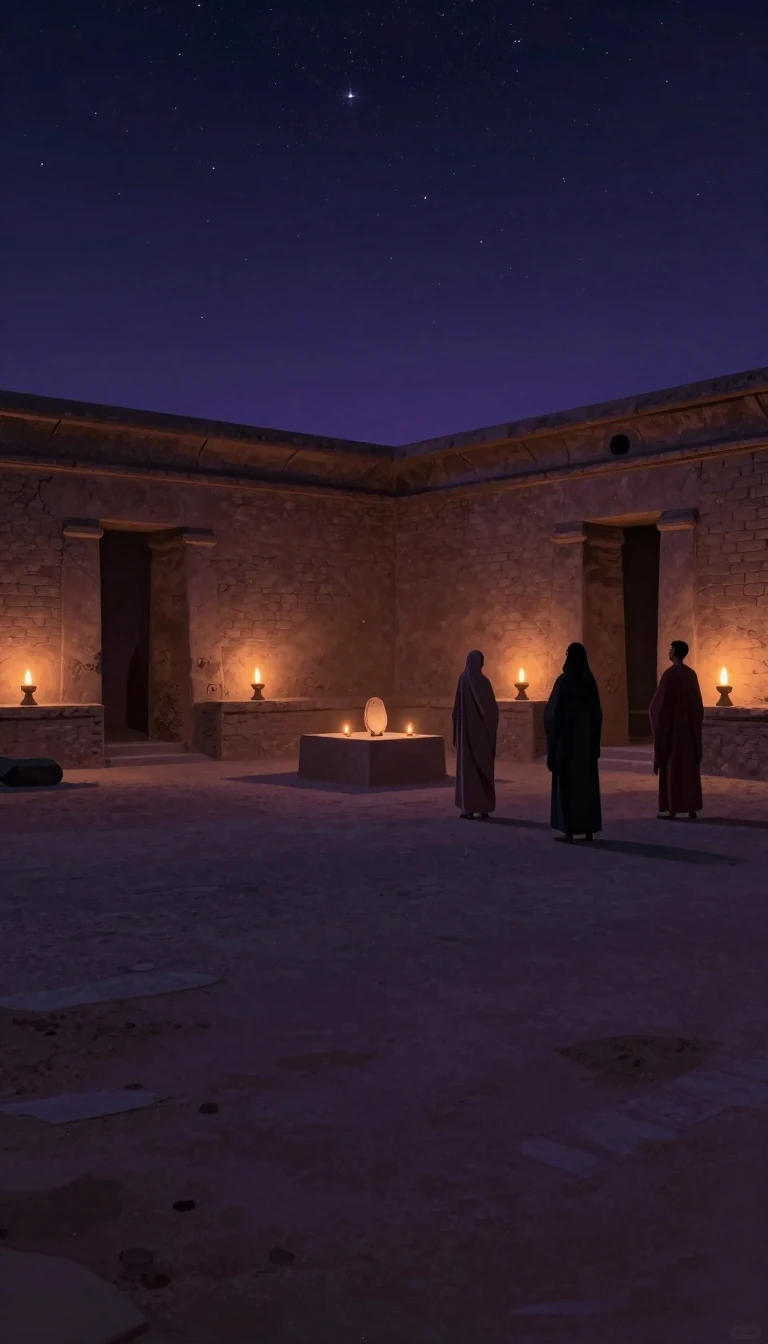
In short: The Erechtheion defies the classical canon with its bizarre, asymmetrical layout. Far from a simple temple, it functioned as a complex reliquary for diverse cults, from Athena to Poseidon. Today, scholars still debate its original purpose, its interior design, and whether it even houses the shrines described by ancient writers.
The Erechtheion, situated on the north side of the Acropolis, is a masterpiece of the Ionic style, yet it remains a puzzle for archaeologists. Unlike the symmetrical Parthenon, the Erechtheion is famously asymmetrical, a feature often attributed to the uneven terrain or the complex, evolving nature of the cults it housed. Construction likely occurred between 421 and 406 BCE, though some scholars argue for an earlier start in the 430s. The identity of its architect remains unknown, with Mnesikles, Kallikrates, and Iktinos frequently cited as potential candidates.
The building served as a repository for sacred objects rather than a single-purpose temple. It housed the xoanon of Athena Polias, the sacred olive tree, and a saltwater well, alongside altars dedicated to Poseidon, Erechtheus, and Hephaistos. This unique collection has led some researchers to describe the structure as a museum of religious curiosities. The interior layout is particularly contested; while traditional views suggest a two-chambered design, the lack of primary evidence makes it impossible to confirm whether it featured an internal dividing wall or even a second storey.
Its post-classical history is equally complex. The temple was converted into a Christian basilica in the 7th century, later serving as a bishop's residence during the Frankish occupation and allegedly as a harem under Ottoman rule. The building suffered severe damage during the siege of 1826–1827, leading to multiple restoration efforts, including the first anastylosis by Kyriakos Pittakis between 1837 and 1840. Today, the Erechtheion stands as a seminal example of classical architecture, yet it remains a problematic site where the precise nature of its religious and architectural elements continues to spark intense scholarly debate.
The famous Porch of the Maidens, featuring six sculpted female figures as columns, remains a focal point of study. While some argue these korai represent mourners for the mythical King Kekrops, others suggest they are simply an extension of an archaic tradition of using human figures as architectural supports. The discovery of copies in Tivoli suggests these figures may have carried ritual objects, further cementing the temple's role as a central hub for Athenian religious life.
Opens the Intellect+ feed with this card first. Swipe up for the next one.
Sources
- Summary by Intellect · source: Erechtheion
To cite this card, link to https://intellectplus.co.uk/app/art-erechtheion.
How we source, check and correct cards: Editorial standards.
General information, not professional advice. Spotted an error? Flag the card or see corrections and complaints.
Intellect Plus is a visual educational discovery platform for exploring fascinating facts and ideas. Brain Food, Not Brain Rot. What is Intellect Plus?
Related
More in Visual artists · More in Art · Latest · A–Z · All topics
