Why Athens' best-preserved temple was misidentified as the tomb of a legendary hero
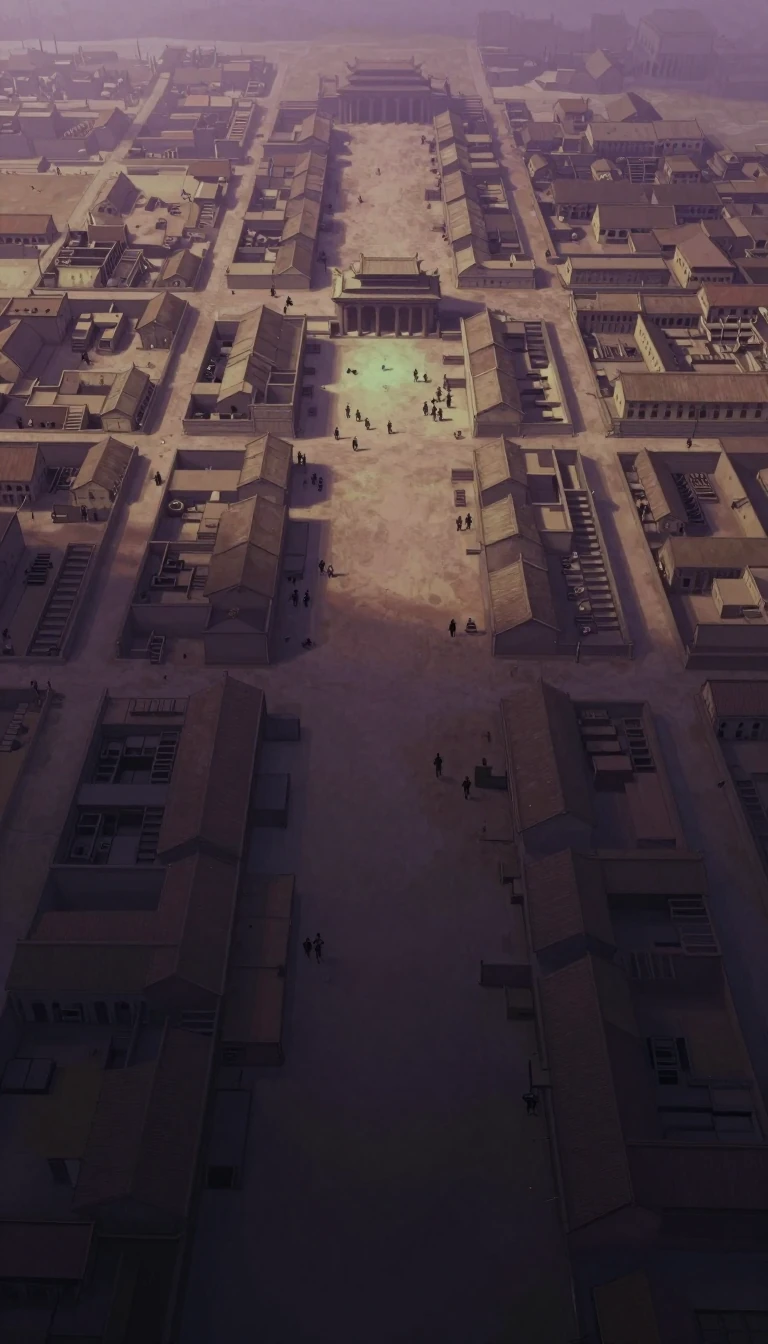
In short: The Temple of Hephaestus stands remarkably intact today, yet for centuries, it was mistakenly called the Theseion. Long thought to house the remains of the Athenian hero Theseus, the building was actually a vibrant hub for metalworkers and a centerpiece for state-sanctioned festivals honoring the god of fire and craft.
Perched on the Agoraios Kolonos hill overlooking the Athenian Agora, the Temple of Hephaestus is a masterwork of 5th-century BC architecture. Construction began in 449 BC under Pericles’ grand vision for Athens, though work was periodically delayed as resources were diverted to the Parthenon. The structure is a Doric peripteral temple built primarily of Pentelic marble, featuring a unique alignment of the pronaos antae with the third flank columns. Recent photogrammetric analysis reveals the builders’ precision, showing they adjusted the architrave’s slope by centimeters to compensate for subsidence in the limestone bedrock.
The temple’s identity was long obscured by the assumption that it held the bones of Theseus, which the general Kimon had returned to Athens from Skyros in 475 BC. This error persisted until inscriptions definitively linked the site to Hephaestus, the patron of metalworking. Archaeological excavations have unearthed tools, casting molds, and metal slag in the vicinity, confirming that local artisans treated the area as a sacred space for their trade. The temple’s decorative program, including metopes depicting the Labours of Heracles and Theseus, served as political allegory, reinforcing Athens' identity as a city of order and ingenuity.
Beyond its religious role, the temple functioned as a civic anchor. It hosted the Hephaisteia, a state festival that evolved from an annual event into a penteteric celebration by 329 BC, featuring torch races and elaborate processions. Following the decline of paganism, the building’s survival was secured by its conversion into the Church of Saint George Akamates around the 7th century. It remained a place of worship until 1833, later serving as a museum and a burial site for 19th-century philhellenes before reverting to an ancient monument in 1934.
Opens the Intellect+ feed with this card first. Swipe up for the next one.
Sources
- Summary by Intellect · source: Temple of Hephaestus
To cite this card, link to https://intellectplus.co.uk/app/society-temple-of-hephaestus.
How we source, check and correct cards: Editorial standards.
General information, not professional advice. Spotted an error? Flag the card or see corrections and complaints.
Intellect Plus is a visual educational discovery platform for exploring fascinating facts and ideas. Brain Food, Not Brain Rot. What is Intellect Plus?
Related
More in Society · Latest · A–Z · All topics
