Fan art is more than just sketches; it is a complex cultural dialogue.
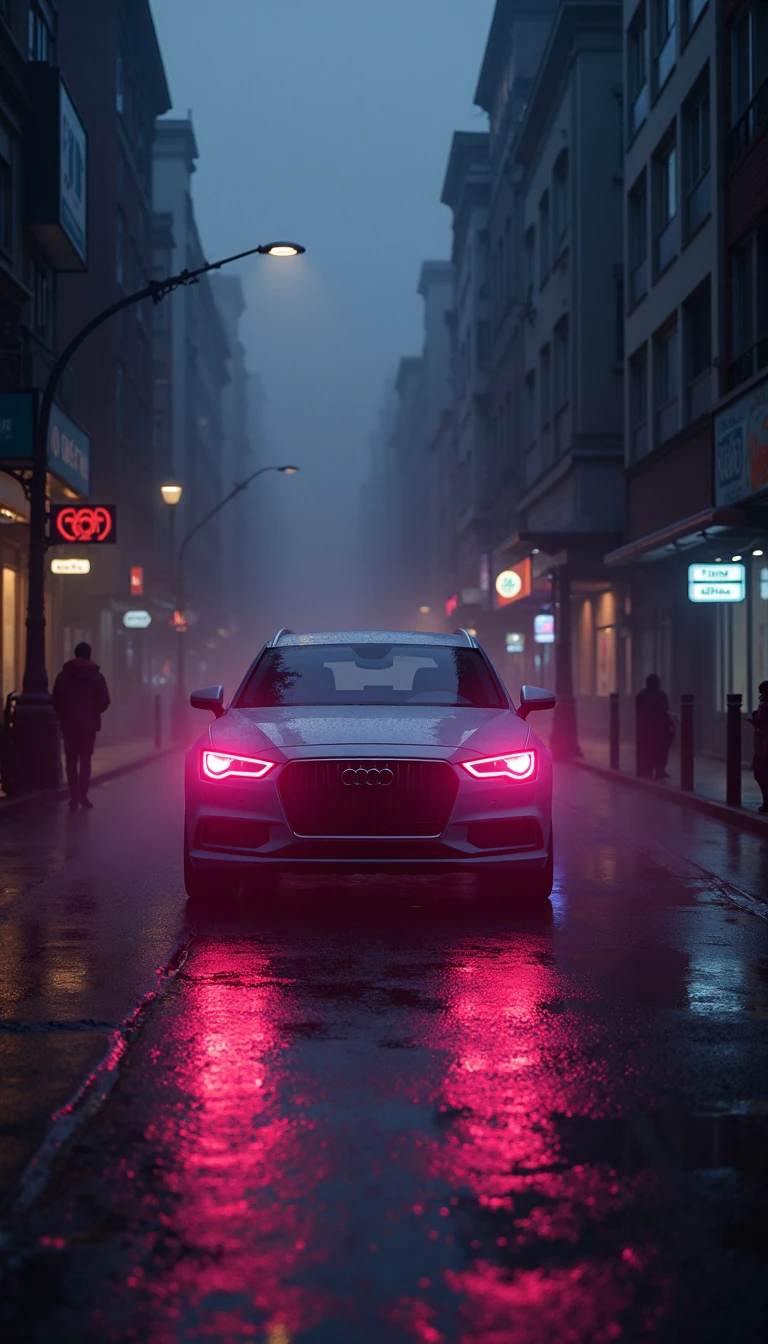
In short: Fan art is often dismissed as amateur imitation, but it is a sophisticated engine for cultural critique and technical skill development. By reimagining characters in new contexts, fans engage in a collaborative, transformative process that challenges traditional boundaries of authorship, copyright, and the way we interact with our favorite media.
At its core, fan art is artwork created by fans depicting characters or events from a work of fiction or celebrity. While modern usage often refers to derivative works, the term historically described original science fiction and fantasy art found in fanzines. Today, the practice has evolved into a vast digital ecosystem, ranging from traditional paintings to complex animations, GIFs, and even conceptual video art. This evolution is driven by the internet and digital tools, which allow fans to manipulate and remix source material with unprecedented speed and sophistication.
Beyond mere fandom, creating fan art serves as a critical pedagogical tool. A 2009 study by researcher Marjorie Cohee Manifold found that over 79 per cent of surveyed fan artists identified practicing exact copies of source material as essential for mastering difficult technical drawing skills. By attempting to capture a character’s likeness accurately, novice artists develop the precision required to eventually branch out into original interpretations. These interpretations often function as cultural commentary, allowing fans to explore alternate relationship dynamics, known as shipping, or to emphasize traits that the original work left unelaborated.
The legality of these works remains a nuanced global issue. Under the Berne Convention, fan art is often considered a derivative work, placing control with the original copyright holder. However, many companies adopt a permissive stance; for example, Funimation allows fan works at conventions to showcase their properties, and in 2016, Japanese Prime Minister Shinzo Abe noted that doujinshi generally do not compete with original works. In the United States, creators often look to the fair use doctrine, 17 U.S.C. § 107, which weighs factors like the transformative nature of the work and its economic impact. While not explicitly adjudicated for fan art, this legal gray area continues to shape how fandoms interact with the intellectual property they love.
Opens the Intellect+ feed with this card first. Swipe up for the next one.
Sources
- Summary by Intellect · source: Fan art
- Also: Art Institute of Chicago — Fan · CC0 (data); description CC BY 4.0
To cite this card, link to https://intellectplus.co.uk/app/art-fan-art.
How we source, check and correct cards: Editorial standards.
General information, not professional advice. Spotted an error? Flag the card or see corrections and complaints.
Intellect Plus is a visual educational discovery platform for exploring fascinating facts and ideas. Brain Food, Not Brain Rot. What is Intellect Plus?
Related
More in Visual arts · More in Art · Latest · A–Z · All topics
