How a common German word for guide became a symbol of absolute dictatorship
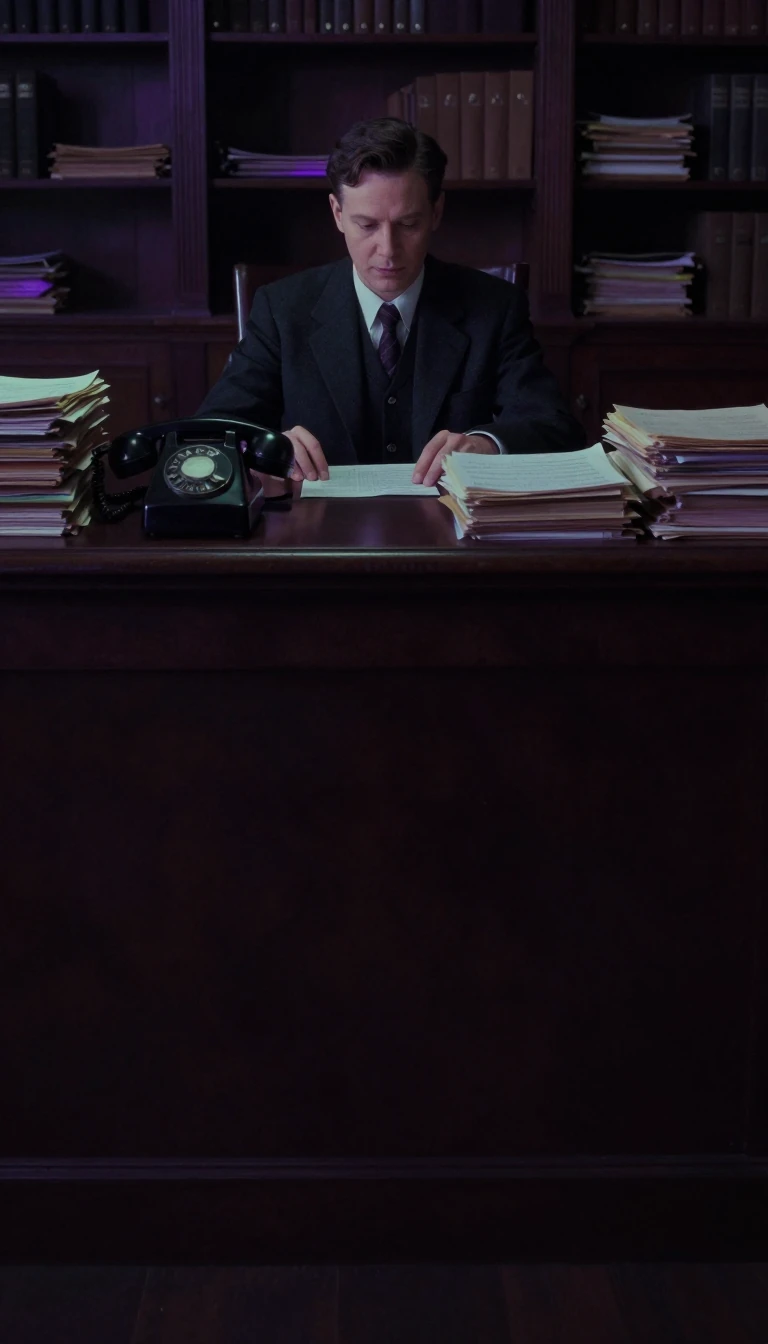
In short: Führer is a standard German term for a leader or guide, appearing in everyday words like travel guide or driver's license. Yet, its association with Adolf Hitler’s regime transformed it into a loaded political title. Understanding its evolution reveals how a simple noun was weaponized to consolidate total state power.
The word Führer, meaning leader or guide, has deep roots in German, serving as a functional title for roles ranging from mountain guides to game captains. Historically, it also functioned as a military designation for commanders lacking permanent status. However, the term's political trajectory began with Georg Ritter von Schönerer, an Austrian nationalist whose followers adopted the title for him in the late 19th century. By 1921, Adolf Hitler had claimed the title for himself, demanding dictatorial powers as chairman of the Nazi Party.
Hitler’s consolidation of power relied on the Führerprinzip, or leader principle, which placed him at the apex of a rigid hierarchy. Following the death of President Paul von Hindenburg in 1934, Hitler merged the offices of President and Chancellor, styling himself Führer und Reichskanzler. While he maintained a facade of legality through the Enabling Act—which allowed the cabinet to bypass the Reichstag—his word became the ultimate authority. This system effectively dismantled constitutional checks and balances, allowing Hitler to rule by decree.
The scope of the title expanded significantly over time. By 1941, Hitler adopted the title of Germanic Führer to emphasize his leadership over the so-called Nordic-Germanic master race. Propaganda slogans like 'Ein Volk, ein Reich, ein Führer' permeated German society, cementing his image as the sole source of power. Despite his absolute authority, Hitler’s narrow focus on military and diplomatic matters meant that subordinates often interpreted his vague wishes to suit their own organizational interests, creating a complex, competitive power structure that ultimately reinforced his position at the top.
Opens the Intellect+ feed with this card first. Swipe up for the next one.
Sources
- Summary by Intellect · source: Führer
- Also: www.britannica.com — Führer | Adolf Hitler, German Leader, Dictator | Britannica
To cite this card, link to https://intellectplus.co.uk/app/art-f-hrer.
How we source, check and correct cards: Editorial standards.
General information, not professional advice. Spotted an error? Flag the card or see corrections and complaints.
Intellect Plus is a visual educational discovery platform for exploring fascinating facts and ideas. Brain Food, Not Brain Rot. What is Intellect Plus?
Related
More in Visual arts · More in Art · Latest · A–Z · All topics
