How a fusion of rave, rap, and synthesizers conquered the global dance floor.
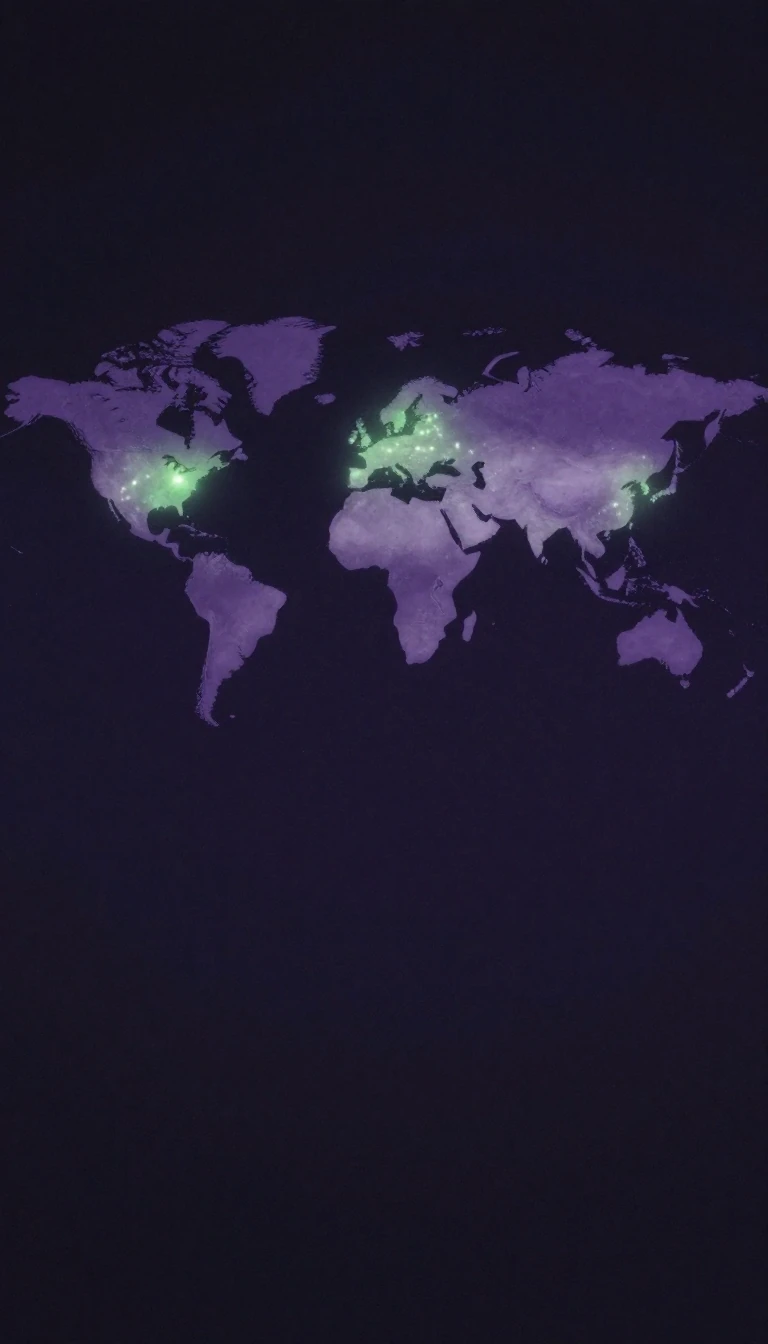
In short: Born in the late 1980s from the underground rave scenes of Germany, Eurodance became a chart-topping phenomenon. By blending hip-hop vocals with high-energy electronic beats, producers created a sound designed for mass appeal. It dominated European airwaves for years, leaving a legacy that still echoes in modern pop culture.
Eurodance emerged in the late 1980s, rooted in the central European rave scene. As German cities like Frankfurt became hubs for electronic experimentation, producers like Michael Münzing and Luca Anzilotti—operating as Snap!—began blending house music with imported soul and hip-hop vocals. This fusion, characterized by a four-to-the-floor beat ranging from 120 to 150 beats per minute, defined the genre. The music relied on a specific formula: male rappers delivering verses and female singers performing melodic, catchy choruses. This structure was intentionally pop-oriented, prioritizing chart-topping singles over cohesive album projects.
The genre's 'golden era' spanned from 1992 to 1995, a period when acts like 2 Unlimited, Culture Beat, and Haddaway dominated European charts. By 1995, Eurodance was so pervasive that five of the top ten singles in Europe belonged to the genre. While it found massive success in Europe and Canada—where it spawned a local variant known as Candance—it struggled to break into the mainstream U.S. Top 40, often finding more success in club-oriented charts. Musicologist Nico Thom has described the production as heavily condensed, resulting in a 'compact, superficial listening experience' that favored hedonistic lyrics about partying and romance.
By 1996, the genre's popularity began to wane as the industry shifted toward progressive house, trance, and other dance styles. Producers, sensing the need for change, began experimenting with new sounds to avoid obsolescence. Despite its decline, the genre left a lasting footprint. In 2023, the parody song 'Planet of the Bass' reignited interest, and in 2024, the genre's aesthetic was repurposed in social media content. From its origins as a political tool for unity following the fall of the Berlin Wall to its current status as a nostalgic touchstone, Eurodance remains a defining chapter in the history of electronic music.
Opens the Intellect+ feed with this card first. Swipe up for the next one.
Sources
- Summary by Intellect · source: Eurodance
To cite this card, link to https://intellectplus.co.uk/app/art-eurodance.
How we source, check and correct cards: Editorial standards.
General information, not professional advice. Spotted an error? Flag the card or see corrections and complaints.
Intellect Plus is a visual educational discovery platform for exploring fascinating facts and ideas. Brain Food, Not Brain Rot. What is Intellect Plus?
Related
More in Visual arts · More in Art · Latest · A–Z · All topics
