How a real-life hotelier's rudeness inspired the world's most famous dysfunctional sitcom
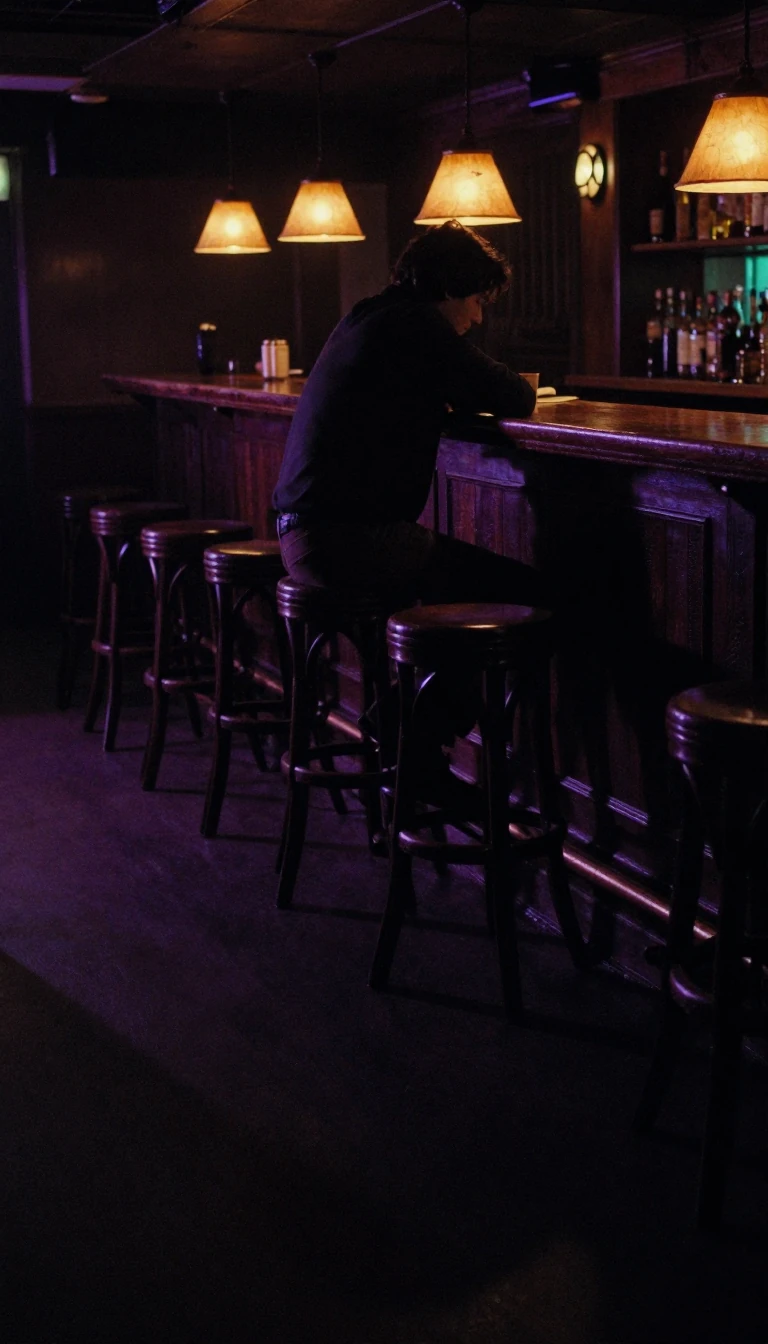
In short: John Cleese and Connie Booth created Fawlty Towers after staying at a hotel where the owner tossed a guest's briefcase out a window. This real-life proprietor, Donald Sinclair, viewed guests as a colossal inconvenience, providing the blueprint for Basil Fawlty, the snobby, short-fused manager of a fictional seaside hotel.
The series, which aired two six-episode seasons in 1975 and 1979, was born from John Cleese's fascination with Donald Sinclair, the owner of the Gleneagles Hotel in Torquay. Cleese, who stayed there with the Monty Python troupe in 1970, described Sinclair as the rudest man he had ever encountered. Sinclair’s behavior—which included criticizing table etiquette and fearing a briefcase contained a bomb—became the foundation for Basil Fawlty’s character. The show’s production was notoriously meticulous; Cleese and Booth often spent four months and up to 10 drafts per episode to ensure perfection. They prioritized tight pacing, using 400 camera cuts per episode, double the industry average, and spending up to 25 hours editing each half-hour installment.
Despite its eventual status as a jewel of British comedy, the show faced skepticism early on. The BBC initially rejected the first script, with one assessor calling it a disaster full of clichés. Even after production began, the show was filmed in Buckinghamshire and Harrow rather than the seaside town of Torquay where it was set. The cast, including Prunella Scales as the braying, intimidating Sybil and Andrew Sachs as the hapless waiter Manuel, brought a unique dynamic to the screen. Manuel’s character, in particular, became a focal point for the show’s farcical violence, which was often directed at him by Basil, leading to real-life injuries for Sachs during filming.
The show’s enduring appeal lies in its intricate, farcical plots and the psychological depth of its central couple. Basil, a snobbish misanthrope desperate for social status, is constantly thwarted by his own incompetence and his wife’s dominance. While the show is famous for its catchphrases and slapstick, it also features moments of dark humor and genuine character study. Cleese noted that the show’s success stemmed from the high quality of the scripts and the care taken in editing, which allowed the team to tighten the comedy until it was razor-sharp. Even today, the series is widely regarded as a benchmark for the genre, consistently ranking at the top of lists for the greatest British television programs.
Opens the Intellect+ feed with this card first. Swipe up for the next one.
Sources
- Summary by Intellect · source: Fawlty Towers
To cite this card, link to https://intellectplus.co.uk/app/art-fawlty-towers.
How we source, check and correct cards: Editorial standards.
General information, not professional advice. Spotted an error? Flag the card or see corrections and complaints.
Intellect Plus is a visual educational discovery platform for exploring fascinating facts and ideas. Brain Food, Not Brain Rot. What is Intellect Plus?
Related
More in Film and television · More in Art · Latest · A–Z · All topics
