Why the most iconic architectural detail in history is hiding in plain sight
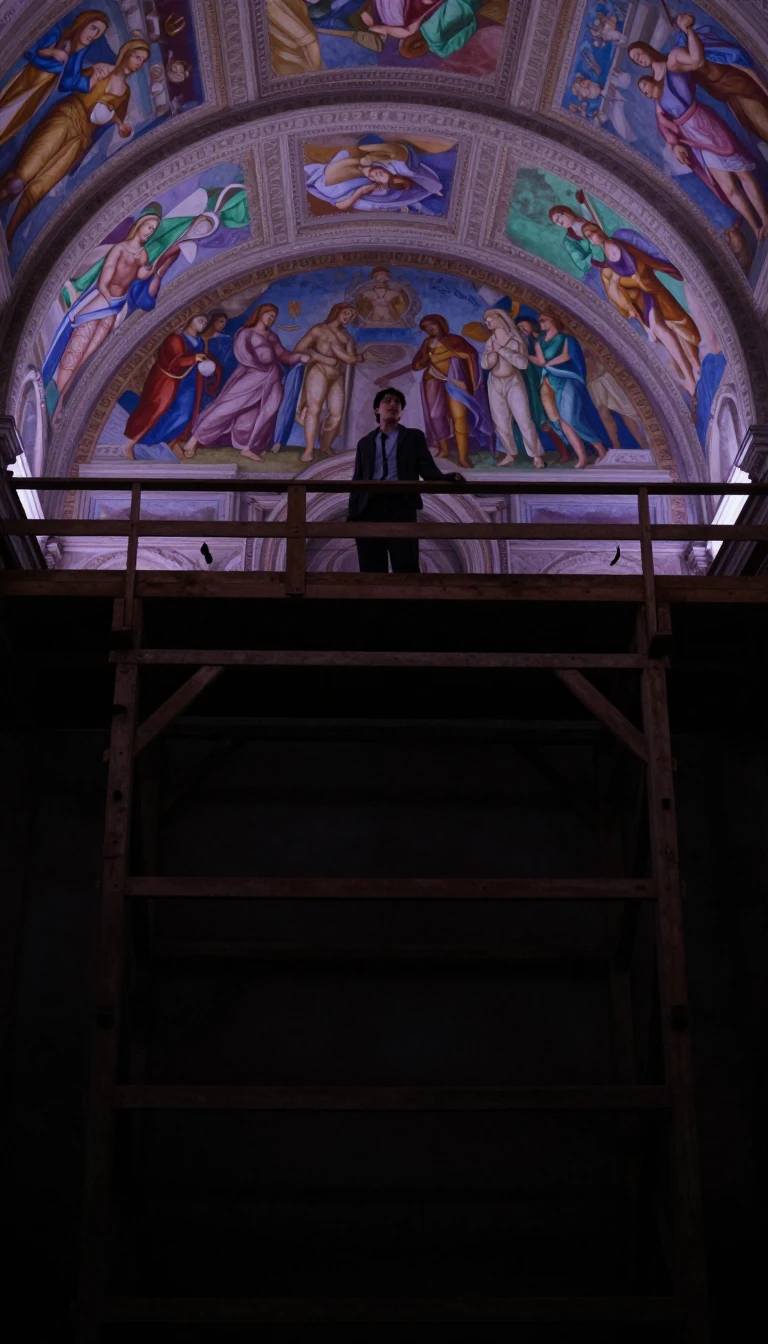
In short: Look up at the wall just below the ceiling. You might see a decorative band—a frieze. From the elaborate stone carvings of the ancient Parthenon to the intricate plasterwork of 19th-century Chicago theaters, this horizontal strip has defined human spaces for millennia, turning structural necessities into canvases for storytelling.
In classical architecture, the frieze serves as the wide, central component of an entablature, positioned directly above the architrave and beneath the cornice. While it can remain plain in certain orders, it is frequently adorned with bas-reliefs or paterae. Even in buildings lacking columns, such as those with astylar walls, the frieze remains a defining feature, acting as a structural boundary that frames the upper reaches of a space.
The concept has evolved far beyond its stone origins. In interior design, a frieze refers to the wall section between a picture rail and the crown molding. These spaces often feature long, continuous stretches of decoration—whether painted, sculpted, or calligraphic—that sit above eye level. These designs frequently employ sequences of discrete panels to convey narratives, a technique seen in works like the Italian ink and chalk wash depicting eight putti, or the ornate gold, silver, and bronze painted plaster panels created by Adler and Sullivan for Chicago's Schiller Theatre around 1891 to 1893.
Variations in form demonstrate the versatility of the frieze. Some, like the pulvinated frieze common in 17th-century Northern Mannerism, feature a convex profile, adding depth and shadow to both furniture and interior architecture. Others, like the frieze on the octagonal Tower of the Winds in Athens, utilize the space to display figurative motifs, such as the eight winds. Today, the term is applied broadly to any continuous horizontal decorative strip, and the underlying logic of these repeating patterns has even been formalized into mathematical frieze patterns, bridging the gap between ancient aesthetics and modern geometry.
Opens the Intellect+ feed with this card first. Swipe up for the next one.
Sources
- Summary by Intellect · source: Frieze
- Also: Schiller Theatre Building, Chicago, Illinois: Banquet Room Frieze Panel (Restored)
To cite this card, link to https://intellectplus.co.uk/app/art-frieze.
How we source, check and correct cards: Editorial standards.
General information, not professional advice. Spotted an error? Flag the card or see corrections and complaints.
Intellect Plus is a visual educational discovery platform for exploring fascinating facts and ideas. Brain Food, Not Brain Rot. What is Intellect Plus?
Related
More in Visual arts · More in Art · Latest · A–Z · All topics
