Designing a garden is a science-backed craft that balances aesthetics with environmental responsibility.
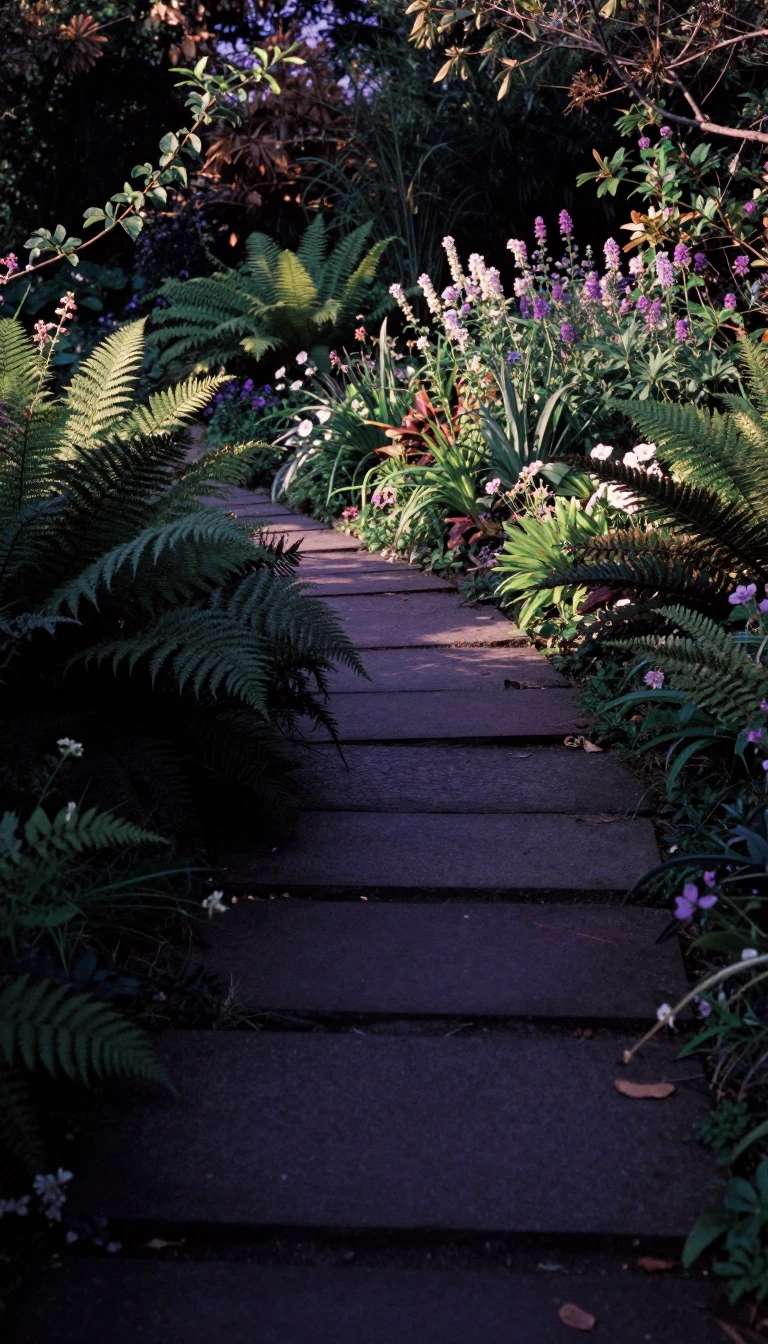
In short: Modern garden design has evolved into a sophisticated blend of art and ecology. Whether you are planning a small urban space or a sprawling landscape, success relies on understanding your soil, climate, and sustainability goals. Discover how to transform your outdoor area into a resilient, thriving, and intentional sanctuary.
Garden design is the deliberate process of planning the layout and planting of outdoor spaces. While traditionally focused on aesthetics, modern approaches increasingly emphasize sustainability and climate resilience. Tools like the RHS Green Garden Calculator allow enthusiasts to assess their environmental impact, providing personalized guidance to create spaces that support wildlife and thrive in changing conditions. This shift reflects a broader movement toward low-carbon gardening, where material selection and planting choices are made with the planet in mind.
The foundation of any successful design lies in the interplay between hardscape—such as paths, walls, and water features—and softscape, which encompasses the plants themselves. Designers must account for horticultural requirements, including soil quality, growth habits, and maintenance needs. For instance, selecting plants that suit your specific soil type is critical; while some gardeners amend soil with compost or manure to boost fertility, others recognize that certain species actually prefer impoverished conditions. Balancing these biological realities with personal style, whether Mediterranean, formal, or contemporary, is the hallmark of effective planning.
Beyond the plants, the structural elements of a garden define its character and utility. Boundaries, such as hedges, walls, and fences, are not merely functional barriers; they create microclimates, provide privacy, and can even introduce an element of surprise. Designers often use textures and materials—from gravel and wood chips to stone—to create visual patterns and manage foot traffic. By integrating these practical considerations with a clear vision, one can create a space that is both a personal retreat and a functional extension of the home, as seen in architectural renderings like Hugh Mackie Gordon Garden’s 1947 suburban house design.
Opens the Intellect+ feed with this card first. Swipe up for the next one.
Sources
- Summary by Intellect · source: Garden design / RHS Gardening / RHS Gardening
- Also: Garden design
- Also: Suburban House with Parabolic Roof, Perspective Rendering
To cite this card, link to https://intellectplus.co.uk/app/art-garden-design.
How we source, check and correct cards: Editorial standards.
General information, not professional advice. Spotted an error? Flag the card or see corrections and complaints.
Intellect Plus is a visual educational discovery platform for exploring fascinating facts and ideas. Brain Food, Not Brain Rot. What is Intellect Plus?
Related
More in Visual arts · More in Art · Latest · A–Z · All topics
