Why painters turned away from kings and gods to capture the ordinary world
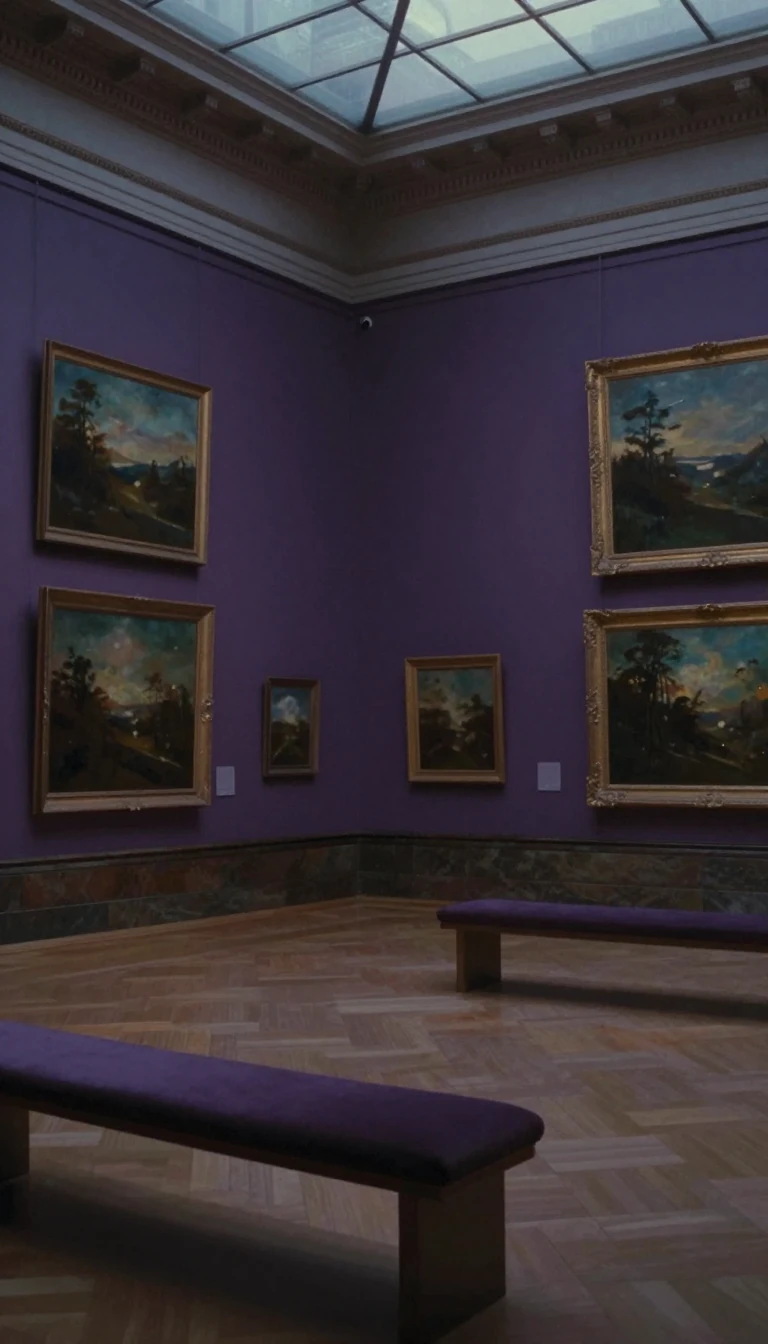
In short: Genre painting elevates the mundane, transforming everyday activities into art. By focusing on common people in domestic or rural settings rather than historical or religious figures, these artists created a mirror for the middle class. Yet, beneath these realistic surfaces often lie complex moral lessons and hidden symbolic meanings.
Genre painting is defined by its focus on ordinary life, depicting people at work or play in a realistic manner. Unlike history painting, portraiture, or religious art, which often served the interests of royal courts or the church, genre art centers on the everyday. This shift allowed artists to move away from traditionally idealized subjects, capturing the textures of daily existence instead of the grand narratives of the past.
The Low Countries became a central hub for this style, particularly during the 17th century. Artists like Jan Steen and Johannes Vermeer specialized in these scenes, creating works that resonated with middle-class purchasers. While these paintings appear to be simple, naturalistic observations, they frequently contain layered meanings. For instance, Jan Steen’s 1668 work, The Happy Family, uses a domestic scene to illustrate the moral that children mirror their parents' behavior. Similarly, Gabriel Metsu’s 1662 painting, The Poultry Seller, uses suggestive imagery to convey a double meaning regarding human relationships.
By the 19th century, artists like Lilly Martin Spencer brought these themes to the United States. Spencer, a prominent mid-19th-century artist, used her own family as models to depict the emotional bonds of urban, middle-class life. Her work, such as the 1857 painting This Little Pig Went to Market, highlights the intimate connection between a mother and child. Like many of her contemporaries, Spencer navigated the demands of the commercial art market, working to secure financial stability through her popular portrayals of domesticity.
The evolution of genre painting reflects a broader transition in the role of the artist. As patronage from states and guilds declined, painters increasingly relied on public exhibitions and the commercial marketplace. This shift granted artists greater freedom to experiment with visual language, though it also required them to appeal to a broader audience. Whether through the moralizing scenes of the 17th century or the sentimental domesticity of the 19th, genre painting remains a vital way to interpret the human experience.
Opens the Intellect+ feed with this card first. Swipe up for the next one.
Sources
- Summary by Intellect · source: Genre painting | Rural Scenes, Everyday Life, Domestic Interiors | Britannica
- Also: Genre painting
- Also: This Little Pig Went to Market
To cite this card, link to https://intellectplus.co.uk/app/art-genre-painting.
How we source, check and correct cards: Editorial standards.
General information, not professional advice. Spotted an error? Flag the card or see corrections and complaints.
Intellect Plus is a visual educational discovery platform for exploring fascinating facts and ideas. Brain Food, Not Brain Rot. What is Intellect Plus?
Related
More in Visual arts · More in Art · Latest · A–Z · All topics
