Giambologna: The Flemish master who defined the aesthetic of the Italian Renaissance
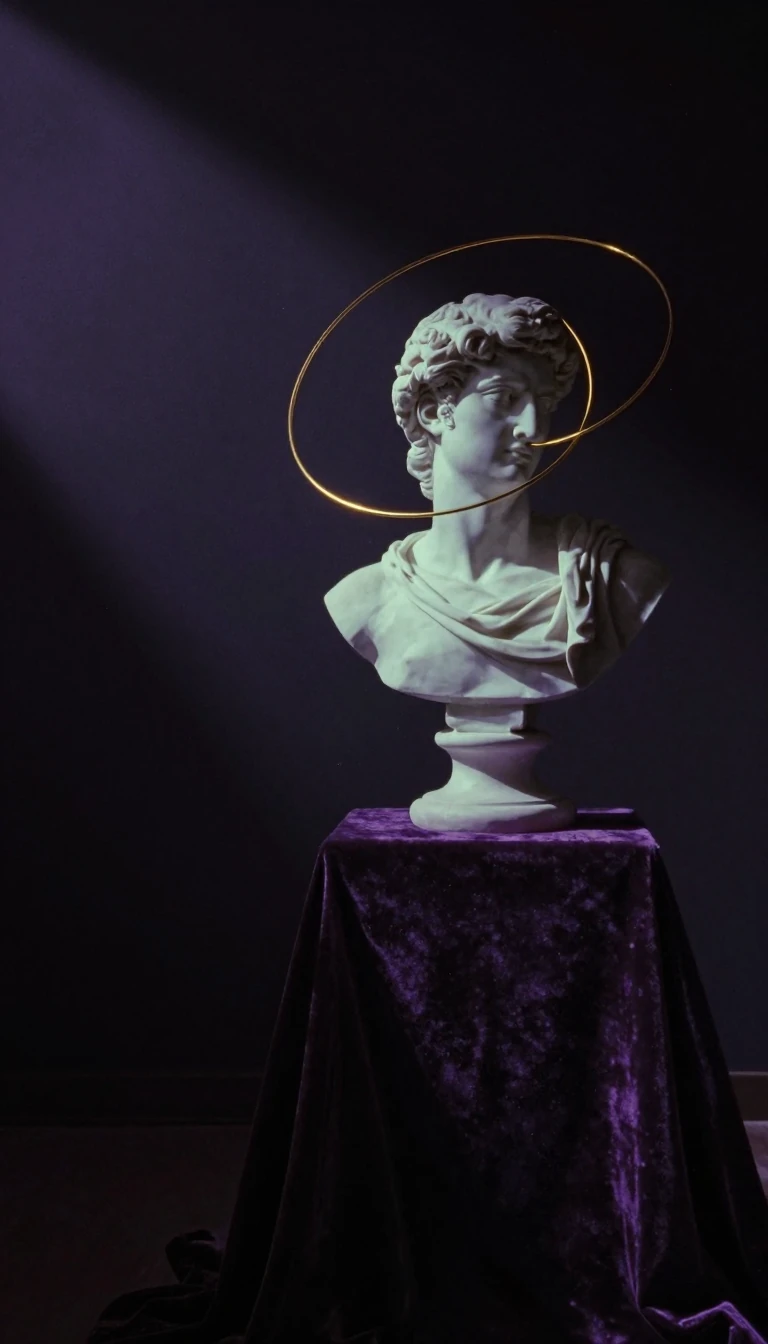
In short: Born in Flanders, Giambologna became the final titan of Italian Renaissance sculpture. By mastering the representation of movement and refined surface elegance, he transformed violent subjects into graceful ballets. Held captive by the Medici in Florence, his influence rippled across Europe for generations, shaping the work of masters like Bernini.
Born in 1529 in Douai, Flanders, Giambologna—also known as Jean de Boulogne—moved to Italy in 1550. After studying classical antiquity in Rome and absorbing the influence of Michelangelo, he settled in Florence in 1553. There, he became a pivotal figure under the patronage of the Medici, who were so protective of his talent that they prevented him from leaving the city, fearing he would be poached by the Habsburgs. In 1563, he joined the prestigious Accademia delle Arti del Disegno, cementing his status as a premier court sculptor.
Giambologna’s work is defined by a sophisticated Mannerist style that favored cool elegance and refined surfaces over raw emotion. He possessed a remarkable ability to capture action, most famously in his Mercury in Flight, where the god balances precariously on a single foot. His marble masterpiece, the Abduction of a Sabine Woman, is a technical marvel carved from a single block of stone. Interestingly, the sculpture was created without a specific subject in mind; the title was only applied after it was installed in Florence’s Loggia dei Lanzi.
Beyond his large-scale public commissions, such as the bronze Neptune for Bologna and various equestrian statues, Giambologna was a master of the small-scale bronze. These reductions were highly prized by connoisseurs and helped spread his aesthetic across Northern Europe and Italy. His workshop, later led by Pietro Tacca, served as a training ground for influential sculptors like Adriaen de Vries and Pietro Francavilla. His legacy endured through his students, directly impacting the development of Baroque masters including Gian Lorenzo Bernini and Alessandro Algardi.
His influence was not merely stylistic but also political. Many of his works, such as Florence Triumphant over Pisa, served as overt propaganda for the Medici family. Even his violent compositions, like Samson Slaying a Philistine, were designed to be viewed from every angle, showcasing a mastery of form that transformed intense struggle into a balanced, rhythmic composition. His canon of female proportions, established through his depictions of Venus, remained a reference model for sculptors for two generations.
Opens the Intellect+ feed with this card first. Swipe up for the next one.
Sources
- Summary by Intellect · source: Giambologna
To cite this card, link to https://intellectplus.co.uk/app/art-giambologna.
How we source, check and correct cards: Editorial standards.
General information, not professional advice. Spotted an error? Flag the card or see corrections and complaints.
Intellect Plus is a visual educational discovery platform for exploring fascinating facts and ideas. Brain Food, Not Brain Rot. What is Intellect Plus?
Related
More in Visual artists · More in Art · Latest · A–Z · All topics
