Why did a pioneer of avant-garde mystery eventually disown his own revolutionary art?
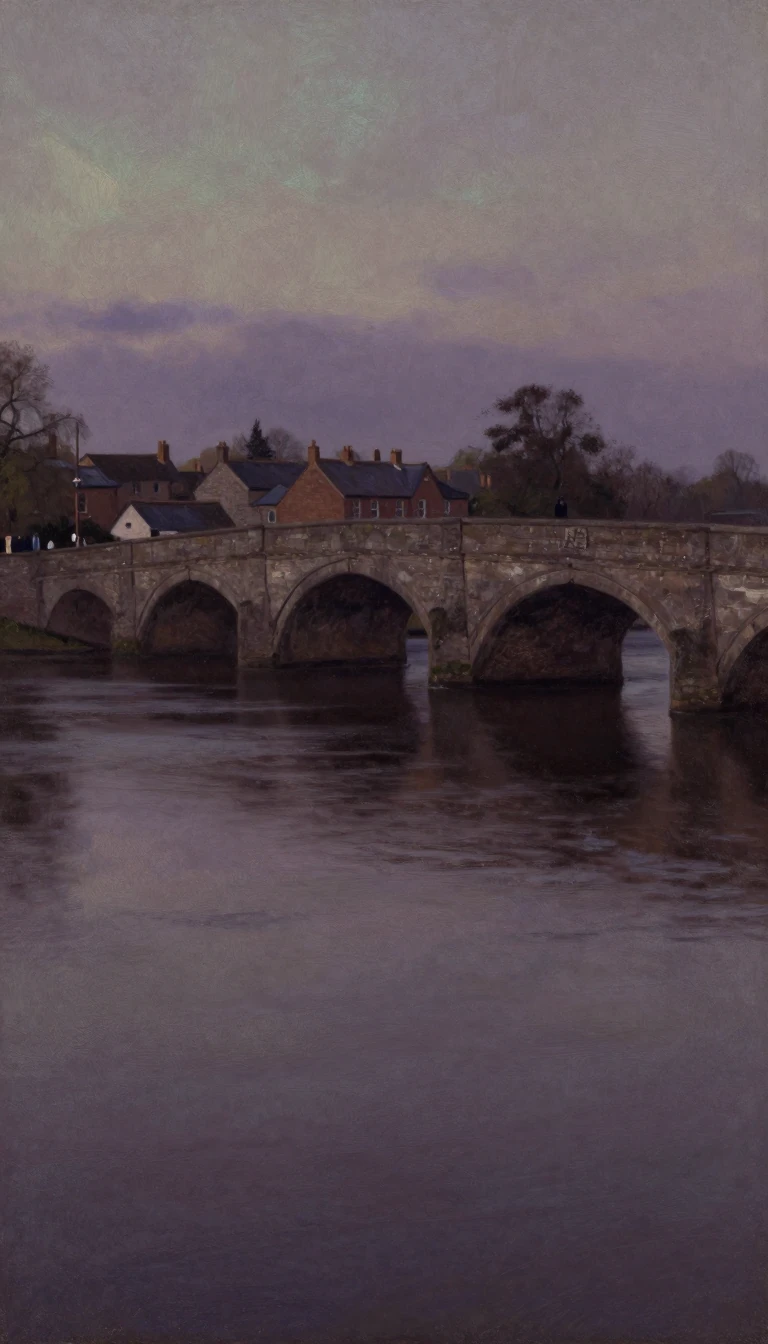
In short: Giorgio de Chirico defined the metaphysical movement with haunting, deserted piazzas and illogical shadows. Yet, after 1919, he abruptly pivoted toward traditional classical techniques. He became a vocal critic of modernism, eventually rejecting the very avant-garde masterpieces that had once profoundly influenced the Surrealists and established his early fame.
Born in Greece in 1888, Giorgio de Chirico spent his formative years absorbing the influence of German painters like Arnold Böcklin and the philosophical writings of Friedrich Nietzsche. By 1910, while living in Florence, he began his 'Metaphysical Town Square' series. These works, such as The Enigma of an Autumn Afternoon, utilized stark, brooding light and irrational, elongated shadows to transform ordinary Mediterranean cityscapes into scenes of profound, enigmatic unease.
During his time in Paris starting in 1911, de Chirico’s work—featuring arcades, mannequins, and incongruous objects like biscuits or trains—gained the admiration of figures like Pablo Picasso and Guillaume Apollinaire. In 1917, while stationed at a military hospital in Ferrara, he formally developed the style of Metaphysical painting alongside Carlo Carrà. This period was defined by a deliberate, matter-of-fact precision that rendered the bizarre and the mythological with a cold, unsettling clarity that would later serve as a foundational inspiration for the Surrealist movement of the 1920s.
The artist’s trajectory shifted dramatically in 1919. In an article titled The Return of Craftsmanship, de Chirico advocated for a revival of traditional iconography and technical methods, drawing inspiration from masters like Raphael. This pivot led him to adopt a neoclassical style, exemplified by works like the 1927 painting The Eventuality of Destiny. By the 1930s, he had become an outspoken opponent of modern art, going so far as to disclaim the very metaphysical works that had once defined his legacy and captivated the art world.
Opens the Intellect+ feed with this card first. Swipe up for the next one.
Sources
- Summary by Intellect · source: Giorgio de Chirico | Surrealism, Metaphysical Art, Metaphysical Paintings | Britannica
- Also: Giorgio de Chirico
To cite this card, link to https://intellectplus.co.uk/app/art-giorgio-de-chirico.
How we source, check and correct cards: Editorial standards.
General information, not professional advice. Spotted an error? Flag the card or see corrections and complaints.
Intellect Plus is a visual educational discovery platform for exploring fascinating facts and ideas. Brain Food, Not Brain Rot. What is Intellect Plus?
Related
More in Visual artists · More in Art · Latest · A–Z · All topics
