How a 17th-century calligrapher defined the visual language of Ottoman devotion
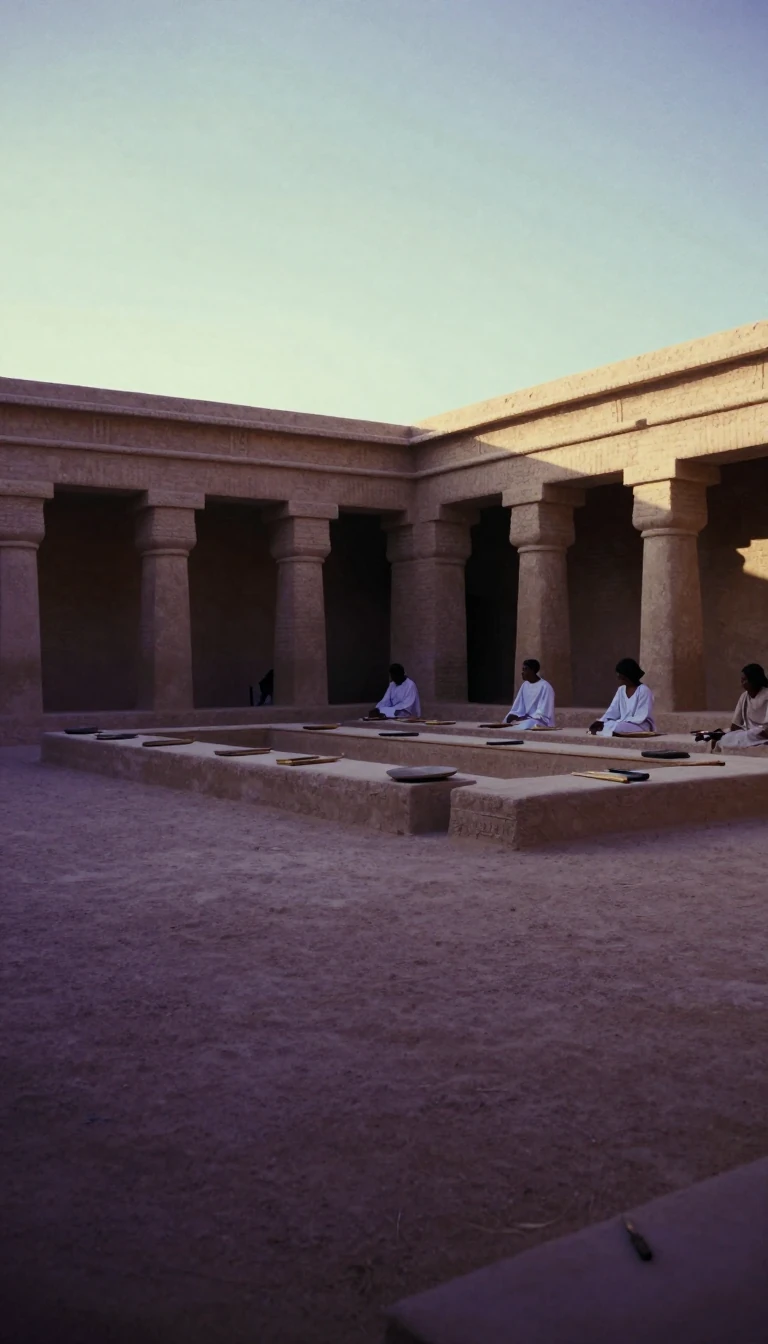
In short: Hâfiz Osman was more than a scribe; he was a master architect of the page. By reviving forgotten scripts and inventing the classical hilye layout, he transformed how the Prophet Muhammad was depicted in art, creating a standard for beauty and contemplation that defined the Ottoman world for generations.
Born in 1642 in Istanbul, Hâfiz Osman rose from his origins as the son of a mosque muezzin to become the most esteemed calligrapher of his era. His mastery was such that he served as a tutor to three successive sultans: Ahmed II, Mustafa II, and Ahmed III. Legend suggests that the sultan Mustafa II held such high regard for his talent that he would personally hold the artist's inkwell while Osman worked.
Osman’s technical brilliance lay in his ability to purify and revive six traditional scripts that had fallen into disuse. By studying and copying the works of the 15th-century master Şeyh Hamdullah, Osman developed a refined style that eventually superseded his predecessor's. His influence was cemented through his teaching, where he split his time between instructing the poor on Sundays and the wealthy on Wednesdays, training a generation of calligraphers including his finest student, Yedikuleli Seyyid 'Abdullah Efendi.
His most enduring contribution is the hilye, a formal calligraphic panel describing the Prophet Muhammad’s physical attributes. Because Islamic tradition strictly prohibits figurative depictions of the Prophet, Osman designed a template that used text to evoke his presence. This masterpiece consists of eight distinct elements—including the belly, crescent, and frame—arranged to facilitate deep, contemplative reflection. By standardizing this layout, Osman provided a visual anchor for devotion that functioned much like religious paintings in other cultures, leaving the Prophet's exact appearance to the viewer's imagination.
Today, his legacy persists through his surviving works, including highly sought-after copies of the Koran housed in the Topkapi Palace Museum Library and the Nasser D. Khalili Collection. His work remains a testament to the power of layout and script to shape religious experience, proving that even within strict artistic constraints, a master can create a profound and lasting aesthetic language.
Opens the Intellect+ feed with this card first. Swipe up for the next one.
Sources
- Summary by Intellect · source: Hâfiz Osman
To cite this card, link to https://intellectplus.co.uk/app/art-h-fiz-osman.
How we source, check and correct cards: Editorial standards.
General information, not professional advice. Spotted an error? Flag the card or see corrections and complaints.
Intellect Plus is a visual educational discovery platform for exploring fascinating facts and ideas. Brain Food, Not Brain Rot. What is Intellect Plus?
Related
More in Visual artists · More in Art · Latest · A–Z · All topics
