Nakkaş Osman: The Master Who Brought Human Emotion to Ottoman Miniature Painting
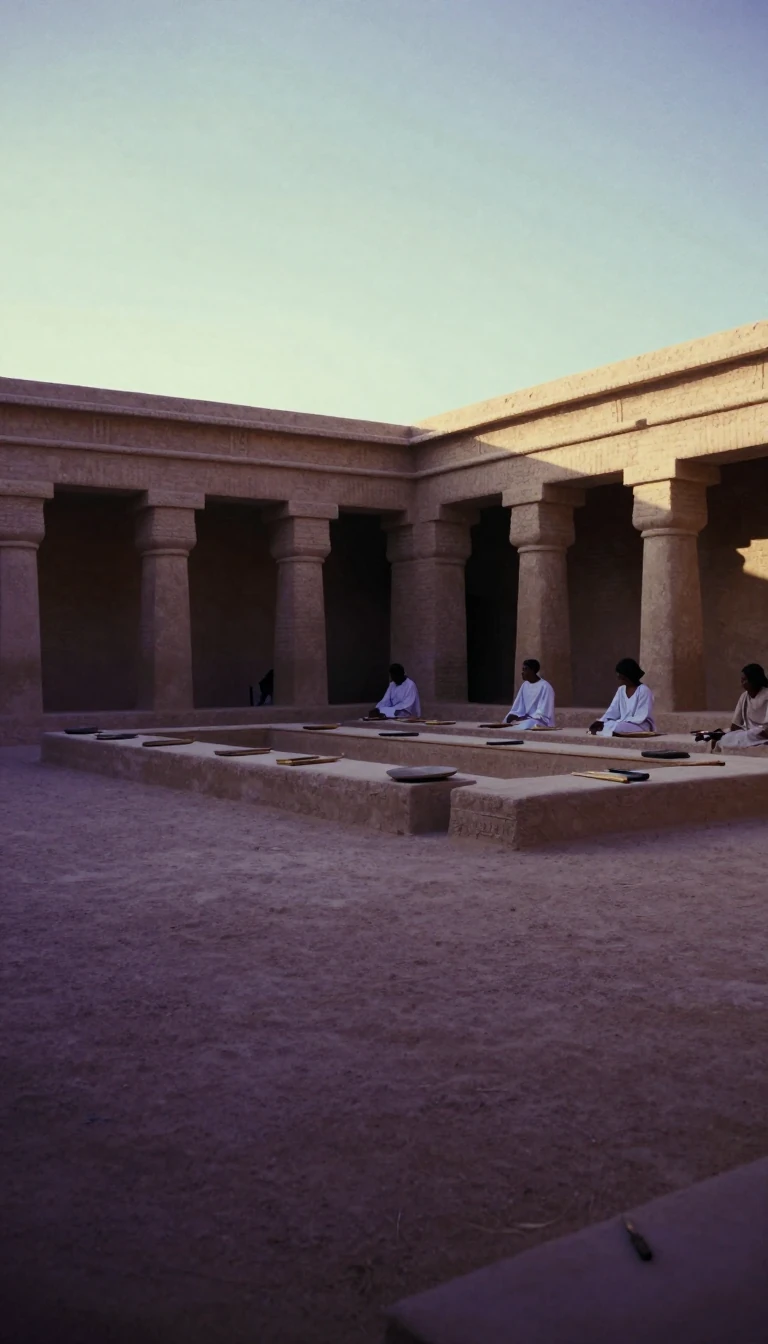
In short: As the chief miniaturist for the Ottoman Empire in the late sixteenth century, Nakkaş Osman transformed court art. While his predecessors favored detached, static figures, Osman introduced a raw, perceptive realism. His work captured grief and shock, forever altering the trajectory of Ottoman visual storytelling before the Western influence took hold.
Nakkaş Osman, often referred to as Osman the Miniaturist, served as the primary illustrator for the Ottoman Empire during the latter half of the sixteenth century. While the precise dates of his life remain elusive, his most significant contributions are concentrated in the final quarter of that century. He became the lead artist for official histories commissioned by Seyyid Lokman for Murad III, producing seminal works such as the Zafername, the Semailname, and the Şehinşahname.
Osman’s artistic signature was defined by a style described as plain yet deeply perceptive. Unlike earlier court artists who rendered scenes with distant, unmoving figures, Osman prioritized emotional depth. A striking example is his depiction of the Persian epic Shahnama; while traditional versions of the tale of Rostam and Sohrab featured detached onlookers, Osman’s version captures the groom in a state of visible collapse, overwhelmed by grief and shock as he witnesses the tragic killing. This shift toward realistic expression marked a departure from the rigid conventions of the era.
His influence was profound, shaping the techniques of the subsequent generation of Ottoman court painters. Beyond his historical impact, Osman remains a cultural touchstone, notably appearing as a central figure in Orhan Pamuk’s novel My Name Is Red. In the fictional narrative, Osman blinds himself with a needle to emulate the legendary miniaturist Bihzad, an act that symbolizes the end of the traditional Ottoman miniature style as the empire began to pivot toward Western artistic influences. His legacy persists not just in the official histories he illustrated, but as a pivotal bridge between the classical traditions of the East and the evolving visual languages of the early modern world.
Opens the Intellect+ feed with this card first. Swipe up for the next one.
Sources
- Summary by Intellect · source: Nakkaş Osman
To cite this card, link to https://intellectplus.co.uk/app/art-nakka-osman.
How we source, check and correct cards: Editorial standards.
General information, not professional advice. Spotted an error? Flag the card or see corrections and complaints.
Intellect Plus is a visual educational discovery platform for exploring fascinating facts and ideas. Brain Food, Not Brain Rot. What is Intellect Plus?
Related
More in Visual artists · More in Art · Latest · A–Z · All topics
