How a Low-Budget Horror Film Became a Cultural Landmark of American Suburbia
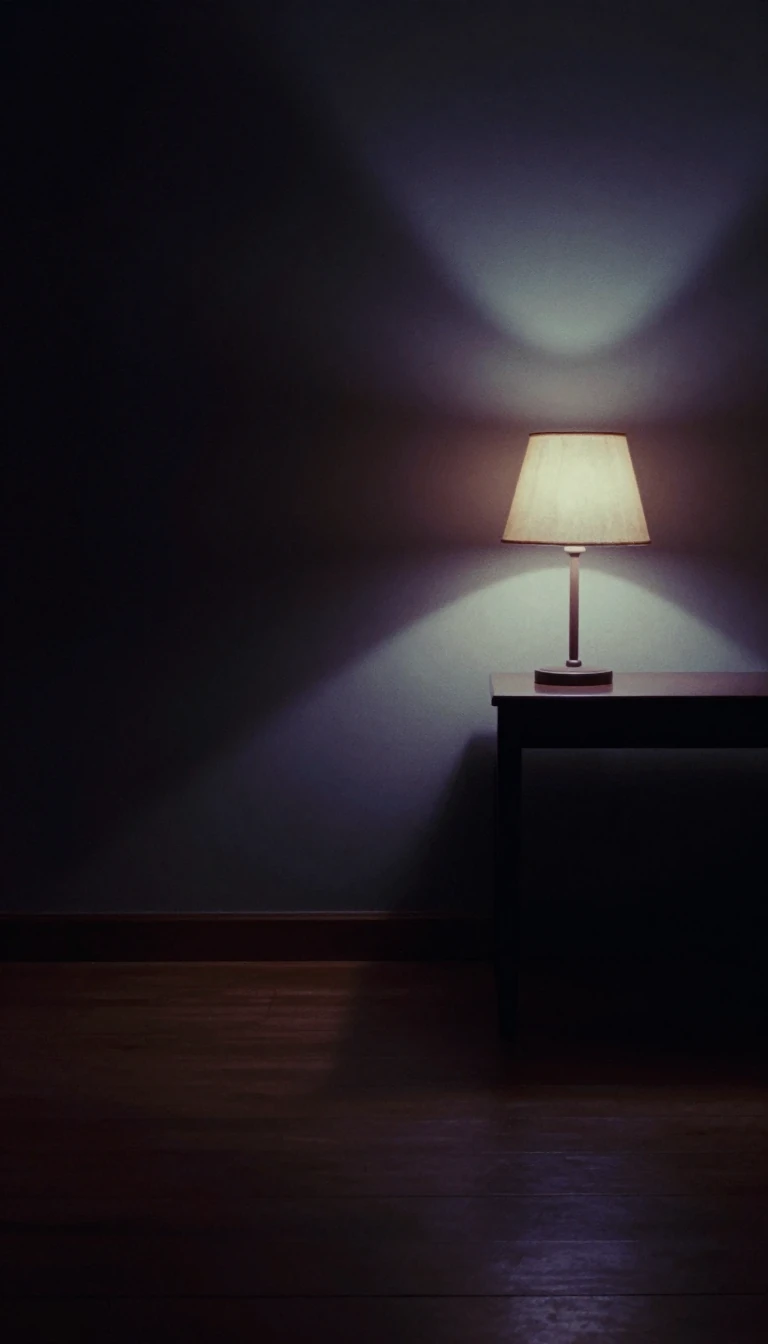
In short: John Carpenter’s 1978 slasher Halloween redefined horror by turning a modest $300,000 budget into one of the most profitable independent films in history. Beyond the scares, it introduced the iconic final girl archetype and a lingering, motiveless evil that continues to haunt the American suburban imagination decades later.
Released in October 1978, Halloween was the product of a collaborative vision between director John Carpenter and producer Debra Hill. Filmed in Southern California on a shoestring budget, the production relied on creative ingenuity rather than expensive spectacle. Carpenter, who also composed the film's iconic score, sought to create a haunted house experience that tapped into the fears of small-town life. The film follows Michael Myers, an escaped mental patient who returns to his hometown of Haddonfield, Illinois, to stalk teenagers. While critics and scholars have long debated whether the film serves as a moral commentary on teenage sexuality, Carpenter and Hill consistently maintained that such interpretations were unintentional, viewing the characters simply as normal teenagers.
The film’s legacy is anchored in its technical mastery and its influence on the slasher genre. Carpenter’s use of the Steadicam and first-person point-of-view shots forced audiences to inhabit the killer’s perspective, creating an immersive, unsettling experience. Scholars like Carol J. Clover have identified the film as the origin of the final girl, a trope where a female protagonist survives by fighting back, marking a departure from earlier horror films where women were passive victims. Despite the presence of a male hero in Dr. Samuel Loomis, played by veteran actor Donald Pleasence, it is the final girl who ultimately wounds the antagonist, challenging traditional gender roles in cinema.
Beyond its technical achievements, Halloween functions as a critique of the suburban dream. By setting the terror in a quiet, affluent town, the film suggests that the safety parents attempt to build for their children is an illusion. Michael Myers is presented not merely as a man, but as a force of pure, unremitting evil that cannot be killed. This ambiguity—the idea that evil is a permanent, roaming presence—is what Carpenter intended to leave the audience with. Selected for the National Film Registry in 2006, the film remains a touchstone of American culture, proving that a simple, well-executed concept can resonate far beyond its initial release.
Opens the Intellect+ feed with this card first. Swipe up for the next one.
Sources
- Summary by Intellect · source: Halloween (1978 film)
- Also: Art Institute of Chicago — Halloween · CC0 (data); description CC BY 4.0
To cite this card, link to https://intellectplus.co.uk/app/art-halloween-1978-film.
How we source, check and correct cards: Editorial standards.
General information, not professional advice. Spotted an error? Flag the card or see corrections and complaints.
Intellect Plus is a visual educational discovery platform for exploring fascinating facts and ideas. Brain Food, Not Brain Rot. What is Intellect Plus?
Related
More in Film and television · More in Art · Latest · A–Z · All topics
