Was the High Renaissance a brief, golden explosion or an academic oversimplification?
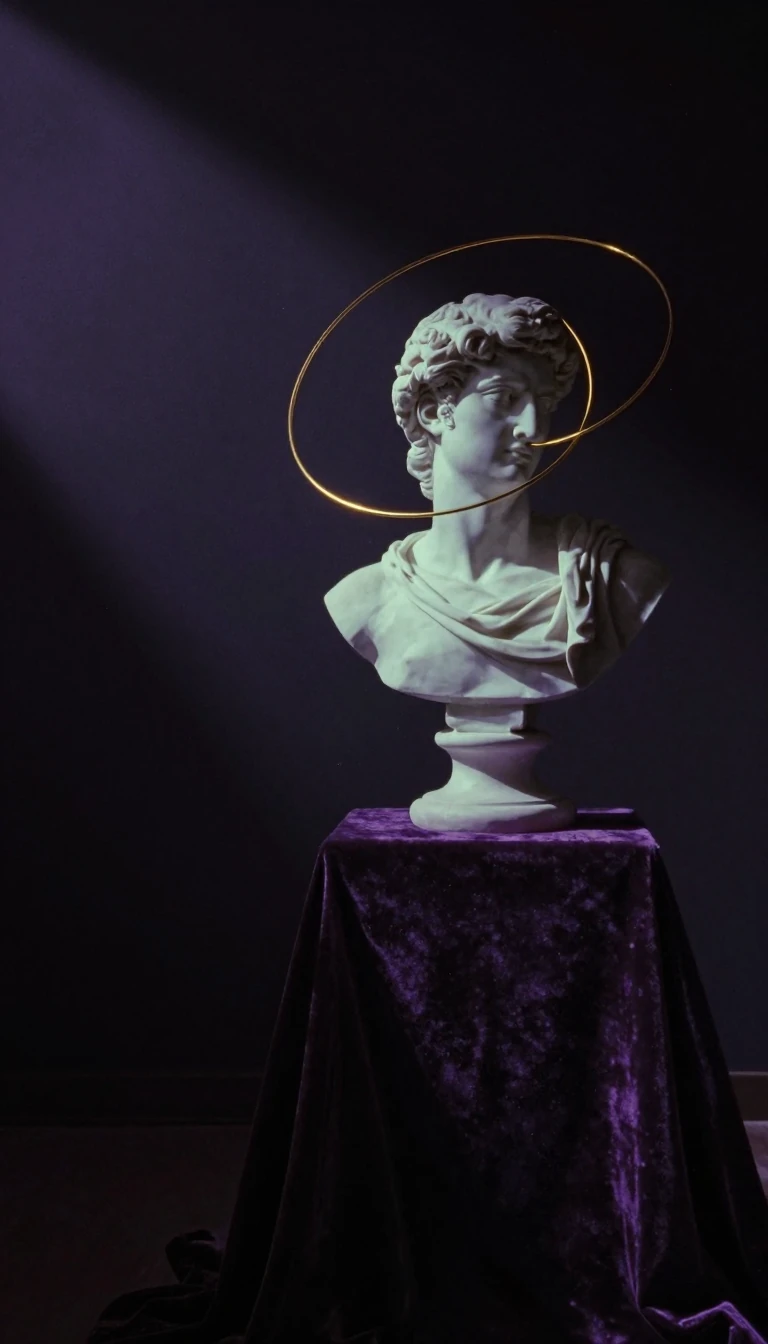
In short: Spanning roughly 1490 to 1527, the High Renaissance represents a pinnacle of Western art, defined by the mastery of Leonardo, Michelangelo, and Raphael. Yet, modern historians increasingly debate whether this label captures a genuine historical era or merely simplifies a complex, evolving landscape of artistic and architectural achievement.
The High Renaissance is traditionally viewed as the absolute zenith of Western art, characterized by a harmonious balance of contradictory elements: movement and rest, real and ideal, and line and color. Centered primarily in Rome and Florence, this period saw the rise of iconic figures whose work sought to reconcile Christian and humanist ideals. Leonardo da Vinci, Michelangelo, and Raphael are the era's primary pillars, with Donato Bramante leading a parallel revolution in architecture that revived ancient Roman forms, most notably through his Tempietto, begun in 1510.
The chronological boundaries of the period remain highly contested. While some scholars point to the early 1490s as the start, others argue for dates as late as 1505. Similarly, the end is variously dated to 1520—the year of Raphael’s death—or 1527, when the Sack of Rome by imperial troops dispersed the city’s artistic community. Some historians even extend the timeline to 1530 or 1532, marking the transition into the more stylized, complex period known as Mannerism.
The term itself is a retrospective construct. It was first coined in German as 'Hochrenaissance' by Jacob Burckhardt in 1855, drawing upon Johann Joachim Winckelmann’s 1764 descriptions of a 'High Style.' In the 21st century, this classification has faced significant academic criticism. Critics argue that the label oversimplifies artistic development by focusing exclusively on a few iconic projects while ignoring the broader historical context and the reality that many of these spectacular, ambitious works were left unfinished or completed by others.
Ultimately, the High Renaissance serves as a lens through which we view a specific, intense burst of creative genius. Whether it was a distinct, unified movement or a convenient narrative frame, its legacy remains anchored in the technical mastery of perspective, light, and psychological depth that defined the early 16th century.
Opens the Intellect+ feed with this card first. Swipe up for the next one.
Sources
- Summary by Intellect · source: High Renaissance | European history | Britannica
- Also: High Renaissance
To cite this card, link to https://intellectplus.co.uk/app/art-high-renaissance.
How we source, check and correct cards: Editorial standards.
General information, not professional advice. Spotted an error? Flag the card or see corrections and complaints.
Intellect Plus is a visual educational discovery platform for exploring fascinating facts and ideas. Brain Food, Not Brain Rot. What is Intellect Plus?
Related
More in Visual artists · More in Art · Latest · A–Z · All topics
