Why history painting was once considered the highest form of Western art
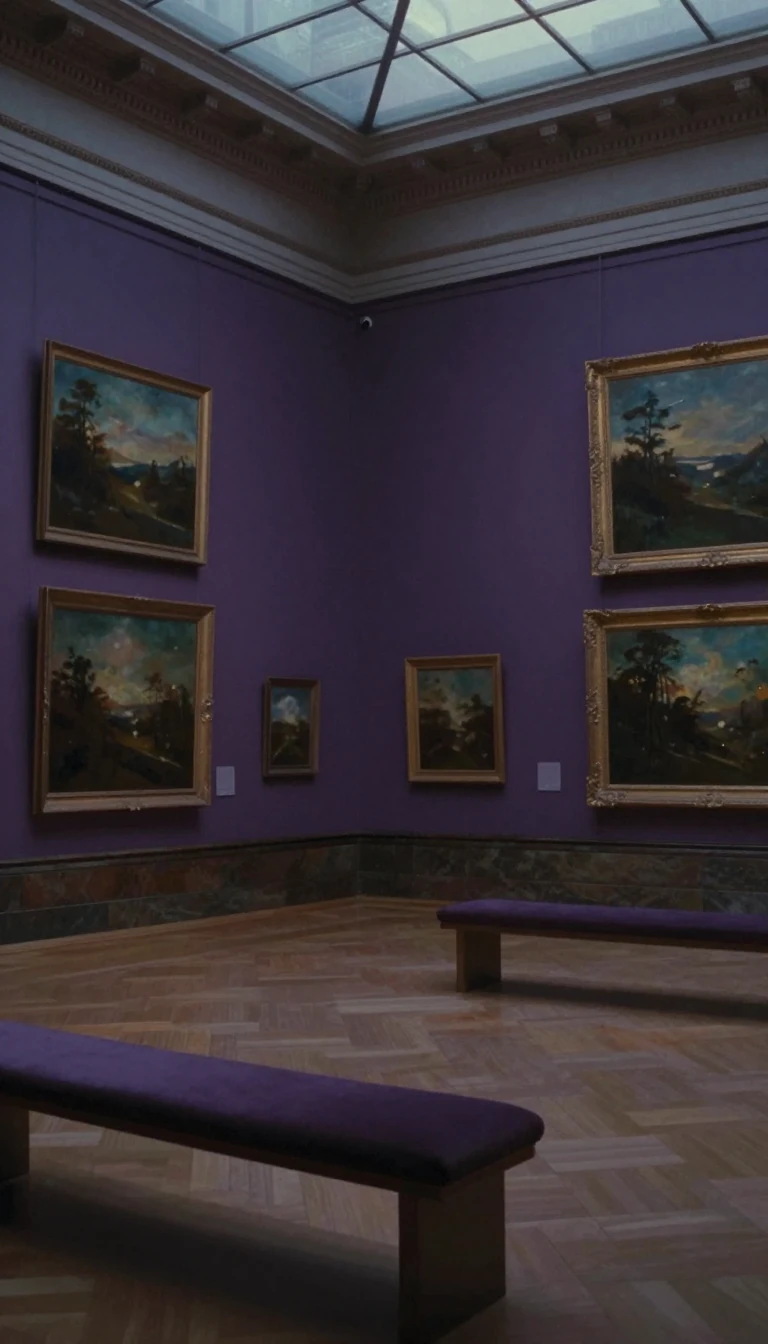
In short: For centuries, history painting reigned as the pinnacle of artistic achievement. Defined not by style but by narrative, these complex, multi-figure works were seen as the visual equivalent of epic literature. Yet, by the late 19th century, avant-garde movements explicitly rejected this prestigious genre, forever changing the trajectory of modern art.
History painting is defined by its subject matter rather than a specific period or style. Derived from the Latin and French terms for 'story' or 'narrative,' the genre depicts a moment in a story—typically drawn from Greek and Roman mythology, the Bible, or allegorical scenes. Unlike portraiture or still life, which focus on static subjects, history painting requires the mastery of multiple figures, complex gestures, and expressive interactions to move the viewer.
In 1436, Leon Battista Alberti argued in his treatise De Pictura that history painting was the noblest form of art because it was the most difficult to execute. This hierarchy was solidified in 1667 by André Félibien, who asserted that a painter who could represent human figures in great actions was far superior to those who merely painted landscapes, animals, or still lifes. For centuries, artists strove to build their reputations through these ambitious, large-scale works, often at the expense of genres better suited to their natural talents.
The 19th century brought a shift as the genre struggled against emerging academic institutions and changing audience demands. While artists like Benjamin West challenged conventions by depicting contemporary figures in modern dress rather than classical costume, the rise of nationalism and new historical research transformed the genre. By the late 19th century, however, avant-garde movements like the Impressionists and Symbolists largely rejected history painting. Modernism, as one scholar noted, was built to a significant extent upon the exclusion of this once-dominant form, marking the end of its reign as the ultimate standard of artistic excellence.
Opens the Intellect+ feed with this card first. Swipe up for the next one.
Sources
- Summary by Intellect · source: History painting
To cite this card, link to https://intellectplus.co.uk/app/art-history-painting.
How we source, check and correct cards: Editorial standards.
General information, not professional advice. Spotted an error? Flag the card or see corrections and complaints.
Intellect Plus is a visual educational discovery platform for exploring fascinating facts and ideas. Brain Food, Not Brain Rot. What is Intellect Plus?
Related
More in Visual arts · More in Art · Latest · A–Z · All topics
