From Clay Idols to Cosmic Dances: The Evolution of Hindu Artistic Expression
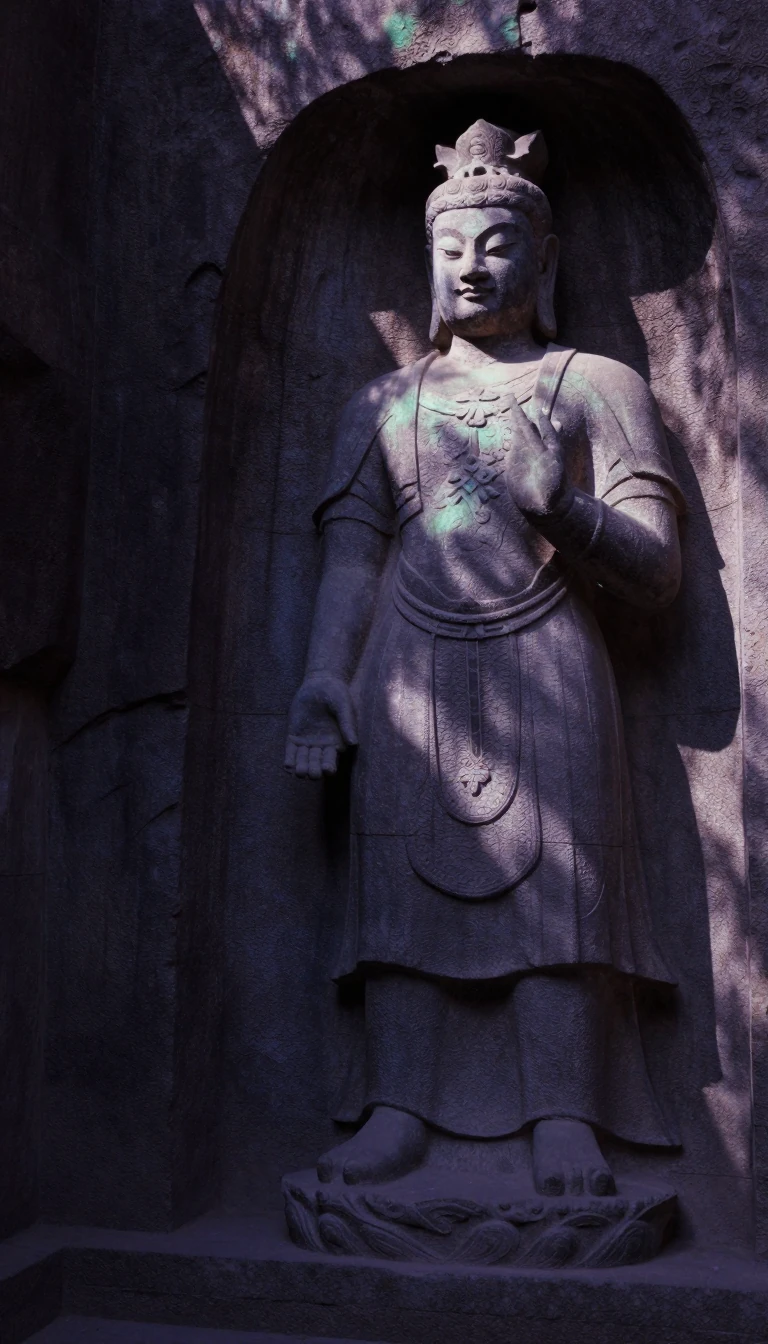
In short: Hindu art is not merely decoration; it is a profound, inseparable extension of religious life. Spanning thousands of years, it has evolved from fragile clay figures to intricate bronze masterpieces and modern lithographs. Discover how ancient iconography, sacred dance, and traditional crafts weave together to define a vast spiritual culture.
The roots of Hindu art are elusive, as the earliest representations likely utilized perishable materials like clay or wood. Indirect evidence of these lost traditions appears on punch-marked coins from the 3rd century BCE, which depict deities such as Balarama with his characteristic plough and pestle. By the 2nd century BCE, Indo-Greek rulers like Agathocles issued coinage featuring Indian deities alongside Brahmi script, suggesting that these images were modeled after earlier, now-vanished statues. This period of iconic diversification matured by 100 BCE, as seen in the intricate reliefs of Mathura.
A revolutionary shift occurred under the Kushan Empire, between the 1st and 3rd centuries CE, when Brahmanical deities were first given standard, tangible forms. Artists in Mathura displayed immense ingenuity, codifying the iconography of major figures like Vishnu, Shiva, and Surya. During the subsequent Gupta period, specifically the 4th to 6th centuries CE, these forms became more complex. Vishnu’s iconography evolved from the earlier Vāsudeva-Krishna cult, incorporating elements like the aureole and multi-headed representations, such as the Visnu Visvarupa, which symbolizes the deity’s creative power through a multitude of emanations.
Beyond sculpture, Hindu art encompasses 64 traditional arts, ranging from music and dance to the meticulous application of jewelry and cosmetics. The Natya Shastra serves as a foundational treatise for performance arts, guiding everything from instrumental music to drama. Even everyday items, such as the sari, carry deep cultural significance, with specific draping styles signaling the wearer's social status and origin. In the modern era, this tradition continues through 'god posters'—polychrome lithographs that serve as objects of devotion in domestic spaces, allowing followers to engage in a new form of omnipraxy.
The Chola period, spanning the 10th and 11th centuries, produced iconic bronzes like the Nataraja, or Shiva as Lord of the Dance. This masterpiece captures the cosmic rhythm of existence, with Shiva’s dance balancing the fire of destruction and the drumbeats of life. Such icons were not merely static objects; they were central to religious life, carried in processions to connect the divine with the daily experience of the faithful.
Opens the Intellect+ feed with this card first. Swipe up for the next one.
Sources
- Summary by Intellect · source: Hindu art
- Also: Art Institute of Chicago — Shiva as Lord of the Dance (Nataraja) · CC0 (data); description CC BY 4.0
To cite this card, link to https://intellectplus.co.uk/app/art-hindu-art.
How we source, check and correct cards: Editorial standards.
General information, not professional advice. Spotted an error? Flag the card or see corrections and complaints.
Intellect Plus is a visual educational discovery platform for exploring fascinating facts and ideas. Brain Food, Not Brain Rot. What is Intellect Plus?
Related
More in Visual arts · More in Art · Latest · A–Z · All topics
