The House of Slaves: A monument or a myth?
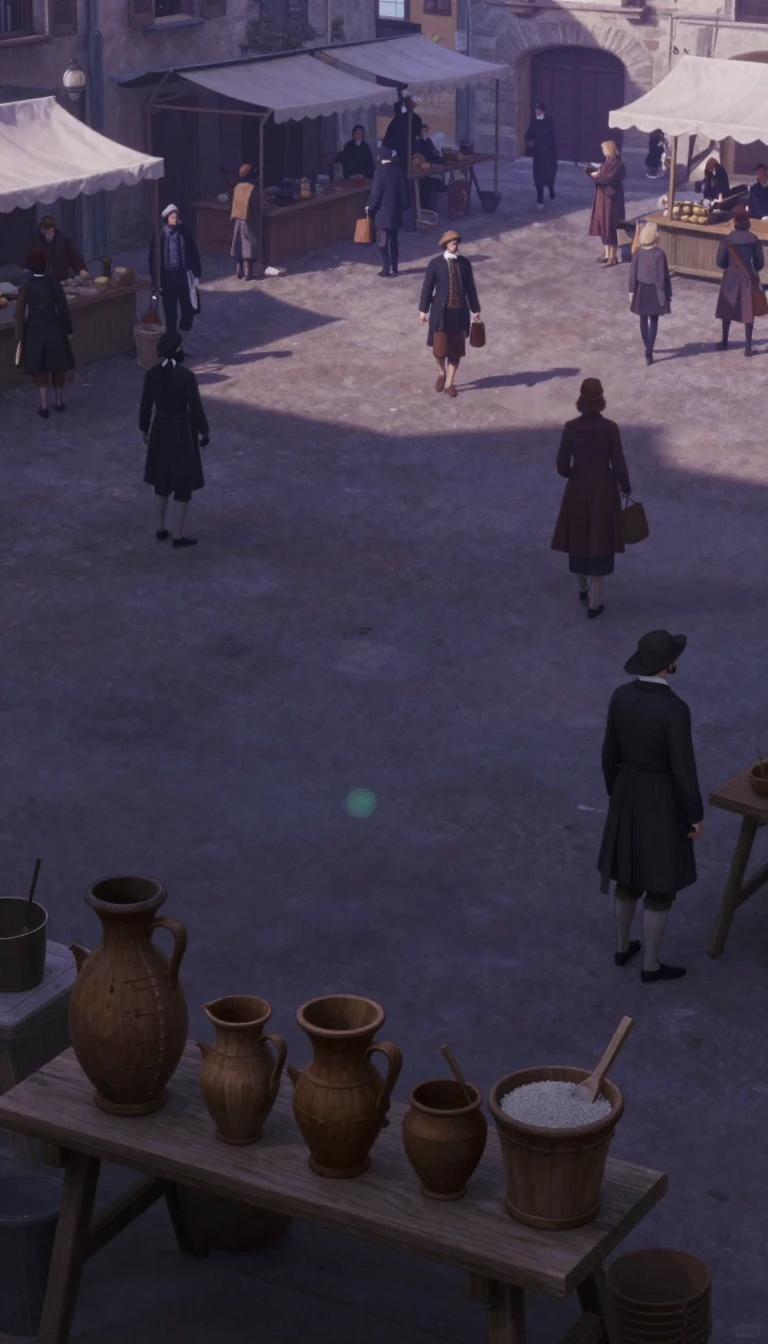
In short: On Gorée Island, a single doorway serves as a profound site of pilgrimage for millions. Yet, historians are deeply divided over whether this building was a massive transit hub or a relatively minor holding center for a much larger, more distant trade.
The Maison des Esclaves, or House of Slaves, stands 3 km off the coast of Dakar, Senegal. Built around 1776 by Nicolas Pépin, the structure was owned by the wealthy Pépin family, including the trader Anna Colas Pépin. While the building is famous for its 'Door of No Return,' its historical role is a subject of intense academic debate.
For much of the 20th century, the museum was curated by Boubacar Joseph Ndiaye, who argued the house was a vital keystone of the Atlantic slave trade. Ndiaye claimed that as many as 15 million enslaved people passed through this specific door. This interpretation has turned the site into a major destination for pilgrims, including figures like Nelson Mandela and Barack Obama, and a UNESCO World Heritage site since 1978.
However, many historians contest these scales. Some researchers suggest the actual point of departure was a fort 300m away on the beach, rather than this house. Statistical work by Philip D. Curtin in 1969 estimated that enforced transports from Gorée between 1711 and 1810 totaled about 180,000 people from French posts in Senegambia, though many were from Saint-Louis or Gambia rather than Gorée itself. Other estimates suggest only 26,000 Africans were recorded passing through the island. While the house remains a powerful, emotional memorial to the human toll of slavery, the exact scale of its role in the global trade remains contested.
The architecture of the island reflects this grim history, characterized by the stark contrast between elegant trader houses and the dark, airless cells where enslaved people were held in shackles.
Opens the Intellect+ feed with this card first. Swipe up for the next one.
Sources
- Summary by Intellect · source: House of Slaves
- Also: www.unesco.org — The House of Slaves: Island of Gorée
To cite this card, link to https://intellectplus.co.uk/app/art-house-of-slaves.
How we source, check and correct cards: Editorial standards.
General information, not professional advice. Spotted an error? Flag the card or see corrections and complaints.
Intellect Plus is a visual educational discovery platform for exploring fascinating facts and ideas. Brain Food, Not Brain Rot. What is Intellect Plus?
Related
More in Cultural venues · More in Art · Latest · A–Z · All topics
