The human brain cannot separate a skull from a face
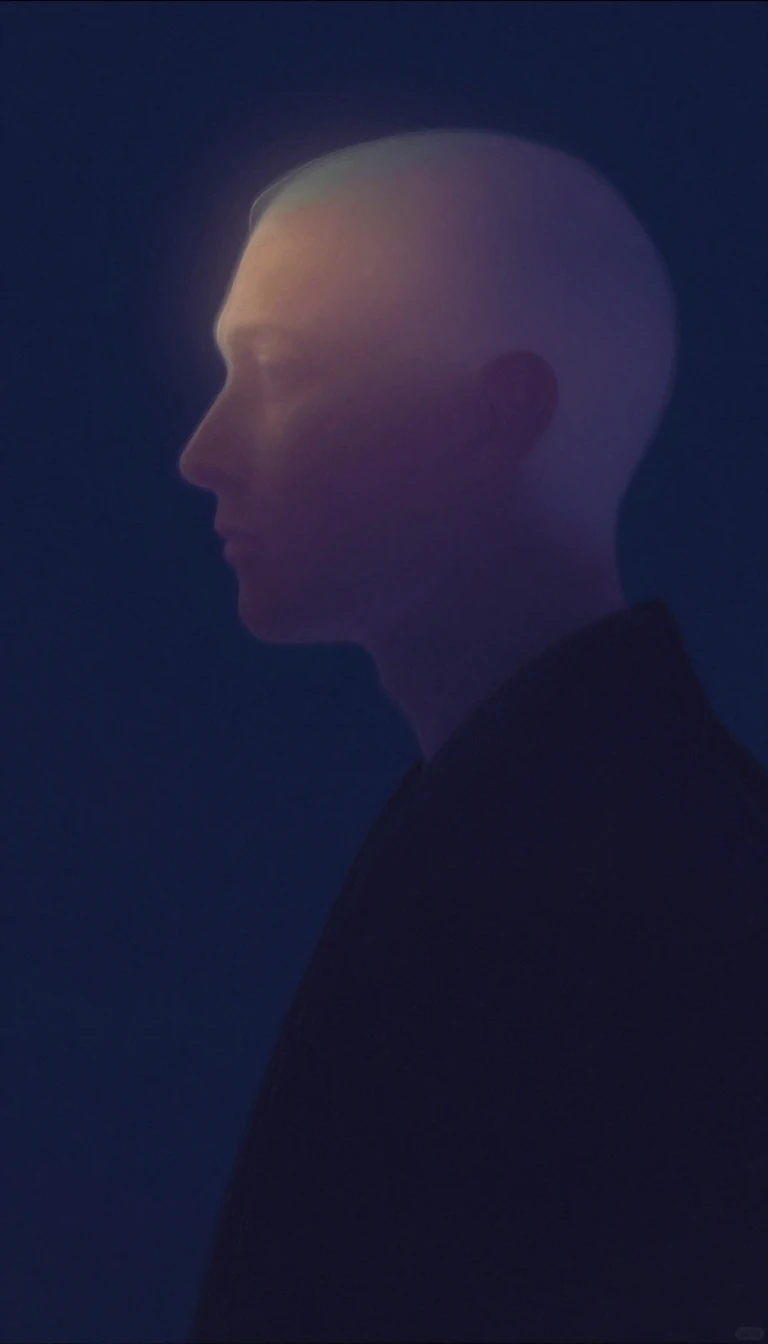
In short: Why is a human skull so visually arresting? It is a biological quirk of our neural architecture. Our brains are so specialized at detecting faces that they project human features onto bone, creating a haunting duality where the symbol of death remains inextricably linked to the image of life.
The human brain possesses a dedicated region for face recognition, making us hyper-attuned to identifying human features even in abstract forms like emoticons or mere dots. Because of this neurological wiring, the human mind is unable to fully decouple the image of a skull from the familiar structure of a face. This creates a unique symbolic tension: a skull simultaneously represents the finality of death and the lingering presence of a past life. Visually, the skull occupies a strange middle ground between the appealing and the repulsive. It displays a degree of neoteny—youthful features—that humans often find attractive, yet its large eye sockets and downward-sloping bone structure can evoke a sense of sadness. This duality has allowed the skull to serve as a versatile icon across cultures.
In some traditions, it is a warning of threat or a reminder of the vanity of earthly pleasures, while in others, it serves as a trophy of conquest or a symbol of religious devotion. Throughout history, these meanings have shifted significantly. In Elizabethan England, the 'Death's-Head' skull was a symbol of sexual adventure, often worn as a rotating ring to hide the imagery in polite company. In the 17th century, it was a central motif in 'Vanitas' paintings, intended to remind viewers that life is fleeting. Today, while its traditional religious and moral weight has diminished in popular culture, the skull remains an omnipresent decorative element in fashion and jewelry, continuing its long history of fascinating the human psyche.
Opens the Intellect+ feed with this card first. Swipe up for the next one.
Sources
- Summary by Intellect · source: Human skull symbolism
To cite this card, link to https://intellectplus.co.uk/app/art-human-skull-symbolism.
How we source, check and correct cards: Editorial standards.
General information, not professional advice. Spotted an error? Flag the card or see corrections and complaints.
Intellect Plus is a visual educational discovery platform for exploring fascinating facts and ideas. Brain Food, Not Brain Rot. What is Intellect Plus?
Related
More in Symbolism · More in Art · Latest · A–Z · All topics
