Before the flood, a king offered life advice that still echoes through history
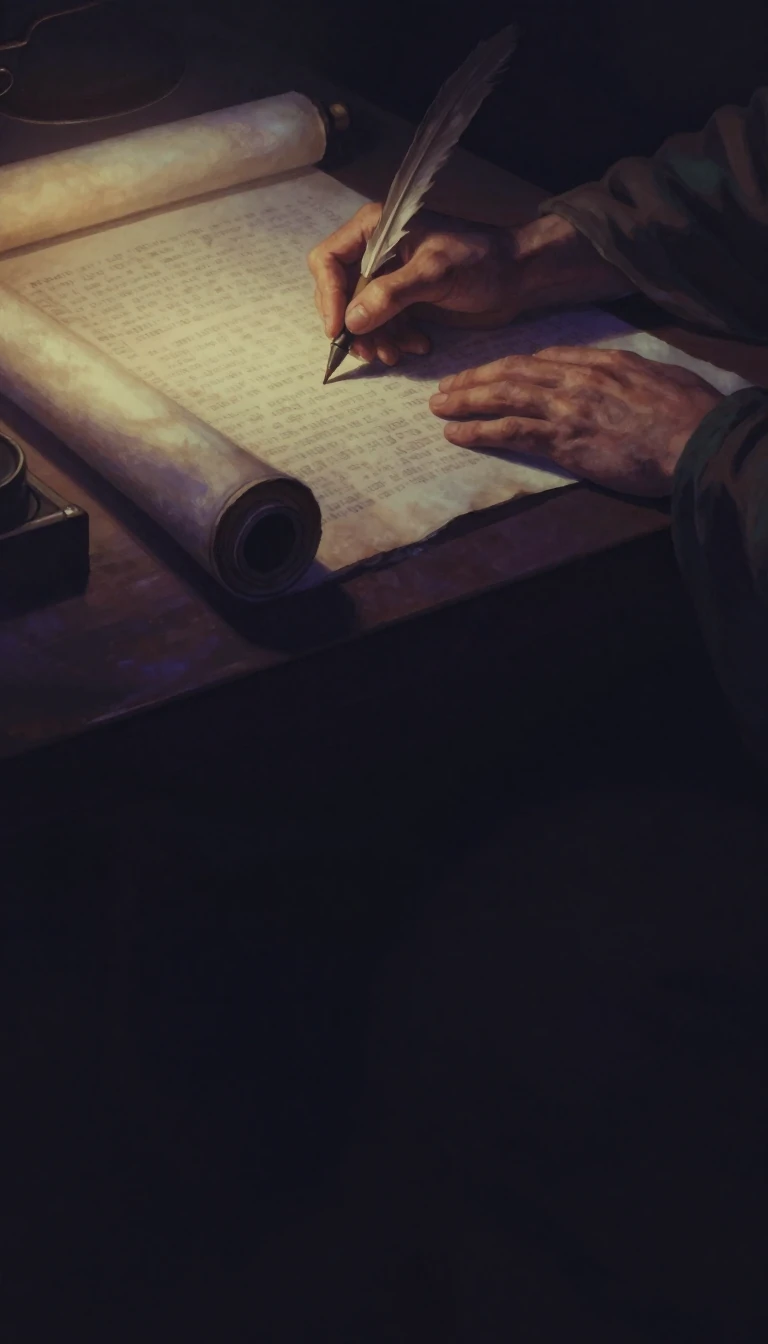
In short: Dating back to the early third millennium BCE, the Instructions of Shuruppak stand as some of the oldest literature ever discovered. Attributed to a king who lived before the great deluge, these pithy cuneiform counsels on piety and community standards predate and parallel the wisdom found in biblical texts.
The Instructions of Shuruppak are a cornerstone of Sumerian wisdom literature, a genre designed to cultivate virtue and maintain social order. The text is framed as a fatherly lecture from King Shuruppak to his son, Ziusudra, who is famously known in later Akkadian tradition as Utnapishtim, the hero who survived the catastrophic flood. This literary connection places the work within the same mythological landscape as the Epic of Gilgamesh, where the father of Ziusudra, Ubara-Tutu, is identified as the final king of Sumer before the waters rose.
The advice itself is remarkably grounded, blending moral guidance with pragmatic warnings. The text advises against placing fields near roads or digging wells where others might cause damage, highlighting a preoccupation with property and public perception. The author frequently warns against the social consequences of poor behavior, noting that slander and the opinions of the marketplace can be as damaging as physical harm. These concerns for community standards and reputation reveal a society deeply invested in the social fabric of the ancient Near East.
The longevity of these instructions is evidenced by their presence in numerous copies, with the oldest extant tablet discovered at Abu Salabikh and dated to the mid-third millennium BCE. Scholars have noted striking thematic parallels between these ancient precepts and the later Ten Commandments, as well as the biblical Book of Proverbs. While some manuscripts of the Sumerian King List introduce confusion by inserting an extra generation between the king and his son, most evidence suggests this was a scribal error—likely an epithet of the father being mistaken for a distinct person. Ultimately, these tablets offer a rare, direct window into the ethical priorities of humanity’s earliest urban civilizations.
Opens the Intellect+ feed with this card first. Swipe up for the next one.
Sources
- Summary by Intellect · source: Instructions of Shuruppak
To cite this card, link to https://intellectplus.co.uk/app/art-instructions-of-shuruppak.
How we source, check and correct cards: Editorial standards.
General information, not professional advice. Spotted an error? Flag the card or see corrections and complaints.
Intellect Plus is a visual educational discovery platform for exploring fascinating facts and ideas. Brain Food, Not Brain Rot. What is Intellect Plus?
Related
More in Literature · More in Art · Latest · A–Z · All topics
