Why Islamic literature is too vast for any single scholar to fully master
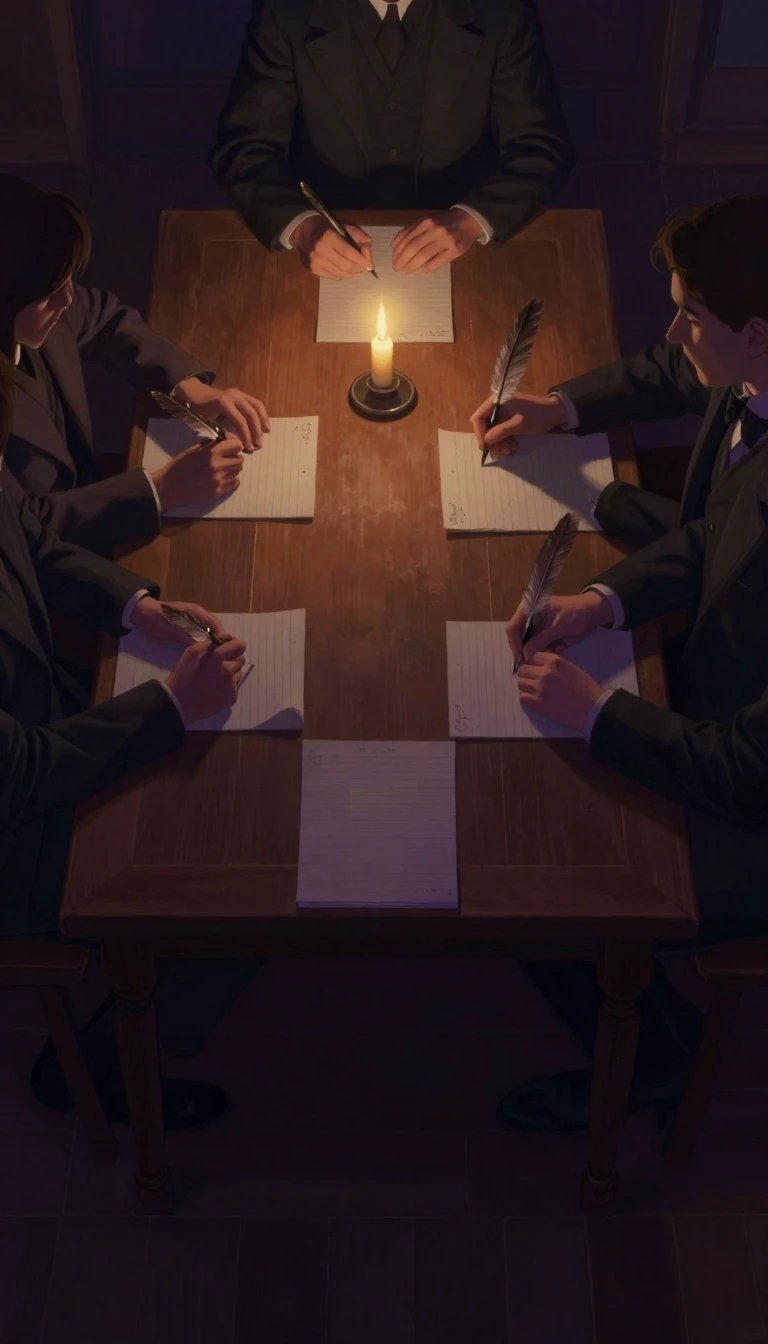
In short: Spanning centuries and continents, Islamic literature is a sprawling, diverse archive. While hundreds of thousands of manuscripts remain unstudied, a shared intellectual thread connects these works. From the foundational beauty of the Quran to the complex prose of the maqamah, this tradition continues to evolve through modern social critique.
Defining Islamic literature is a subject of ongoing academic debate. Some scholars categorize works based on the author's faith, while others include any writing produced within a majority-Muslim nation that can be framed within an Islamic context. This breadth encompasses diverse languages, including Arabic, Persian, and various South Asian tongues, each adapting classical forms while introducing unique regional genres. The Arabic language remains central, with pre-Islamic poetry and the Quran serving as primary models for theology, grammar, and history.
The tradition is marked by both practical and imaginative depth. 'Mirrors for princes' served as essential manuals for governance, emphasizing the ruler's role as a moral exemplar. Simultaneously, fiction flourished, from the 10th-century origins of the Arabian Nights to the 12th-century philosophical novels of Ibn Tufail and Ibn al-Nafis. These early narratives, featuring self-taught protagonists on desert islands, explored the harmony between religion and rational inquiry, later influencing European thinkers like Robert Boyle.
The sheer scale of this literary heritage is immense. Biographical dictionaries, such as the 60-volume M'ojam-ul-Musannifin by Maulana Mahmud Hasan Khan, have attempted to document the lives of thousands of writers. Despite this, the vast majority of works exist only in manuscript form. Today, the field continues to expand, with modern literature increasingly adopting journalistic styles and engaging with contemporary social themes, reflecting a tradition that is as much about the present as it is about its ancient, foundational roots.
Opens the Intellect+ feed with this card first. Swipe up for the next one.
Sources
- Summary by Intellect · source: Islamic literature | Britannica
- Also: Islamic literature
To cite this card, link to https://intellectplus.co.uk/app/art-islamic-literature.
How we source, check and correct cards: Editorial standards.
General information, not professional advice. Spotted an error? Flag the card or see corrections and complaints.
Intellect Plus is a visual educational discovery platform for exploring fascinating facts and ideas. Brain Food, Not Brain Rot. What is Intellect Plus?
Related
More in Literature · More in Art · Latest · A–Z · All topics
