From ancient courtly grace to spiritual trance, discover the diverse world of Iranian dance.
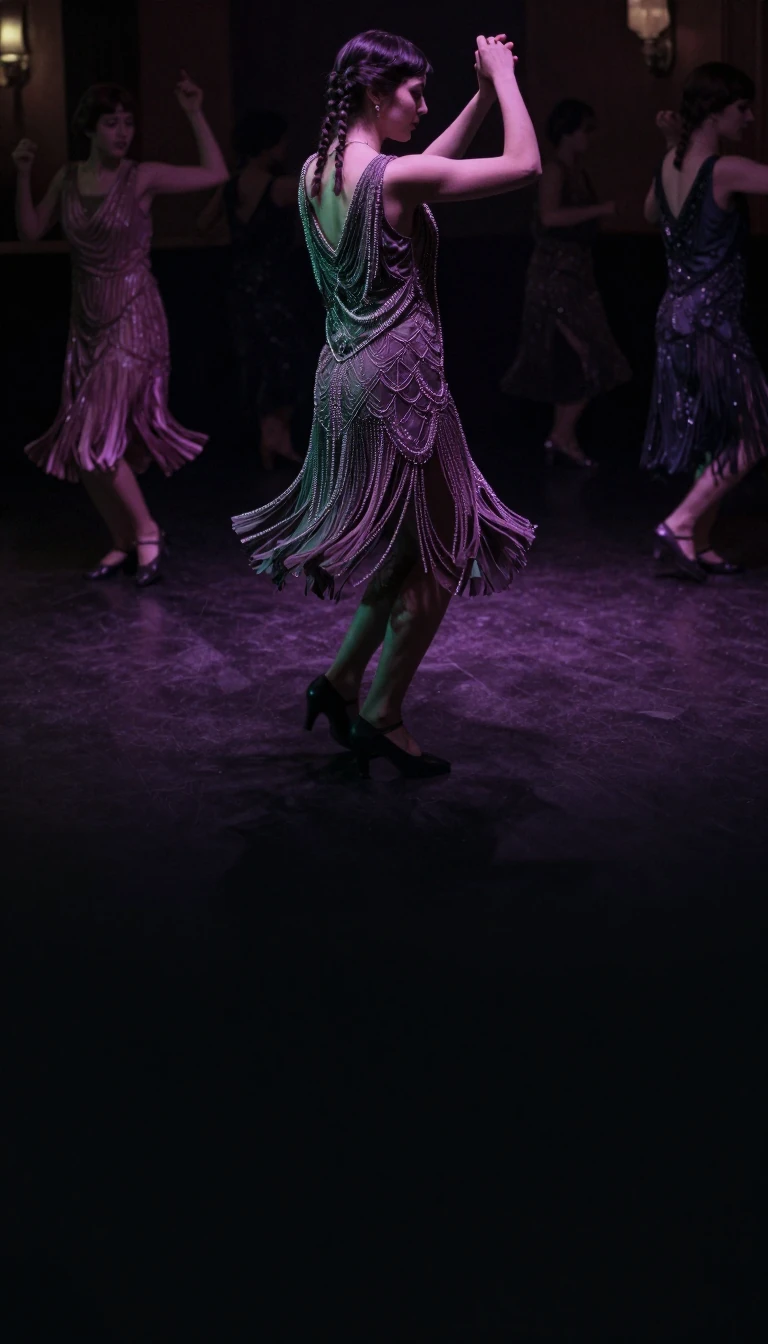
In short: Iranian dance is a vast tapestry of styles, ranging from refined court performances to energetic folk traditions. While the 1979 Revolution forced many artists into the diaspora, these ancient practices—spanning chain dances, combat movements, and spiritual rituals—remain a profound expression of the diverse cultures across the Iranian plateau.
The history of dance in Iran stretches back to at least the 6th millennium BC, with archaeological evidence of dancers and actors appearing in prehistoric sites like Susa and Tepe Sialk. These early forms were deeply integrated into rituals of worship, mourning, and celebration. One of the earliest documented traditions involved a dance dedicated to the deity Mithra, which included bull sacrifice to promote vitality, a practice that later gained significant adherence within the Roman Empire.
Iranian dance is categorized into four primary types: chain or line dances, solo improvisational forms, combat-oriented dances, and spiritual rituals. Chain dances, such as the Bandari—often associated with the Persian Gulf—or the stick-based Choob bazi, frequently reflect regional identities. In contrast, solo improvisational styles, including reconstructions of Safavid and Qajar court dances, emphasize graceful hand and arm movements. Meanwhile, the zurkhaneh, or traditional gymnasium, preserves Raghs-e-Pa, a footwork-focused dance that functions as both a martial art and a rhythmic discipline.
Spiritual and ritualistic dances, known as sama or zikr, are central to Sufi traditions, where practitioners use movement to achieve unity with the Divine. In Eastern and Southern Iran, trance-based dances like le’b guati and Zār serve as healing ceremonies, intended to exorcise possessing spirits or winds. These practices highlight the historical role of music and movement as medicine for psychological distress.
The landscape of Iranian dance shifted dramatically following the 1979 Islamic Revolution. Due to the prohibition of mixed-sex dancing, the national ballet company was dissolved, and many artists emigrated to Europe and the United States. Despite these challenges, a new generation of dancers in the diaspora continues to evolve these traditions, blending historical vocabulary with contemporary influences, ensuring that the diverse heritage of the Iranian plateau persists outside its borders.
Opens the Intellect+ feed with this card first. Swipe up for the next one.
Sources
- Summary by Intellect · source: Iranian dance
To cite this card, link to https://intellectplus.co.uk/app/art-iranian-dance.
How we source, check and correct cards: Editorial standards.
General information, not professional advice. Spotted an error? Flag the card or see corrections and complaints.
Intellect Plus is a visual educational discovery platform for exploring fascinating facts and ideas. Brain Food, Not Brain Rot. What is Intellect Plus?
Related
More in Performing arts · More in Art · Latest · A–Z · All topics
