How Japan’s Post-War Constitution Transformed from Total Demilitarization to a Modern Military Power
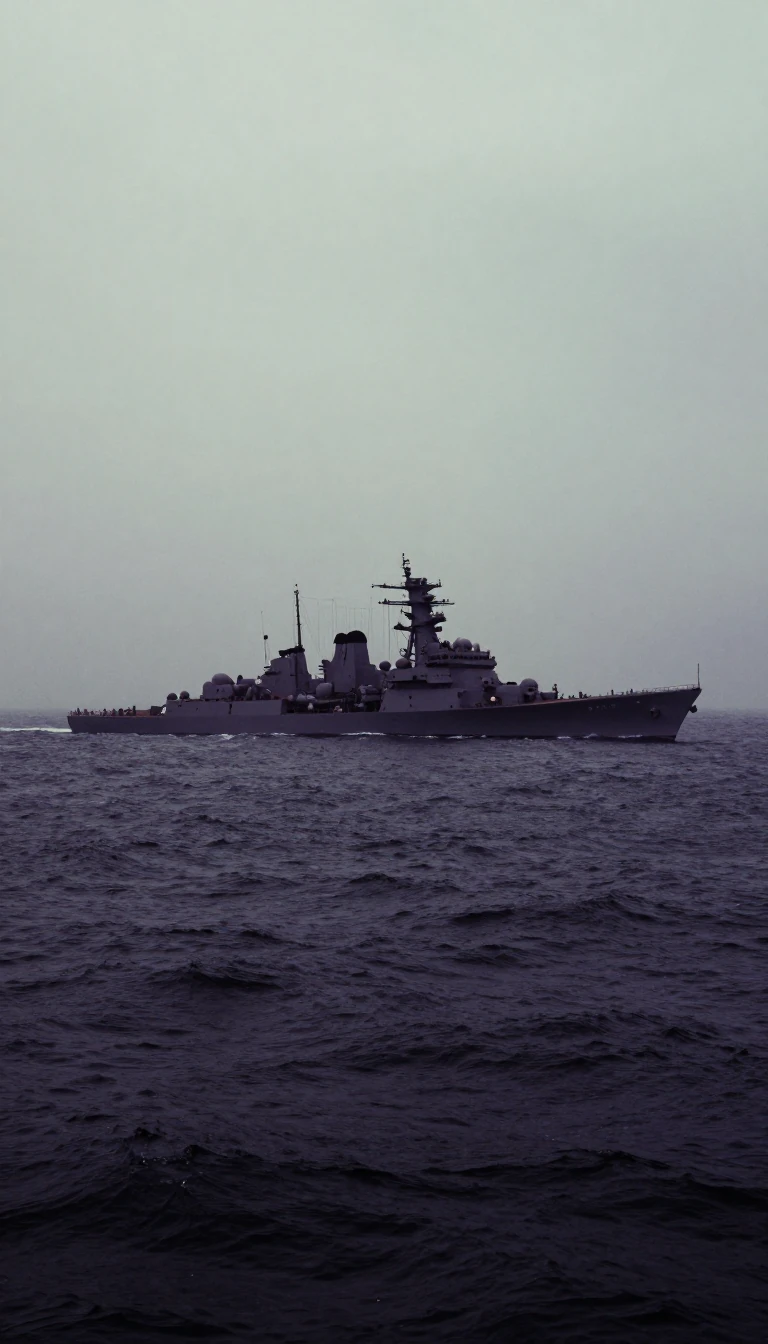
In short: Founded in 1954, the Japan Self-Defense Forces emerged from the ashes of total defeat. Despite a constitution that explicitly renounced war and military potential, shifting Cold War pressures forced a radical reinterpretation. Today, this force has evolved from a static defensive shield into a sophisticated, multi-domain military power.
Following Japan's surrender in 1945, the U.S.-led Allied occupation sought to ensure the nation would never again threaten global peace. The 1947 Constitution, drafted under the Supreme Command for the Allied Powers, included Article 9, which prohibited the maintenance of land, sea, and air forces. However, the onset of the Cold War and the 1950 outbreak of the Korean War triggered a policy reversal known as the Reverse Course. Fearing communist influence and recognizing Japan's vulnerability, U.S. authorities encouraged rearmament, leading to the 1950 creation of the National Police Reserve.
By 1954, these paramilitary foundations allowed for the formal establishment of the Japan Self-Defense Forces (JSDF). For decades, Japan maintained an exclusively defense-oriented policy, interpreting Article 9 as permitting only the minimum force necessary for self-defense. During the Cold War, the JSDF functioned as a static shield, while U.S. forces provided the offensive spear. This division of labor was codified in the 1976 National Defense Program Outline, which prioritized territorial deterrence against potential Soviet incursions.
In the 21st century, Japan’s security environment has grown increasingly complex. The 2022 National Security Strategy identifies threats from a nuclear-armed North Korea, an aggressive Russia, and a rising China. Consequently, Japan has moved toward a Multi-Domain Defense Force, integrating operations across space, cyber, and electromagnetic domains. Recent legislative changes, such as the 2015 Legislation for Peace and Security, now allow for collective self-defense, marking a significant departure from the post-war constraints that once defined Japan’s military posture.
Opens the Intellect+ feed with this card first. Swipe up for the next one.
Sources
- Summary by Intellect · source: Japan Self-Defense Forces (JSDF) | History, Modernization, & Facts | Britannica
- Also: Japan Self-Defense Forces
To cite this card, link to https://intellectplus.co.uk/app/art-japan-self-defense-forces.
How we source, check and correct cards: Editorial standards.
General information, not professional advice. Spotted an error? Flag the card or see corrections and complaints.
Intellect Plus is a visual educational discovery platform for exploring fascinating facts and ideas. Brain Food, Not Brain Rot. What is Intellect Plus?
Related
More in Performing arts · More in Art · Latest · A–Z · All topics
