From Elizabethan Stages to Minstrel Shows: The Surprising Global Evolution of the Jig
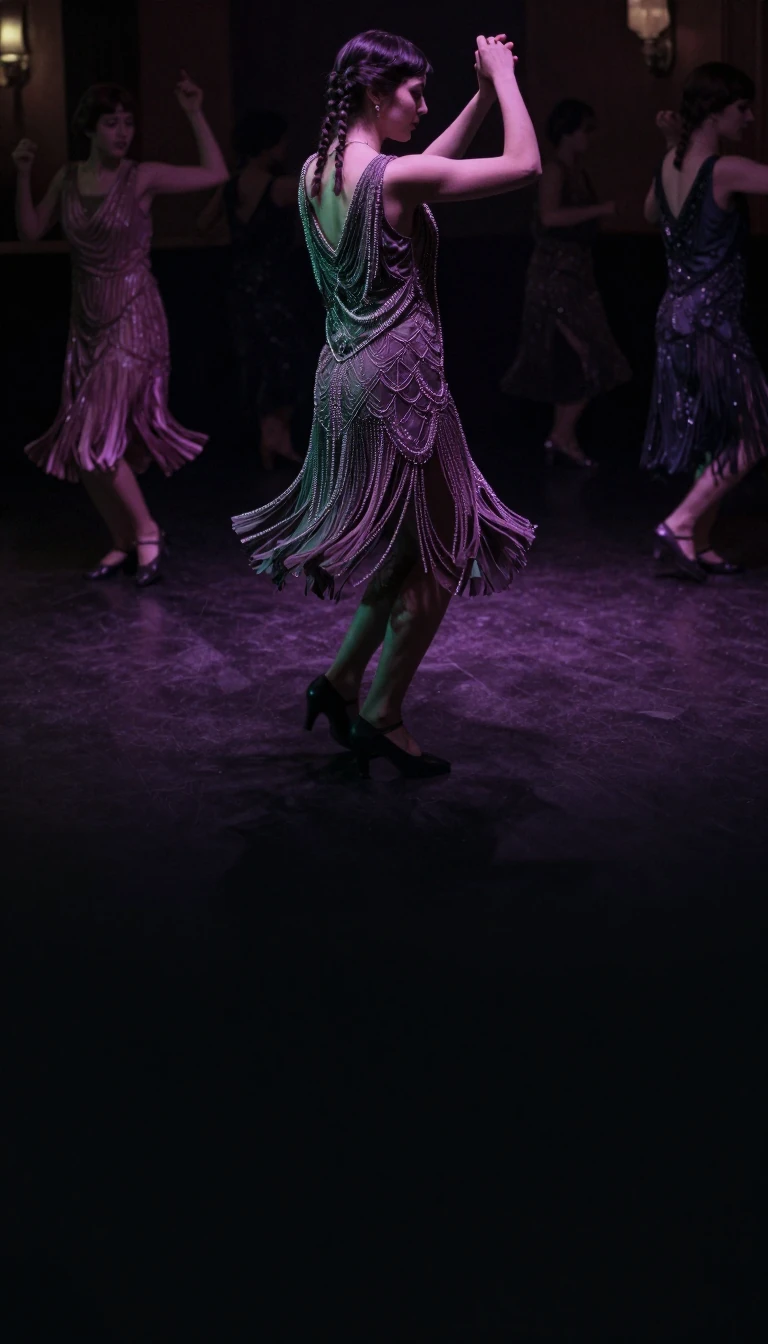
In short: The jig is more than a lively folk dance. Originating in the 16th century, it transformed from a dramatic stage performance in England into a cornerstone of Irish tradition and a foundational influence on American tap dancing. Its complex history spans centuries, continents, and diverse cultural expressions of movement.
The jig likely traces its etymological roots to the French term giguer, meaning to jump, or the Old English giga. By the 16th century, it was a recognized dance form across the British Isles. In early modern England, the term often described a post-play entertainment that blended dance with pantomime. These dramatic jigs could involve soloists or ensembles, utilizing a mix of metrical steps and non-metrical passages to convey narratives, as seen in the 1651 publication of Playford's Dancing Master.
As the dance migrated, it became deeply embedded in Irish and Scottish culture. While traditional Irish musicians classify jigs through various rhythmic lenses, modern competitive Irish dance maintains strict distinctions. For instance, the slip jig, performed in 9/8 time, is often called the ballet of Irish dance for its graceful, high-toed movements. Conversely, the treble jig, performed in hard shoes, emphasizes percussive sounds like stomps and clicks, with speeds ranging from 72 to 92 beats per minute depending on the dancer's skill level.
In 19th-century America, the jig took on a distinct identity through the influence of enslaved African-Americans. This minstrel jig, or straight jig, featured syncopated rhythms and eccentric movements, performed to banjo or fiddle music. Iconic figures like Master Juba gained fame for their skill, often engaging in high-stakes challenge dances against performers like John Diamond. This American variant, which included specialized forms like the sand dance, proved essential to the development of modern tap and soft-shoe styles. Today, the jig remains a versatile form, evolving from its roots in European courtly entertainment to become a global symbol of rhythmic agility.
Opens the Intellect+ feed with this card first. Swipe up for the next one.
Sources
- Summary by Intellect · source: Jig
To cite this card, link to https://intellectplus.co.uk/app/art-jig.
How we source, check and correct cards: Editorial standards.
General information, not professional advice. Spotted an error? Flag the card or see corrections and complaints.
Intellect Plus is a visual educational discovery platform for exploring fascinating facts and ideas. Brain Food, Not Brain Rot. What is Intellect Plus?
Related
More in Performing arts · More in Art · Latest · A–Z · All topics
