Modernist literature was a radical break from the past, fueled by global industrialization and war.
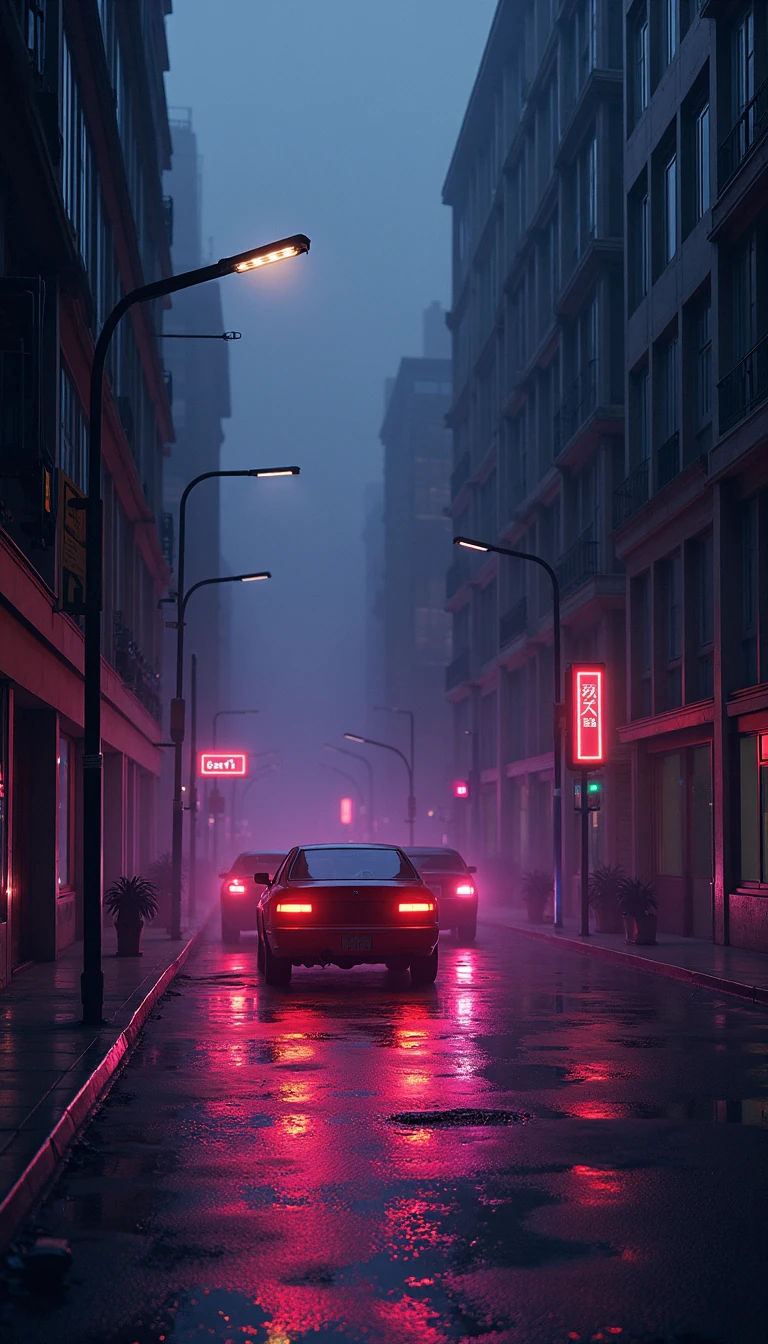
In short: Emerging from the late 19th century and peaking after World War I, Modernism was more than a style; it was a desperate, experimental search for meaning in a world shattered by carnage. Writers abandoned Victorian conventions to capture the fragmentation, alienation, and rapid social shifts defining the modern human experience.
Modernism represented a fundamental rupture with Victorian morality and traditional representation. Driven by industrialization, urbanization, and the psychological insights of figures like Freud, artists sought new modes of expression to reflect a world that felt increasingly alien. The movement was not merely a literary trend but a cross-disciplinary phenomenon, spanning visual arts, music, and architecture. While precursors like Henry James and Joseph Conrad laid the groundwork, the movement truly crystallized in the aftermath of World War I. The unprecedented destruction of the war undermined faith in Western society, leaving writers to grapple with profound disillusionment and a sense of cultural fragmentation.
The literature of this era was characterized by radical technical experimentation and a demand for active reader participation. T.S. Eliot’s 1922 poem, The Waste Land, stands as a seminal example, using obscure allusions and fragmentary imagery to depict a sterile, spiritually empty landscape. William Carlos Williams famously remarked that the poem’s impact was as if an atom bomb had been dropped on the world of letters. This impulse toward the new was supported by little magazines—noncommercial, avant-garde periodicals like Poetry, founded in 1912 by Harriet Monroe, and The Little Review, established in 1914. These outlets provided a vital space for writers like Ezra Pound, James Joyce, and Ernest Hemingway to publish original, challenging work.
Beyond the core movement, Modernism fostered diverse sub-movements such as Imagism, which emphasized direct, sparse language and drew inspiration from Japanese haiku and ancient Greek poetry. Simultaneously, the Harlem Renaissance, spanning roughly 1918 to 1937, emerged as a culturally pluralistic and highly influential movement in African American history. Whether through the Vorticism of 1914 or the varied experiments in fiction and drama, Modernists consistently rejected sentimentality. They sought an authentic response to a world where, as the movement’s ethos often suggested, the old centers could no longer hold. By prioritizing aesthetic form and theory, these writers transformed the landscape of 20th-century literature, leaving a legacy of complexity that continues to challenge our understanding of reality.
Opens the Intellect+ feed with this card first. Swipe up for the next one.
Sources
- Summary by Intellect · source: Modernist literature | Examples, Characteristics, Books, Authors, Writers, & Facts | Britannica
- Also: Literary modernism
To cite this card, link to https://intellectplus.co.uk/app/art-literary-modernism.
How we source, check and correct cards: Editorial standards.
General information, not professional advice. Spotted an error? Flag the card or see corrections and complaints.
Intellect Plus is a visual educational discovery platform for exploring fascinating facts and ideas. Brain Food, Not Brain Rot. What is Intellect Plus?
Related
More in Literature · More in Art · Latest · A–Z · All topics
