Why do ghosts and flying carpets feel so ordinary in Latin American literature?
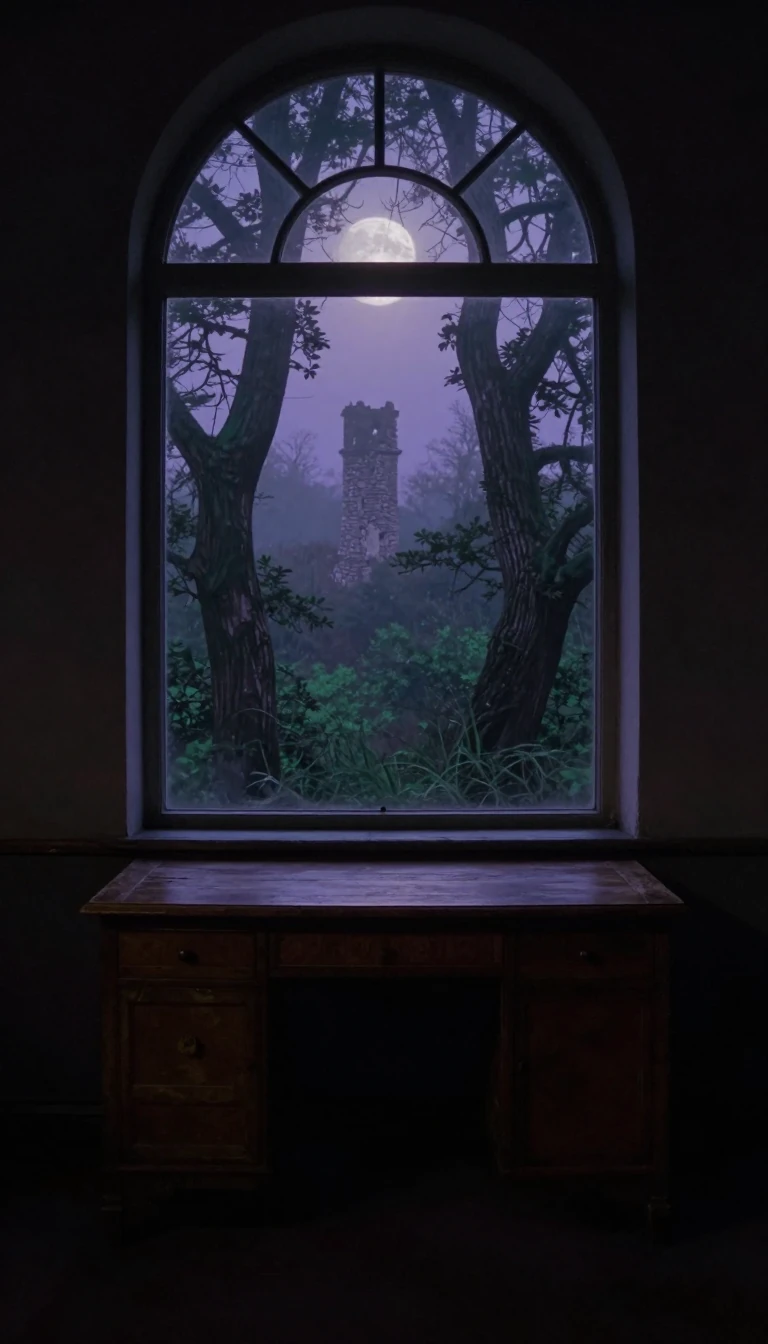
In short: Magical realism is not fantasy. It is a narrative strategy that anchors supernatural events within a mundane, realistic setting. By treating ghosts or miracles as everyday occurrences, authors critique social and political realities, using the impossible to reveal truths about the human condition that standard realism often fails to capture.
At its core, magical realism functions by embedding dreamlike or mythical elements into a framework of recognizable reality. Unlike fantasy, which often creates entirely separate worlds, this genre relies on a detailed, grounded environment. When characters encounter phenomena like ghosts or the ability to fly, they accept these events as ordinary, allowing the narrative to explore deeper societal critiques. Nobel laureate Gabriel García Márquez, a central figure in the genre, famously noted that his work was rooted in reality rather than pure imagination, suggesting that in Latin America, surrealism is an inherent part of daily life.
The genre gained significant global prominence through the work of Latin American writers in the mid-20th century. García Márquez’s 1967 masterpiece, One Hundred Years of Solitude, exemplifies this style by depicting the Buendía family’s experiences in the fictional city of Macondo. Here, the narrative weaves together political struggles, such as rigged elections, with fantastical occurrences like the birth of a child with a pig’s tail. This juxtaposition allows authors to shine a light on complex issues like poverty, slavery, and domestic oppression, using the supernatural to amplify the impact of these historical and social conflicts.
While frequently associated with Latin American authors, the genre’s reach is broad. Writers like Olga Tokarczuk, the 2018 Nobel laureate, utilize mythical tones and interweaving timelines to construct universal stories that bridge cultural opposites. Similarly, Jose Saramago employed allegorical elements to examine societal collapse in his work. Although the term itself has roots in 1920s European painting, it has evolved into a powerful literary tool. By blurring the boundaries between the mundane and the miraculous, these authors provide a more inclusive lens through which to view the world, reflecting the richness and the hardships of the human experience.
Opens the Intellect+ feed with this card first. Swipe up for the next one.
Sources
- Summary by Intellect · source: Magic realism | Definition, Authors, & Facts | Britannica
- Also: Magical realism. Five spellbinding works by Nobel Prize laureates - NobelPrize.org
- Also: Magical realism
To cite this card, link to https://intellectplus.co.uk/app/art-magical-realism.
How we source, check and correct cards: Editorial standards.
General information, not professional advice. Spotted an error? Flag the card or see corrections and complaints.
Intellect Plus is a visual educational discovery platform for exploring fascinating facts and ideas. Brain Food, Not Brain Rot. What is Intellect Plus?
Related
More in Literature · More in Art · Latest · A–Z · All topics
