The Man'yōshū is Japan's oldest imperial anthology, capturing the spirit of ten thousand leaves.
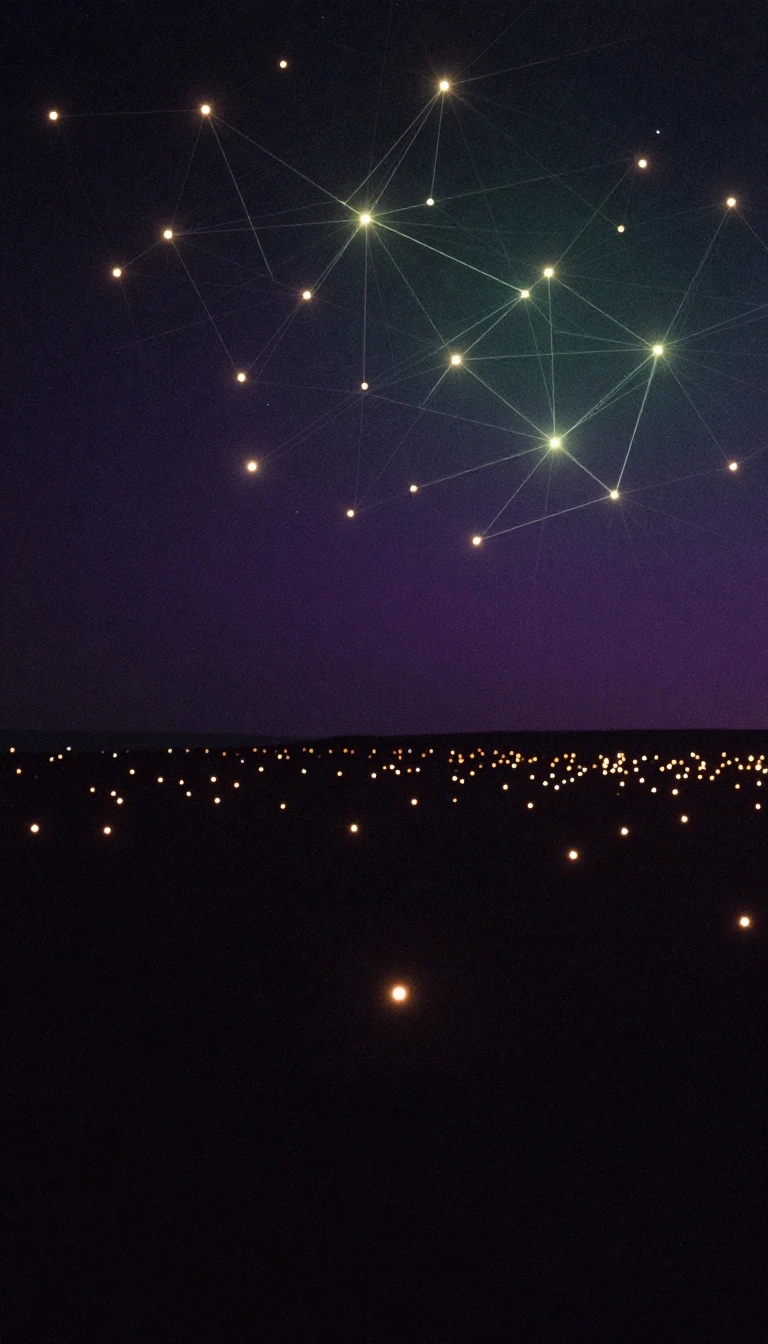
In short: Compiled around 759, the Man'yōshū stands as the foundational pillar of Japanese literature. Containing over 4,500 poems, it preserves a pristine, subjective emotional intensity that transcends the centuries. It remains a vital, if challenging, window into the ancient Japanese soul, unburdened by the later rigid codes of poetic diction.
The Man'yōshū, or Collection of Ten Thousand Leaves, serves as the premier imperial anthology of Japanese poetry. While its final compilation dates to approximately 759, the collection preserves works from the 7th century and potentially earlier. Unlike later, more restrictive anthologies that adhered to strict codes of poetic diction, the Man'yōshū is celebrated for its simple freshness and a subjective, emotional tone that feels remarkably immediate to modern readers. It avoids the moralistic or intellectual weight found in later literature, focusing instead on the raw intensity of human feeling.
The collection is vast, comprising more than 4,500 poems across 20 volumes. These works represent a diverse cross-section of society, featuring contributions from emperors and aristocrats alongside soldiers, peasants, and street performers. The poems are broadly categorized into three genres: Zoka (banquet and travel songs), Somonka (love poetry), and Banka (mourning songs). This variety reflects a period before the language became heavily influenced by the abstract vocabulary and Confucian structures later borrowed from China, allowing for a unique expression of emotional nuance.
Reading the Man'yōshū presents significant challenges, as Japanese literature has historically favored ambiguity and often omits particles necessary for precise comprehension. Furthermore, the collection predates the 10th-century poetic codes that later standardized Japanese verse. Because the language lacks stress accents and rhymes, the poems rely on alternating lines of five and seven syllables to distinguish themselves from prose. Despite these linguistic hurdles, the anthology remains a testament to a literary tradition that never experienced a 'dark age,' maintaining a continuous, vibrant output from the 7th century to the present day.
Opens the Intellect+ feed with this card first. Swipe up for the next one.
Sources
- Summary by Intellect · source: Man’yō-shū | Poems, Literary Style & Themes | Britannica
- Also: Man'yōshū
To cite this card, link to https://intellectplus.co.uk/app/art-man-y-sh.
How we source, check and correct cards: Editorial standards.
General information, not professional advice. Spotted an error? Flag the card or see corrections and complaints.
Intellect Plus is a visual educational discovery platform for exploring fascinating facts and ideas. Brain Food, Not Brain Rot. What is Intellect Plus?
Related
More in Literature · More in Art · Latest · A–Z · All topics
