Latin American culture is a complex, centuries-old tapestry of global and indigenous influences.
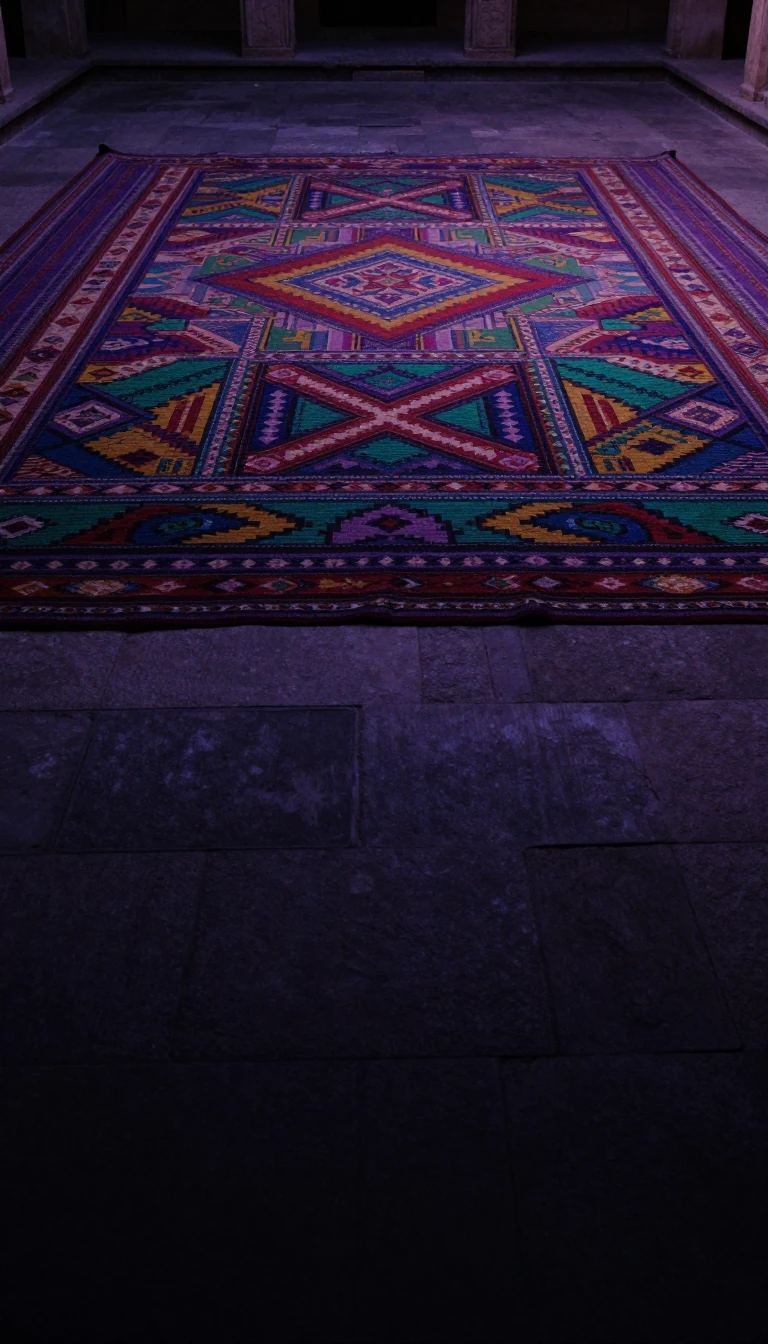
In short: Far from a monolith, Latin American culture is a vibrant synthesis of Western, Native American, African, and Asian traditions. From the literary magic realism of the 1960s to the rhythmic fusion of bossa nova, this region’s identity is defined by its profound diversity, historical layering, and constant, creative evolution.
The cultural landscape of Latin America is rooted in the legacy of the late Roman Empire, primarily through the spread of Spanish and Portuguese. However, this foundation is continuously reshaped by the enduring presence of Pre-Columbian traditions, particularly in nations like Mexico, Peru, and Bolivia. The region’s demographic makeup reflects a history of migration and forced labor, resulting in a population characterized by diverse ancestries, including mestizo, mulatto, and pardo communities. This blending of peoples has fostered unique syncretic religions and artistic expressions that defy simple categorization.
Literature has played a pivotal role in defining the region's identity, moving from early colonial chronicles to the nineteenth-century 'foundational fictions' that sought to establish national narratives. The global recognition of Latin American letters peaked during the mid-twentieth-century literary boom, which introduced experimental styles and the celebrated genre of magic realism. This era produced monumental works, such as the 1967 masterpiece by Gabriel García Márquez, and cemented the region's status as a powerhouse of intellectual and creative output, earning six Nobel Prizes in literature.
Music and philosophy further illustrate this dynamic synthesis. Musical traditions range from the sophisticated habanera to the rhythmic complexity of salsa, often incorporating African beats and European classical structures. Simultaneously, Latin American philosophy has evolved from colonial-era inquiries into gender and rational equality—pioneered by figures like Sor Juana Inés de la Cruz—to contemporary explorations of identity, decoloniality, and the 'hyphenated experience' of the diaspora. Whether through the lens of political theory or the soul of folk music, the region remains a site of constant, intellectual, and artistic transformation.
Opens the Intellect+ feed with this card first. Swipe up for the next one.
Sources
- Summary by Intellect · source: Culture of Latin America
To cite this card, link to https://intellectplus.co.uk/app/culture-culture-of-latin-america.
How we source, check and correct cards: Editorial standards.
General information, not professional advice. Spotted an error? Flag the card or see corrections and complaints.
Intellect Plus is a visual educational discovery platform for exploring fascinating facts and ideas. Brain Food, Not Brain Rot. What is Intellect Plus?
Related
More in Culture · More in Cultures · Latest · A–Z · All topics
