Marcel Carné defined French poetic realism, yet his legacy faced a brutal cinematic eclipse.
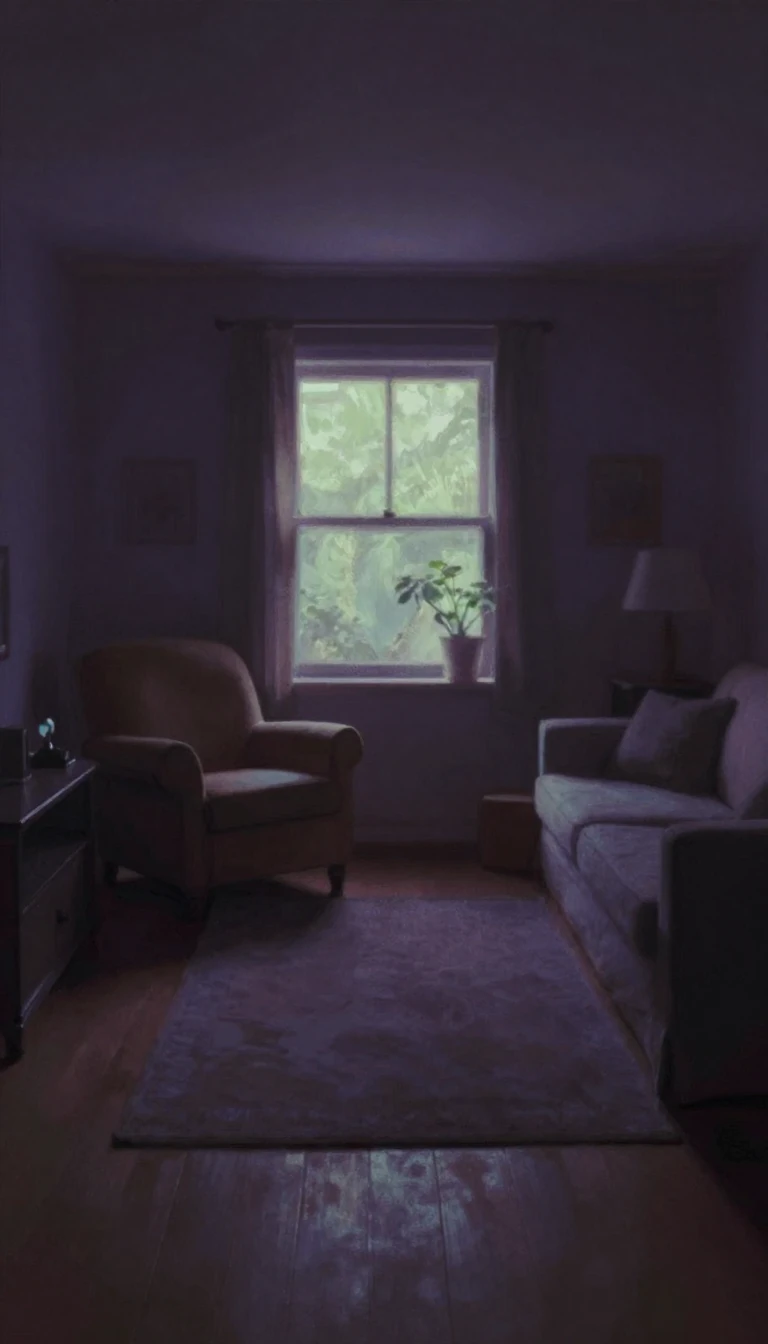
In short: As the leading voice of 1930s French cinema, Marcel Carné crafted fatalistic masterpieces defined by lyrical gloom. Yet, the spontaneity of the New Wave movement later rendered his meticulously scripted style old-fashioned. Explore the rise, the wartime triumph of his greatest masterpiece, and the eventual decline of a legendary director.
Marcel Carné emerged as the preeminent director of the French cinema revival in the late 1930s. His work was synonymous with poetic realism, a style characterized by pessimistic dramas set in mist-shrouded, violent worlds where doomed lovers sought fleeting moments of happiness. This fatalistic tone was perfectly captured in iconic films like Quai des brumes (1938) and Le Jour se lève (1939), both featuring the actor Jean Gabin. These projects relied on a consistent creative team, most notably the poet and screenwriter Jacques Prévert, whose scripts anchored almost all of Carné’s finest work, alongside set designer Alexandre Trauner and composer Joseph Kosma.
During the German occupation of France in World War II, Carné pivoted to period films, as contemporary subjects were difficult to navigate. It was under these restrictive conditions that he produced Les Enfants du paradis (1945). A fictionalized portrait of 19th-century mime Jean-Gaspard Deburau, the film is widely regarded as his masterpiece. Despite the challenges of the era, the production achieved a level of spectacle and romantic passion that remains highly admired. In later decades, a poll of 600 French critics and professionals even voted it the Best French Film of the Century.
Following the war, Carné’s career faced significant headwinds. His collaboration with Prévert ended after Les Portes de la nuit (1946), a production that failed to resonate with critics or audiences. As the 1960s arrived, the French New Wave championed spontaneity and freedom, causing Carné’s carefully rehearsed, scripted approach to appear cold and outdated. He continued working into the 1970s, but his later films rarely matched the acclaim of his early triumphs. By the time he attempted a final project in 1992 based on a Guy de Maupassant story, he was largely viewed as a peripheral figure, though he remained a celebrated historical titan of French film until his death in 1996.
Opens the Intellect+ feed with this card first. Swipe up for the next one.
Sources
- Summary by Intellect · source: Marcel Carné | French Film Director & Screenwriter | Britannica
- Also: Marcel Carné
To cite this card, link to https://intellectplus.co.uk/app/art-marcel-carn.
How we source, check and correct cards: Editorial standards.
General information, not professional advice. Spotted an error? Flag the card or see corrections and complaints.
Intellect Plus is a visual educational discovery platform for exploring fascinating facts and ideas. Brain Food, Not Brain Rot. What is Intellect Plus?
Related
More in Filmmakers and theatre directors · More in Art · Latest · A–Z · All topics
