Why a forgotten German painter became a cult icon for modernists and nationalists alike
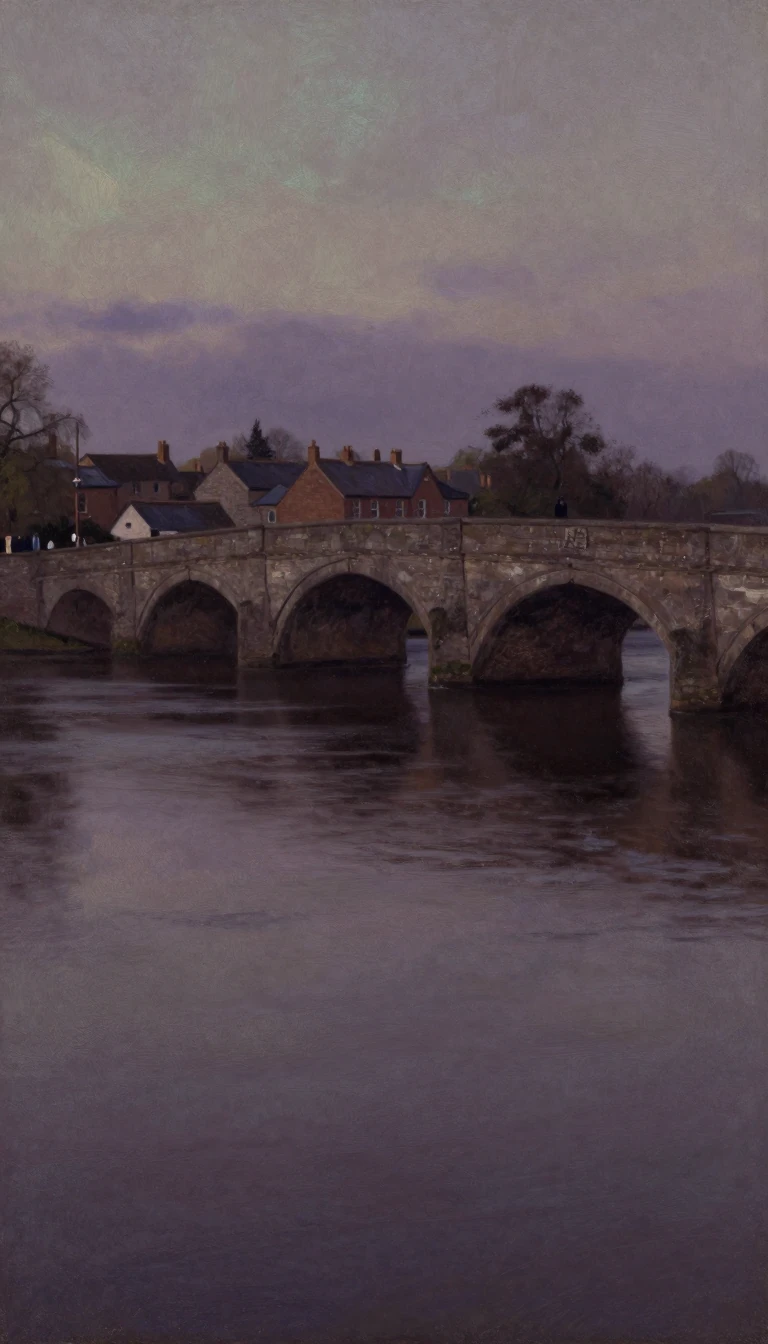
In short: For centuries, the visionary works of Matthias Grünewald were misattributed to his stylistic opposite, Albrecht Dürer. Only rediscovered in the late nineteenth century, his intense, angst-laden religious art eventually captivated everyone from expressionist painters to literary figures, transforming a once-obscure figure into a symbol of profound human suffering.
Matthias Grünewald, active during the German Renaissance, remains a historical enigma. While he was clearly recognized by contemporaries, the biographical details of his life are remarkably sparse. Born around 1470, he operated outside the classicism favored by his peer Albrecht Dürer, instead championing a late medieval aesthetic defined by dramatic forms, vivid colors, and a mastery of light. His surviving corpus is small, consisting of only ten paintings and thirty-five drawings, all centered on religious themes. His most significant achievement, the Isenheim Altarpiece, was completed between 1512 and 1515 and remains a monumental work of art, measuring over five meters wide at its fullest extent.
The mystery surrounding his identity has fueled decades of scholarly debate. For years, his works were frequently confused with those of Dürer, and it was not until the late nineteenth century that he gained independent recognition. A controversial 1938 theory by Walter Karl Zülch attempted to merge Grünewald with a figure named Mathis Nithart or Gothardt, a painter and engineer born in Würzburg. While this specific identification is now largely discredited, it highlights the persistent difficulty in pinning down the life of a man who served as a court artist to archbishops in Mainz while leading a reportedly withdrawn and melancholy existence.
Grünewald's eventual elevation to a cult figure was driven by his unique emotional intensity. His work resonated with diverse groups: German nationalists and modernists were drawn to the raw expressionism of his altarpieces, while his perceived sympathy for peasants during the German Peasants' War earned him favor on the political left. His influence has permeated twentieth-century culture, appearing in the music of Paul Hindemith, the novels of Elias Canetti, and the prose-poetry of W. G. Sebald. Today, the Lutheran Church honors his legacy, recognizing him alongside Dürer and Cranach as a significant figure in the history of art and faith.
Opens the Intellect+ feed with this card first. Swipe up for the next one.
Sources
- Summary by Intellect · source: Matthias Grünewald
- Also: Art Institute of Chicago — Homage to Matthias Grünewald · CC0 (data); description CC BY 4.0
- Also: Art Institute of Chicago — Homage to Matthias Grünewald · CC0 (data); description CC BY 4.0
To cite this card, link to https://intellectplus.co.uk/app/art-matthias-gr-newald.
How we source, check and correct cards: Editorial standards.
General information, not professional advice. Spotted an error? Flag the card or see corrections and complaints.
Intellect Plus is a visual educational discovery platform for exploring fascinating facts and ideas. Brain Food, Not Brain Rot. What is Intellect Plus?
Related
More in Visual artists · More in Art · Latest · A–Z · All topics
