Why Stanislavski called Michael Chekhov his most brilliant student
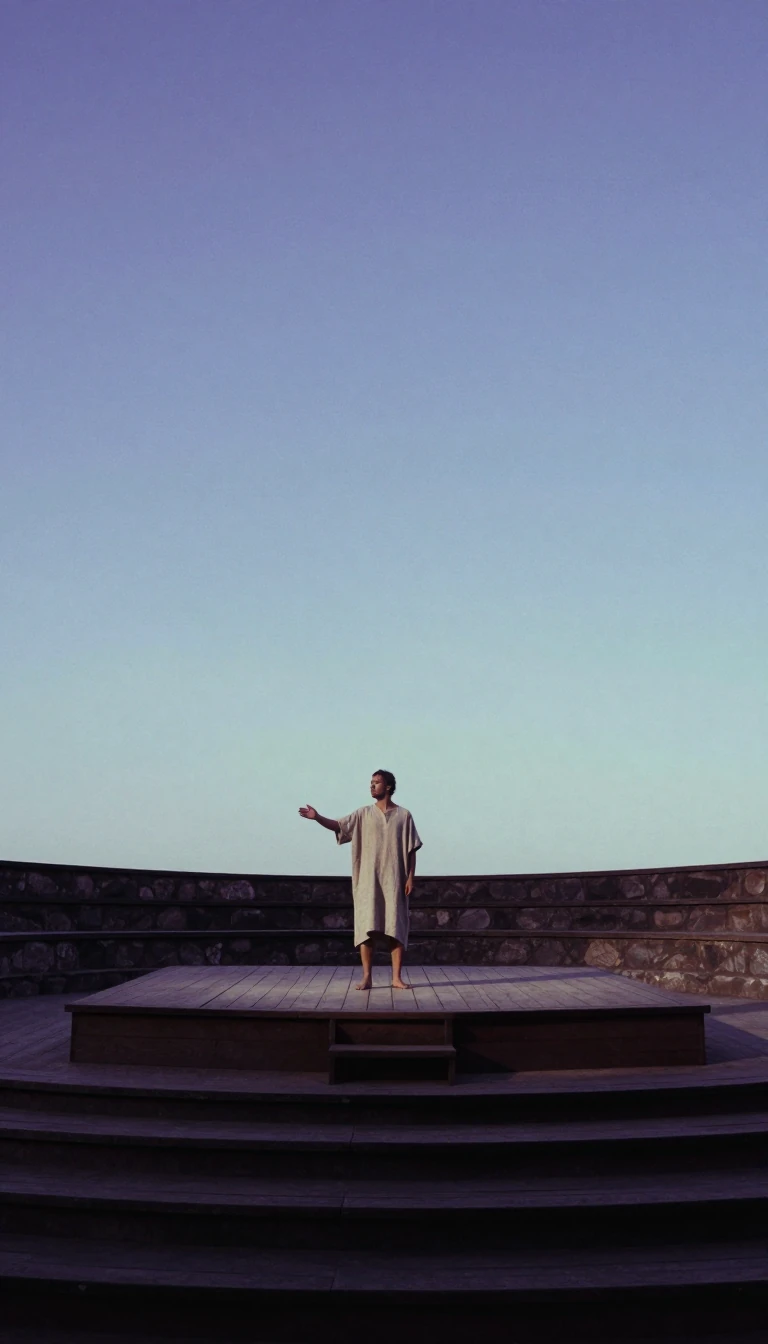
In short: Michael Chekhov was more than just a famous playwright's nephew. A revolutionary actor and director, he broke away from naturalism to pioneer a physical, imagination-based system of performance. His techniques, including the Psychological Gesture, influenced generations of Hollywood stars and remain a cornerstone of modern actor training today.
Born in 1891, Michael Chekhov was the nephew of Anton Chekhov and a protégé of Konstantin Stanislavski. While he initially trained under Stanislavski at the First Studio of the Moscow Art Theatre, he eventually diverged from his mentor. Chekhov found Stanislavski’s early focus on emotional memory—which once triggered a nervous breakdown for him—to be limiting. He believed that relying too heavily on personal trauma led to a naturalistic style that lacked the transformative power he sought for the stage.
In the late 1920s, fleeing political pressure under Stalinism, Chekhov emigrated to Germany and later the United States. During this period, he developed a unique system rooted in the Symbolist theories of Andrei Bely and the works of Rudolf Steiner. Central to his method was the 'Psychological Gesture,' a technique where an actor physicalizes a character’s internal dynamic through an external movement. By suppressing this gesture and incorporating it internally, the actor allows physical memory to inform their performance on an unconscious level, moving beyond simple imitation.
Chekhov’s influence on 20th-century performance is vast, with students ranging from Marilyn Monroe and Clint Eastwood to Anthony Quinn and Yul Brynner. His pedagogical legacy is preserved in his writings, such as 'On the Technique of Acting' and 'To the Actor,' which continue to be cited by contemporary actors like Johnny Depp and Anthony Hopkins. Even in film, his singular talent was recognized; he earned an Academy Award nomination for his role as a Freudian analyst in Alfred Hitchcock’s 1945 thriller, Spellbound.
Today, Chekhov’s work is studied globally, with institutions like the Mikhail Chekhov Riga Russian Theatre honoring his contributions. His approach, which emphasizes movement dynamics like molding, floating, and radiating, provides actors with indirect, non-analytical tools to access their creative unconscious. By shifting the focus from the actor's own past to the character's physical core, Chekhov created a framework that remains a vital, living tradition for performers seeking freedom and depth in their craft.
Opens the Intellect+ feed with this card first. Swipe up for the next one.
Sources
- Summary by Intellect · source: Michael Chekhov
To cite this card, link to https://intellectplus.co.uk/app/art-michael-chekhov.
How we source, check and correct cards: Editorial standards.
General information, not professional advice. Spotted an error? Flag the card or see corrections and complaints.
Intellect Plus is a visual educational discovery platform for exploring fascinating facts and ideas. Brain Food, Not Brain Rot. What is Intellect Plus?
Related
More in Filmmakers and theatre directors · More in Art · Latest · A–Z · All topics
