Why eating goose on September 29 was once a strategy for financial security
In short: Michaelmas, the feast of St. Michael the Archangel, was once a cornerstone of the medieval calendar. Beyond its religious roots, this day synchronized the harvest, legal contracts, and financial accounts. From eating goose to ward off poverty to baking special bannocks, the traditions reveal a society deeply attuned to seasonal cycles.
Celebrated on September 29 in Western churches, Michaelmas commemorates St. Michael, the archangel traditionally revered as the leader of heavenly armies and a defender against Satan. While its origins trace back to the 4th-century Eastern Church, the feast became a significant cultural marker in medieval Europe. It coincided with the harvest, making it a natural pivot point for the agricultural year. In England, Ireland, and Wales, it served as one of the four quarterly days, functioning as a deadline for settling debts, issuing contracts, and electing reeves on manors.
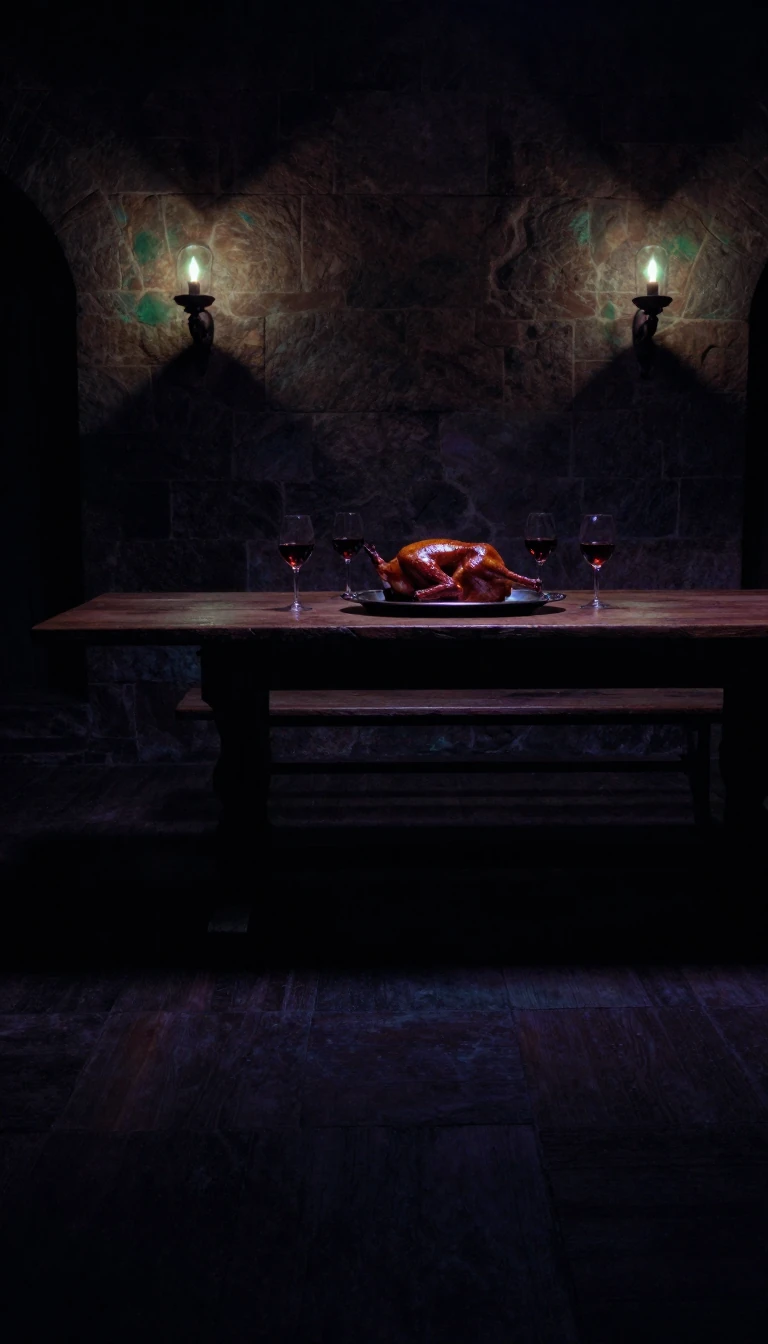
The day was steeped in folklore and economic superstition. Eating a 'stubble-goose'—a bird fattened on harvest fields—was believed to protect one from financial hardship for the coming year. This custom, dating back to at least the 15th century, was so ingrained that tenant farmers often presented geese to their landlords as part of their tenancy agreements. While legends link the practice to Queen Elizabeth I or St. Patrick, these stories are largely apocryphal, as the connection between Michaelmas and goose consumption predates these figures by centuries.
Beyond the feast, the season was marked by unique rituals. In the Hebrides, families baked 'Struans' or Michaelmas bannocks using equal parts barley, oats, and rye, strictly avoiding metal implements. Folklore also warned against picking blackberries after Michaelmas, claiming they were cursed by the devil after his fall from heaven. These traditions, alongside the blooming of Michaelmas daisies, underscored the transition into autumn. Although it was once a Holy Day of Obligation, the requirement was gradually abolished, yet the day remains a fascinating relic of how ancient societies structured their lives around the rhythms of the earth and the calendar of the church.
Opens the Intellect+ feed with this card first. Swipe up for the next one.
Sources
- Summary by Intellect · source: Michaelmas | Feast Day, Harvest, Autumn | Britannica
- Also: Michaelmas
To cite this card, link to https://intellectplus.co.uk/app/art-michaelmas.
How we source, check and correct cards: Editorial standards.
General information, not professional advice. Spotted an error? Flag the card or see corrections and complaints.
Intellect Plus is a visual educational discovery platform for exploring fascinating facts and ideas. Brain Food, Not Brain Rot. What is Intellect Plus?
Related
More in Literature · More in Art · Latest · A–Z · All topics
