How a dying Roman emperor’s lost autobiography inspired a 20th-century literary masterpiece
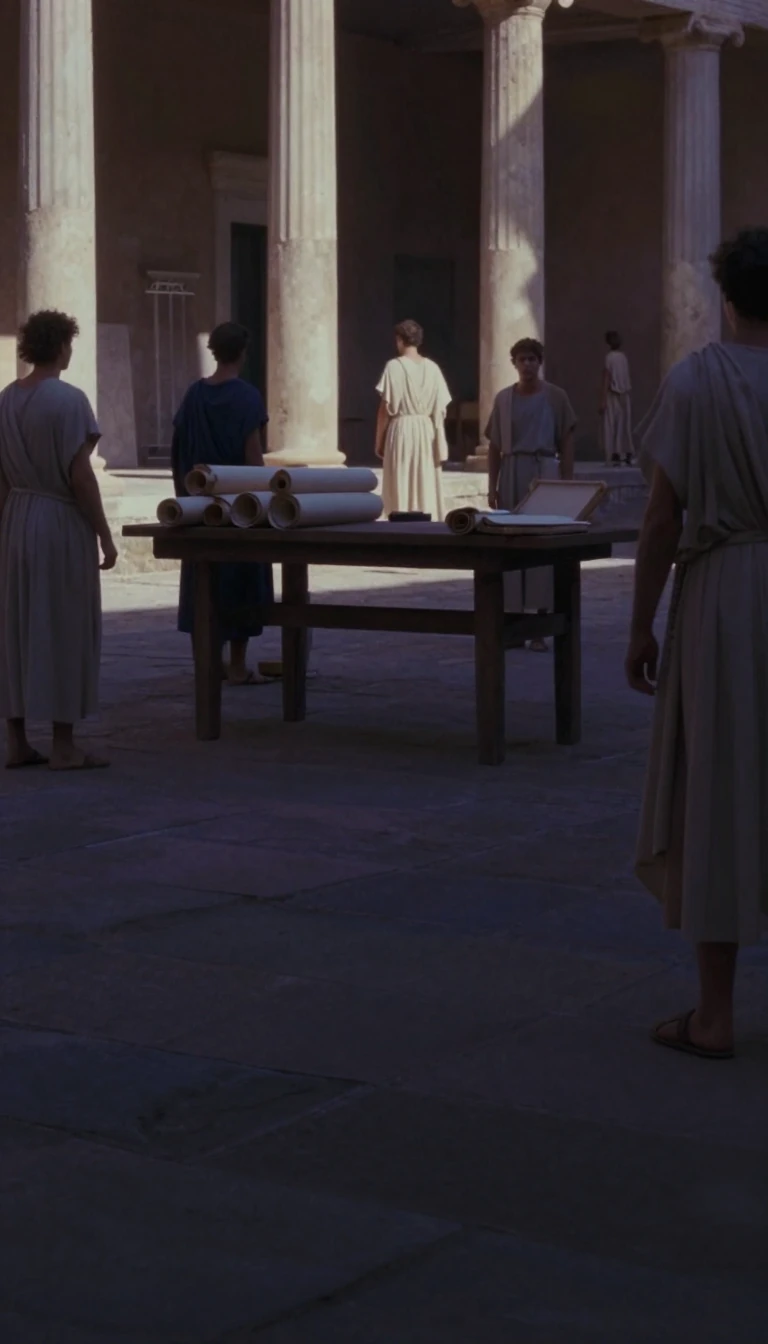
In short: Marguerite Yourcenar spent decades crafting a fictional memoir of Emperor Hadrian, capturing the mind of a ruler who lived when old gods were fading and Christianity had yet to rise. Published in 1951, this vivid narrative reconstructs the life of a man who consolidated Rome’s vast empire and redefined imperial authority.
Hadrian, born in 76 CE, rose through the ranks of the Roman Senate to become one of the 'Five Good Emperors.' His path to power was marked by military service in Dacia and the crucial support of Trajan’s wife, Plotina, who helped secure his succession. By 117 CE, following Trajan’s death, Hadrian assumed control of an empire he would spend his reign consolidating rather than expanding.
Yourcenar’s novel, Mémoires d’Hadrien, imagines the emperor reflecting on his life from his deathbed at age sixty. The narrative explores his deep philhellenism, his grief over the death of his lover Antinous, and his shift toward a policy of peace. By framing the story as a letter to his successor, Marcus Aurelius, the book bridges the gap between historical record and intimate psychological portraiture.
The historical Hadrian was a trendsetter whose influence extended beyond politics into aesthetics. Unlike his clean-shaven predecessors, he adopted a short, cropped beard, a style that remained popular in imperial portraiture for two centuries. This distinctive look, captured in marble sculptures and gold aurei, served as a recognizable symbol of his authority across the Roman provinces, reinforcing his image as a cultivated and steady leader.
Yourcenar’s work remains a landmark of historical fiction, praised for its attempt to achieve authenticity while reinterpreting the past. She drew upon sources like the Historia Augusta and Cassius Dio, yet her primary goal was to capture the 'melancholy of the antique world.' The novel serves as a meditation on power, mortality, and the enduring search for stability in a changing world.
Opens the Intellect+ feed with this card first. Swipe up for the next one.
Sources
- Summary by Intellect · source: Memoirs of Hadrian | Roman Empire, Marguerite Yourcenar, Epic Novel | Britannica
- Also: Memoirs of Hadrian
- Also: Aureus (Coin) Portraying Emperor Hadrian
- Also: Portrait Head of Emperor Hadrian
To cite this card, link to https://intellectplus.co.uk/app/art-memoirs-of-hadrian.
How we source, check and correct cards: Editorial standards.
General information, not professional advice. Spotted an error? Flag the card or see corrections and complaints.
Intellect Plus is a visual educational discovery platform for exploring fascinating facts and ideas. Brain Food, Not Brain Rot. What is Intellect Plus?
Related
More in Literature · More in Art · Latest · A–Z · All topics
