How the National Museum in Warsaw redefined the experience of viewing art history
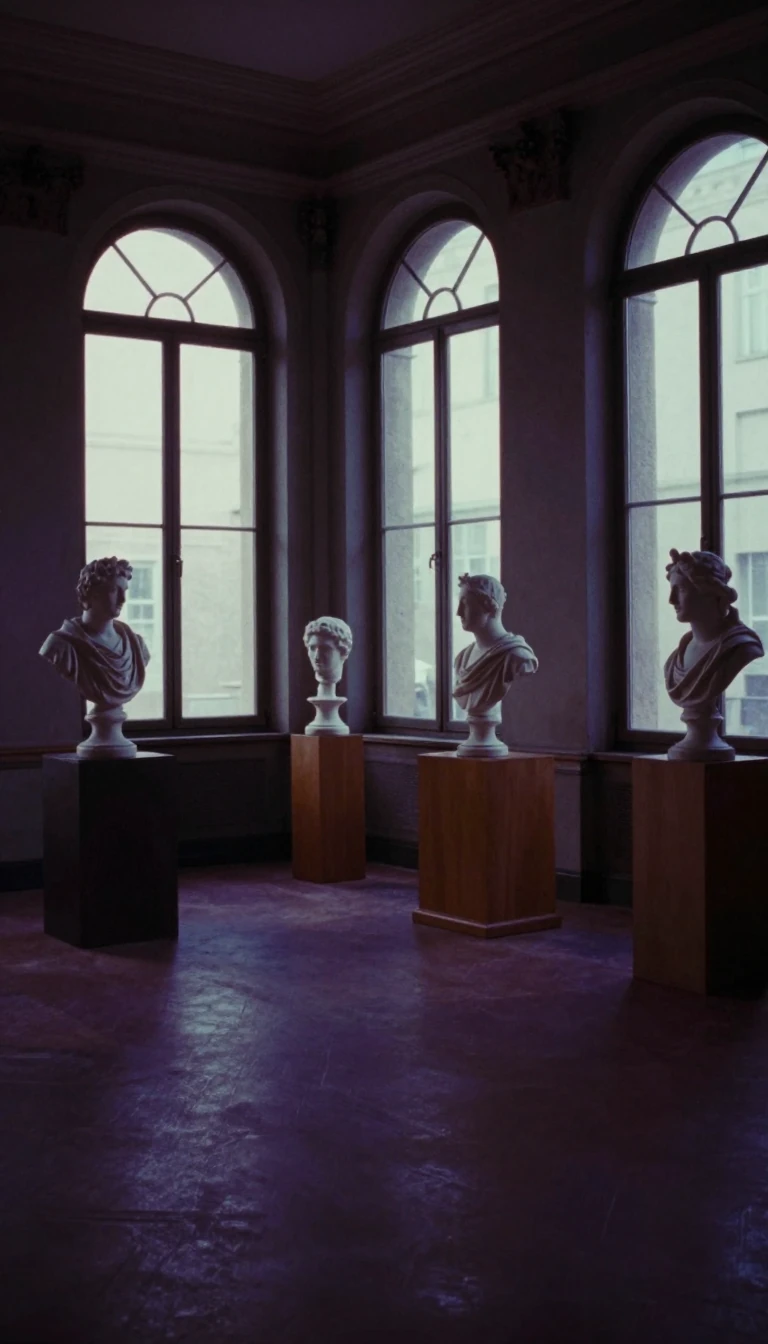
In short: The National Museum in Warsaw holds over 830,000 items, ranging from ancient Egyptian artifacts to contemporary Polish avant-garde film. By abandoning traditional chronological displays for thematic arrangements, the museum invites visitors to compare artistic traditions across centuries, transforming how we perceive the connections between global history and cultural identity.
Established in 1862 as the Museum of Fine Arts, the institution underwent a significant evolution before its current modernist building on Jerusalem Avenue was inaugurated in 1938. Under the leadership of director Stanisław Lorentz, the museum survived the looting of its collection by the Gestapo during World War II. While many works were recovered post-war, over 5,000 artifacts remain missing today, a testament to the turbulent history of the Polish capital.
The museum’s modern identity is defined by its innovative curatorial approach. Since 2012, galleries have been reorganized to prioritize thematic resonance over national schools. In the Gallery of Old Masters, for example, works are grouped by their original social functions and artistic circles, allowing visitors to see how Renaissance theory and the hierarchy of genres influenced painters from both the North and South. This method highlights shared foundations in Greco-Roman antiquity and Christian tradition.
Beyond its permanent galleries, the museum is a hub for specialized research and unique collections. It houses the Faras Gallery, which contains Europe's largest collection of Nubian Christian art, and the Gallery of Medieval Art, which utilizes advanced LED lighting to reveal the intricate details of large polyptychs. The institution also manages subsidiaries like the Nieborów Palace and the Poster Museum, ensuring that its influence extends well beyond its central Warsaw location.
In 2010, the museum made headlines as one of the first state institutions globally to host an exhibition dedicated to homoerotic art. Today, it remains a leader in digital accessibility, offering augmented reality features and mobile applications to help visitors engage with contemporary works. By bridging the gap between ancient craftsmanship and modern performance art, the museum serves as a vital repository of the diverse traditions that shape contemporary European culture.
Opens the Intellect+ feed with this card first. Swipe up for the next one.
Sources
- Summary by Intellect · source: National Museum in Warsaw
- Also: Art Institute of Chicago — National Museum of Art, Tokyo · CC0 (data); description CC BY 4.0
To cite this card, link to https://intellectplus.co.uk/app/art-national-museum-in-warsaw.
How we source, check and correct cards: Editorial standards.
General information, not professional advice. Spotted an error? Flag the card or see corrections and complaints.
Intellect Plus is a visual educational discovery platform for exploring fascinating facts and ideas. Brain Food, Not Brain Rot. What is Intellect Plus?
Related
More in Cultural venues · More in Art · Latest · A–Z · All topics
