How a 1932 London cinema became the world's most recorded live music stage.
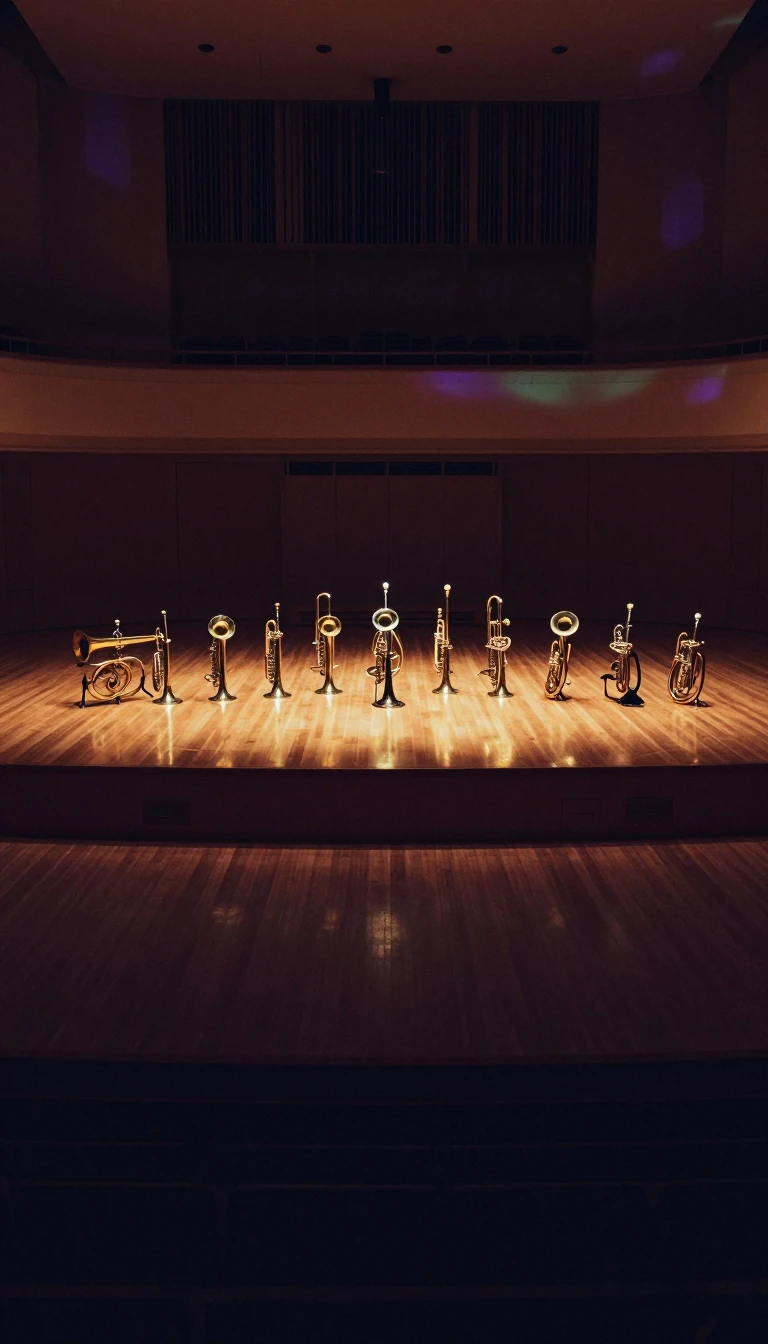
In short: Originally built as the Gaumont Palace, this Art Deco landmark in Hammersmith has hosted everyone from The Beatles to David Bowie. Beyond its architecture, the venue is a legendary recording site, immortalized in countless live albums and concert films that have defined the sound of rock and jazz history.
Opened in 1932 as the Gaumont Palace, the venue was designed by Robert Cromie in an Art Deco style. It originally featured a Compton pipe organ, which remains in the building today. After falling into disrepair and being removed in the 1990s, the organ was restored to playing condition in 2007 following pressure from English Heritage and the local council. It now rises through the stage on a dedicated lift.
The venue has undergone numerous name changes, including the Hammersmith Odeon, Labatt's Apollo, Carling Apollo, and HMV Apollo, before settling on its current name, Eventim Apollo. Its capacity has also evolved; while it once seated nearly 3,500 people, the 2003 removal of stalls seating allowed for a flexible format that can accommodate around 5,000 people for standing-only events. The building received Grade II* listed status in 2005.
The Apollo’s reputation as a premier recording site is cemented by the sheer volume of live material captured within its walls. From the Beatles playing 38 shows in 1964 and 1965 to David Bowie’s final performance as Ziggy Stardust in 1973, the stage has served as a backdrop for iconic cultural moments. Bands such as Iron Maiden, Queen, and Black Sabbath have all utilized the venue to record live albums or concert films, often returning multiple times throughout their careers.
Beyond music, the venue has permeated popular culture, appearing in films like The Smallest Show on Earth and The Football Factory. It remains a site of historical anecdotes, such as Buddy Holly’s final UK shows in 1958, where he performed with a temporary dental repair made of chewing gum. Today, it continues to function as a major hub for live entertainment, bridging its cinematic origins with its status as a global music institution.
Opens the Intellect+ feed with this card first. Swipe up for the next one.
Sources
- Summary by Intellect · source: Hammersmith Apollo
- Also: Wikidata — Hammersmith Apollo · CC0
To cite this card, link to https://intellectplus.co.uk/app/places-hammersmith-apollo.
How we source, check and correct cards: Editorial standards.
General information, not professional advice. Spotted an error? Flag the card or see corrections and complaints.
Intellect Plus is a visual educational discovery platform for exploring fascinating facts and ideas. Brain Food, Not Brain Rot. What is Intellect Plus?
Related
More in Famous landmarks · More in Countries & Cities · Latest · A–Z · All topics
