Why did India choose to illustrate its Constitution with the soul of rural life?
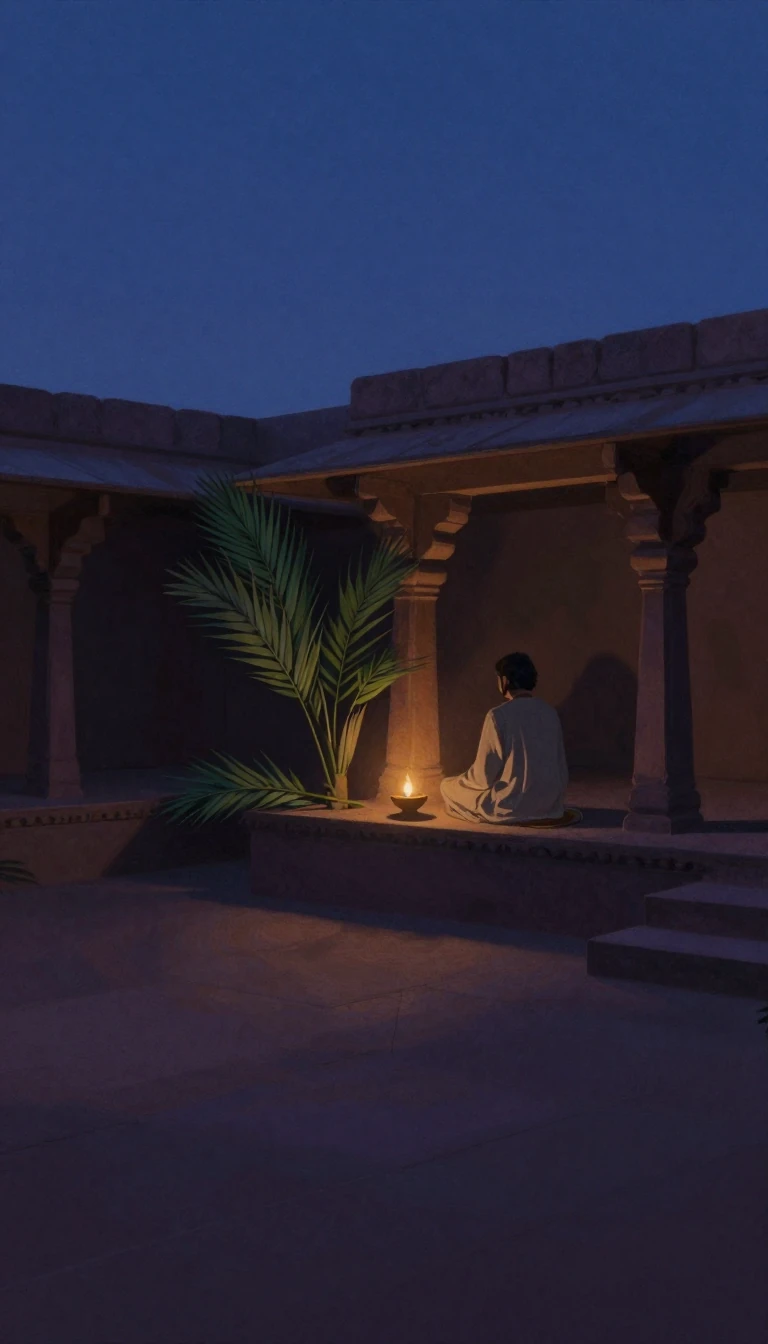
In short: The Constitution of India is the only illustrated constitution in the world. When Jawaharlal Nehru sought to define the new nation, he turned to artist Nandalal Bose to populate the legal document with the spirit of Indian life, bridging the gap between abstract jurisprudence and the people it governed.
Nandalal Bose (1882–1966) was a pioneer of modern Indian art whose journey began under Abanindranath Tagore at Calcutta’s Government School of Art in 1905. By 1919, he was directing the Kala Bhavan at Visva-Bharati University, where his ecumenical approach to art—drawing from Chinese, Japanese, and diverse Indian traditions—flourished. His work was deeply rooted in the landscape of India, shaped by extensive travel and a commitment to capturing the reality of its 500,000 villages.
Bose’s national prominence was cemented by his 1930 linocut of Mahatma Gandhi during the Dandi March. This iconic image, later inserted into Part XVI of the Constitution, captured the spirit of the independence movement. In 1937–38, he further demonstrated his ability to translate nationalist ideals into visual form by creating nearly 400 posters for the Haripura session of the Indian National Congress. These panels, commissioned by Gandhi, depicted everyday rural life to embody the principles of swadeshi and swaraj.
When India became a Republic in 1950, the literacy rate was just 18.3 per cent. While it remains uncertain if Nehru commissioned Bose specifically to make the legal text more accessible, the decision to illustrate the Constitution remains a singular act. Bose, alongside his disciple Beohar Rammanohar Sinha, adorned the manuscript with gold-specked borders and illustrations for each of its 22 chapters. By weaving the staff of Indian life into the foundational document, Bose ensured the Constitution was not merely a legal contract, but a reflection of the nation’s soul.
Opens the Intellect+ feed with this card first. Swipe up for the next one.
Sources
- Summary by Intellect · source: The Burden and Promise of the Past: Nandalal Bose and the Art of the Constitution of India - South Asia @ LSE
- Also: Nandalal Bose
- Also: Mahatma Gandhi (Bapuji) on the Dandi March
To cite this card, link to https://intellectplus.co.uk/app/art-nandalal-bose.
How we source, check and correct cards: Editorial standards.
General information, not professional advice. Spotted an error? Flag the card or see corrections and complaints.
Intellect Plus is a visual educational discovery platform for exploring fascinating facts and ideas. Brain Food, Not Brain Rot. What is Intellect Plus?
Related
More in Visual artists · More in Art · Latest · A–Z · All topics
