How Nam June Paik turned the tyranny of television into a humanizing art form
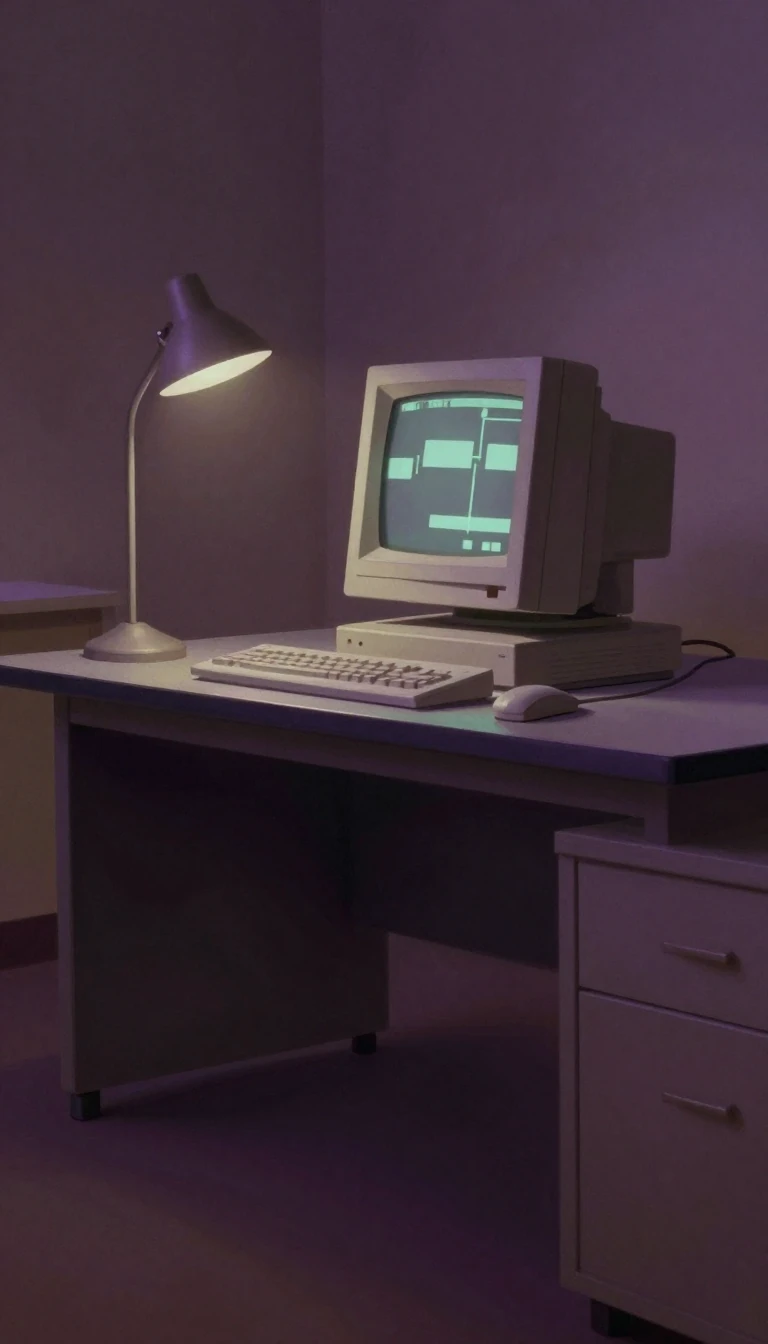
In short: Nam June Paik, a classically trained musician turned visual pioneer, transformed the television from a passive broadcast tool into a sculptural medium. By humanizing technology through his iconic robot figures and video installations, he challenged our relationship with the screens that define our modern lives and rapid technological evolution.
Born in Seoul in 1932, Nam June Paik was a classically trained pianist who transitioned from experimental music to visual art after encountering avant-garde composer John Cage in the late 1950s. His early career was defined by his involvement with the Fluxus movement, a collective that embraced everyday sounds and unconventional performances. In 1963, Paik staged his groundbreaking exhibition, Exposition of Music/Electronic Television, in Wuppertal, Germany, which is widely cited as the first time video was utilized as an artistic medium. He famously used magnets to distort television images, signaling his intent to subvert the medium's standard broadcast function.
Paik’s work often explored the intersection of human identity and technological progress. His series Family of Robot, begun in 1986, utilized vintage radios and television monitors to construct anthropomorphic figures representing different generations. By assembling these sculptures from hardware spanning the 20th century, Paik created a physical history of media evolution. For instance, the sculpture Baby was constructed from thirteen Samsung monitors, reflecting the rapid pace of technological change. Paik argued that to truly overcome the influence of technology, one must understand it intimately, aiming to liberate viewers from the passive consumption of broadcast media.
Throughout his career, Paik maintained a transnational identity, having lived in Korea, Japan, Germany, and the United States. This background informed his interest in global communication, which he championed through live satellite broadcasts like 1984's Good Morning, Mr. Orwell. Despite suffering a stroke in 1996 that left him partially paralyzed, he continued to create, including his 1997 video opera Coyote 3. Paik’s legacy remains rooted in his ability to bridge the gap between nature and technology, forcing us to view our screens not as authorities, but as materials for creative resistance.
Opens the Intellect+ feed with this card first. Swipe up for the next one.
Sources
- Summary by Intellect · source: Nam June Paik | Video Art, Fluxus Movement, Electronic Music | Britannica
- Also: Nam June Paik
- Also: Family of Robot: Baby
To cite this card, link to https://intellectplus.co.uk/app/art-nam-june-paik.
How we source, check and correct cards: Editorial standards.
General information, not professional advice. Spotted an error? Flag the card or see corrections and complaints.
Intellect Plus is a visual educational discovery platform for exploring fascinating facts and ideas. Brain Food, Not Brain Rot. What is Intellect Plus?
Related
More in Visual artists · More in Art · Latest · A–Z · All topics
