How a Victorian engineering marvel became Scotland's most popular modern cultural destination
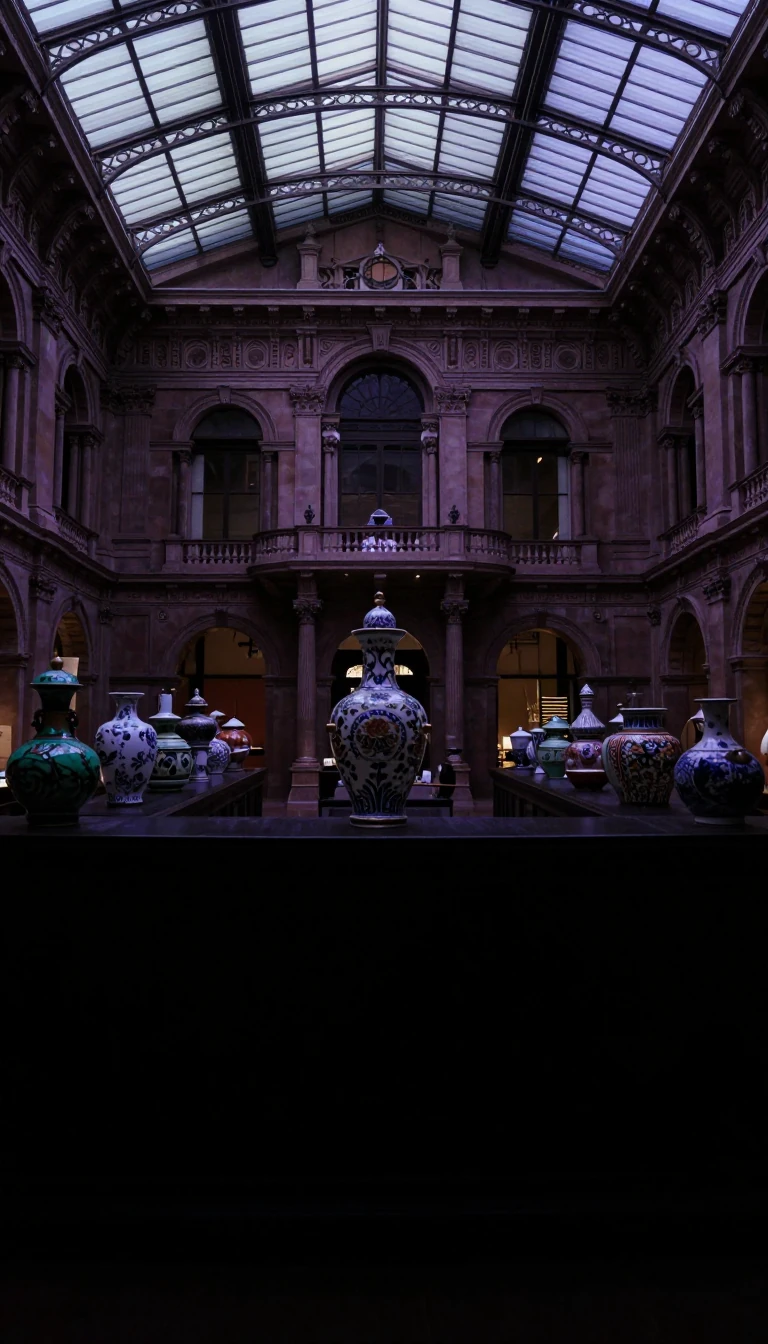
In short: The National Museum of Scotland is a tale of two buildings: one a geometric, sandstone-clad modern structure, the other a grand Victorian hall inspired by The Crystal Palace. Together, they house everything from the first cloned mammal to ancient Scottish history, drawing millions of visitors to Edinburgh every year.
The museum’s origins trace back to 1697, when Robert Sibbald gifted a natural history collection to the University of Edinburgh. By the 19th century, this collection had grown so vast that it required a dedicated space. In 1854, the government intervened, establishing the Industrial Museum of Scotland to educate the public on commerce and industrial arts. Construction of the Victorian building began in 1861 under the direction of Captain Francis Fowke and architect Robert Matheson, with Prince Albert laying the foundation stone shortly before his death.
The site evolved significantly over the next century. The Victorian building, known for its Venetian Renaissance facade and iron-wrought Grand Gallery, opened in phases starting in 1866. It was later renamed the Royal Scottish Museum in 1904. In 1998, a modern extension—the Museum of Scotland—was added to house archaeological and historical collections. This new wing, designed by Benson & Forsyth, features geometric, Corbusian forms and is clad in golden Moray sandstone, which architect Gordon Benson famously described as the building's oldest exhibit.
The two institutions formally merged in 2006 to form the National Museum of Scotland, a move designed to simplify the brand for visitors. A major £47 million redevelopment, led by Gareth Hoskins Architects, followed in 2008, resulting in a unified, accessible space that reopened in 2011. Today, the museum serves as a repository for diverse artifacts, ranging from the stuffed remains of Dolly the sheep to the 36-foot Ni'isjoohl totem pole, which was returned to the Nisga'a people in 2023. With over 2.3 million visitors in 2025, it remains Scotland's most popular attraction.
The museum has also cultivated a history of curiosity and occasional mischief. In 1975, it famously displayed a fictitious bird called the Bare-fronted Hoodwink, a taxidermy prank created from various bird scraps and wax. This blend of serious scientific inquiry and public engagement defines the museum's character, bridging the gap between its academic roots at the University of Edinburgh and its current role as a global cultural hub.
Opens the Intellect+ feed with this card first. Swipe up for the next one.
Sources
- Summary by Intellect · source: National Museum of Scotland
To cite this card, link to https://intellectplus.co.uk/app/art-national-museum-of-scotland.
How we source, check and correct cards: Editorial standards.
General information, not professional advice. Spotted an error? Flag the card or see corrections and complaints.
Intellect Plus is a visual educational discovery platform for exploring fascinating facts and ideas. Brain Food, Not Brain Rot. What is Intellect Plus?
Related
More in Cultural venues · More in Art · Latest · A–Z · All topics
