A museum born from a London exhibition and a Prime Minister's vision
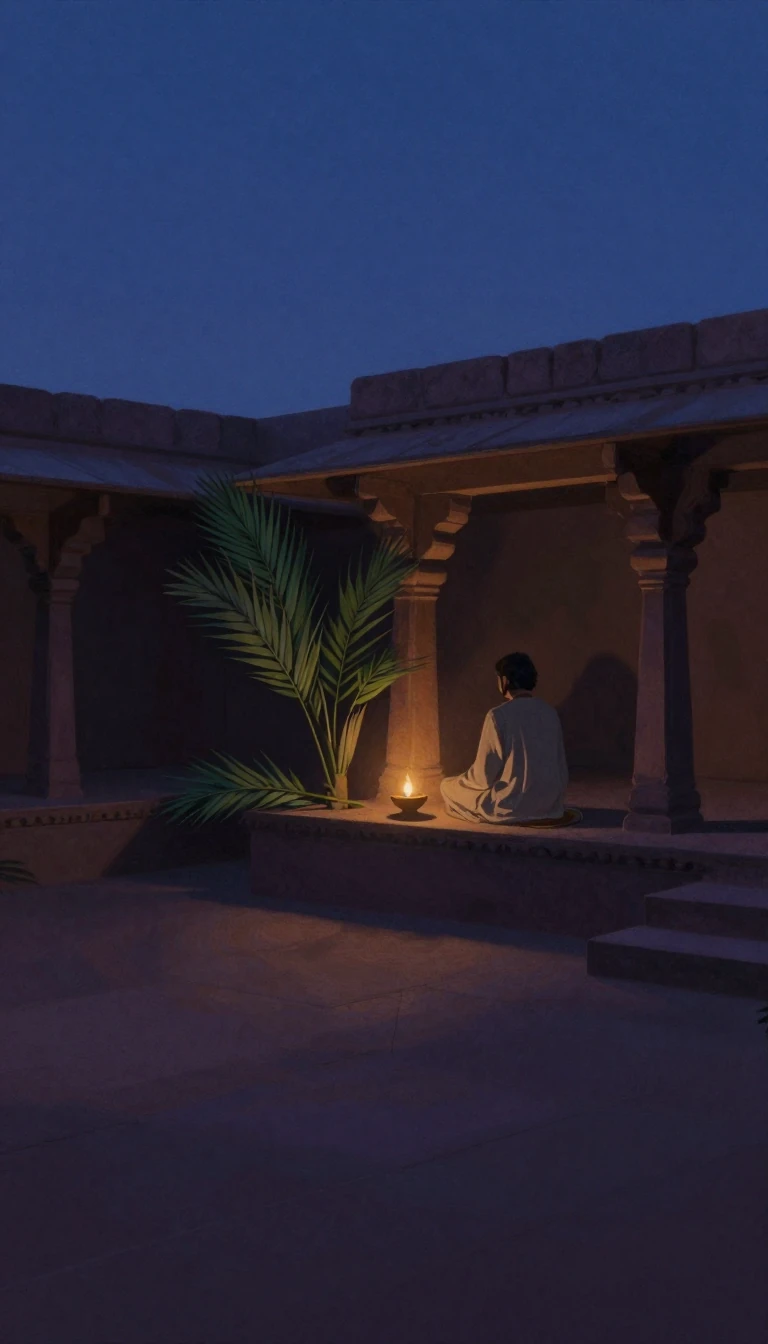
In short: The National Museum of India did not start in a new building, but in a London gallery. Following a landmark 1947 exhibition at Burlington House, a collection of high art returned to a newly independent nation, eventually forming the foundation of one of the world's largest archaeological repositories.
The origins of the National Museum are tied to the transition of Indian art from colonial interest to national heritage. The core of the collection arrived in India following a significant exhibition organized by the Royal Academy of Arts in London between 1947 and 1948. Supported by both the British and British Indian governments, this showcase helped elevate Indian artifacts to the status of 'high art.' Upon their return, Prime Minister Jawaharlal Nehru championed the creation of a permanent home for these pieces, ensuring they could be appreciated by the Indian public.
The institution's physical journey began in 1949 when it was founded within the Rashtrapati Bhavan, the official residence of the President of India. For several years, the museum functioned as a permanent version of the London exhibition, housed in the state rooms of Government House. It was not until 1960 that a dedicated section of the Janpath facility was opened to the public. Interestingly, even after the move, certain treasures like the Rampurva Bull and a statue of Buddha remained at the presidential residence at Nehru's request.
Today, the museum is a massive repository spanning over 5,000 years of history. Its three-story facility contains more than 200,000 artifacts, though only about 8,000 are on display at any given time. The collection is vast, ranging from the Indus civilization—including the famous 'Dancing Girl' bronze from Mohenjo-daro—to the Mauryan, Shunga, and Gupta empires. It also manages a diverse array of 14,000 manuscripts from the 7th to the 20th century, alongside Mughal and Rajput miniature paintings and various international art collections.
Opens the Intellect+ feed with this card first. Swipe up for the next one.
Sources
- Summary by Intellect · source: National Museum (India) | History, Galleries, Exhibits, & Facts | Britannica
- Also: National Museum of India
To cite this card, link to https://intellectplus.co.uk/app/art-national-museum-of-india.
How we source, check and correct cards: Editorial standards.
General information, not professional advice. Spotted an error? Flag the card or see corrections and complaints.
Intellect Plus is a visual educational discovery platform for exploring fascinating facts and ideas. Brain Food, Not Brain Rot. What is Intellect Plus?
Related
More in Cultural venues · More in Art · Latest · A–Z · All topics
