How a Czech museum evolved from a noble hobby into a national identity pillar.
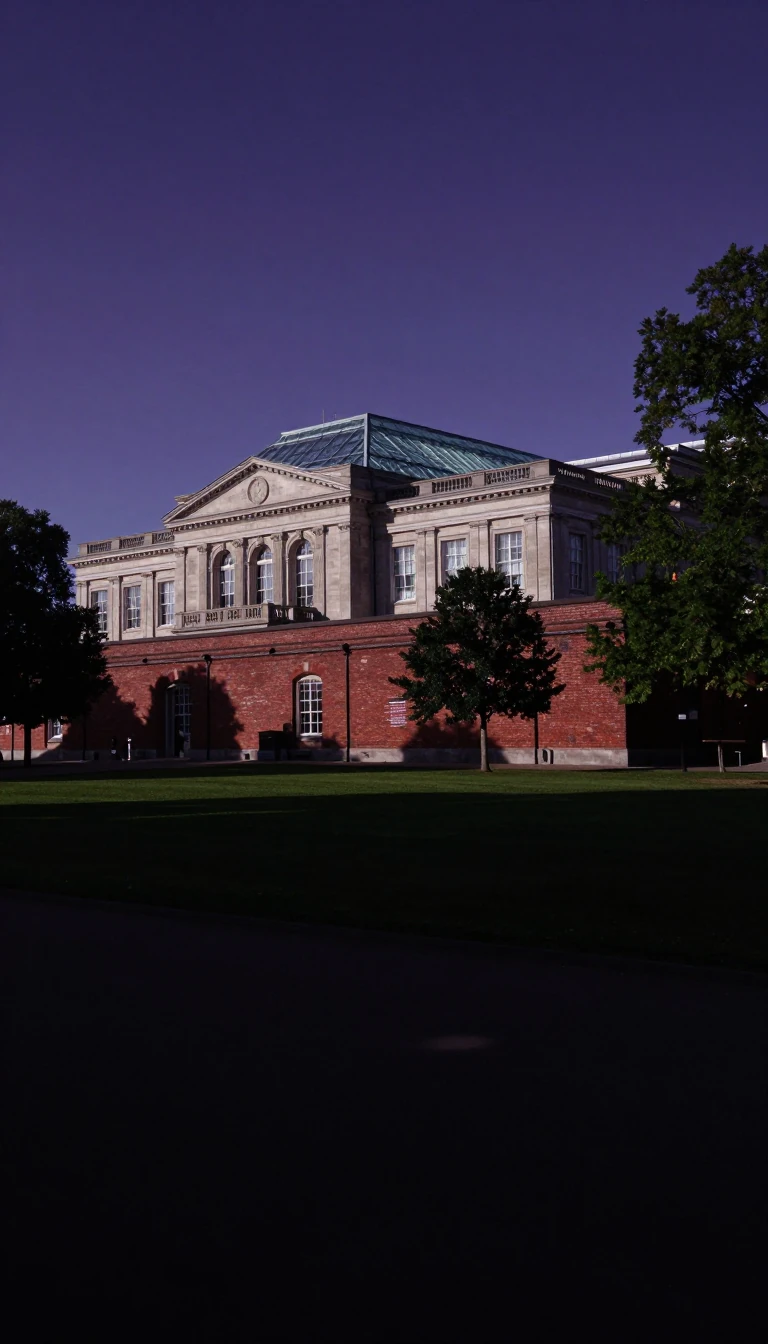
In short: Founded in 1818 to break the nobility's monopoly on knowledge, Prague's National Museum has survived wars, machine-gun fire, and massive infrastructure shifts. Today, it houses nearly 14 million items, serving as a vital repository for Czech history, natural science, and the evolving culture of the entire nation.
The National Museum was established in 1818 by Count Kašpar Maria Šternberg, a botanist and mineralogist whose interests initially steered the institution toward natural sciences. Early efforts were supported by figures like historian František Palacký, who sought to balance scientific inquiry with a growing sense of Czech nationalism. By the 1830s and 1840s, as Romanticism took hold, the museum began prioritizing historical collections, eventually reaching parity with its scientific holdings a century later.
The museum's main building, a neo-Renaissance landmark on Wenceslas Square, was completed by architect Josef Schulz in 1891. Its location at a central Prague intersection has made it a frequent site for public rallies and protests. The building has endured significant trauma, including a World War II bombing in 1945 and severe damage from Soviet machine-gun fire during the 1968 Warsaw Pact intervention. Bullet holes remain visible today, as lighter sandstone was used in subsequent repairs.
Beyond physical damage, the museum faced modern logistical challenges. The 1978 construction of the North-South Highway isolated the building from city infrastructure, exposing it to vibrations and noise. A massive seven-year reconstruction, ending in 2018, saw the relocation of seven million items—the largest such move in Czech history. This project modernized the facility, connecting the historical building to a newer structure via an underground tunnel and opening the dome to the public for the first time in 2019.
Today, the institution operates as a sprawling network of specialized sites, including the Náprstek Museum and the Czech Museum of Music. Its collections range from medieval jewelry and Hussite-era weapons to ethnographic artifacts documenting the transition from rural to urban life. By shifting focus from elite noble collections to public education, the museum remains a central intellectual force in the Czech Republic.
Opens the Intellect+ feed with this card first. Swipe up for the next one.
Sources
- Summary by Intellect · source: National Museum (Prague)
- Also: Art Institute of Chicago — National Museum of Art, Tokyo · CC0 (data); description CC BY 4.0
To cite this card, link to https://intellectplus.co.uk/app/art-national-museum-prague.
How we source, check and correct cards: Editorial standards.
General information, not professional advice. Spotted an error? Flag the card or see corrections and complaints.
Intellect Plus is a visual educational discovery platform for exploring fascinating facts and ideas. Brain Food, Not Brain Rot. What is Intellect Plus?
Related
More in Cultural venues · More in Art · Latest · A–Z · All topics
