How needlework evolved from a domestic necessity to a Victorian status symbol
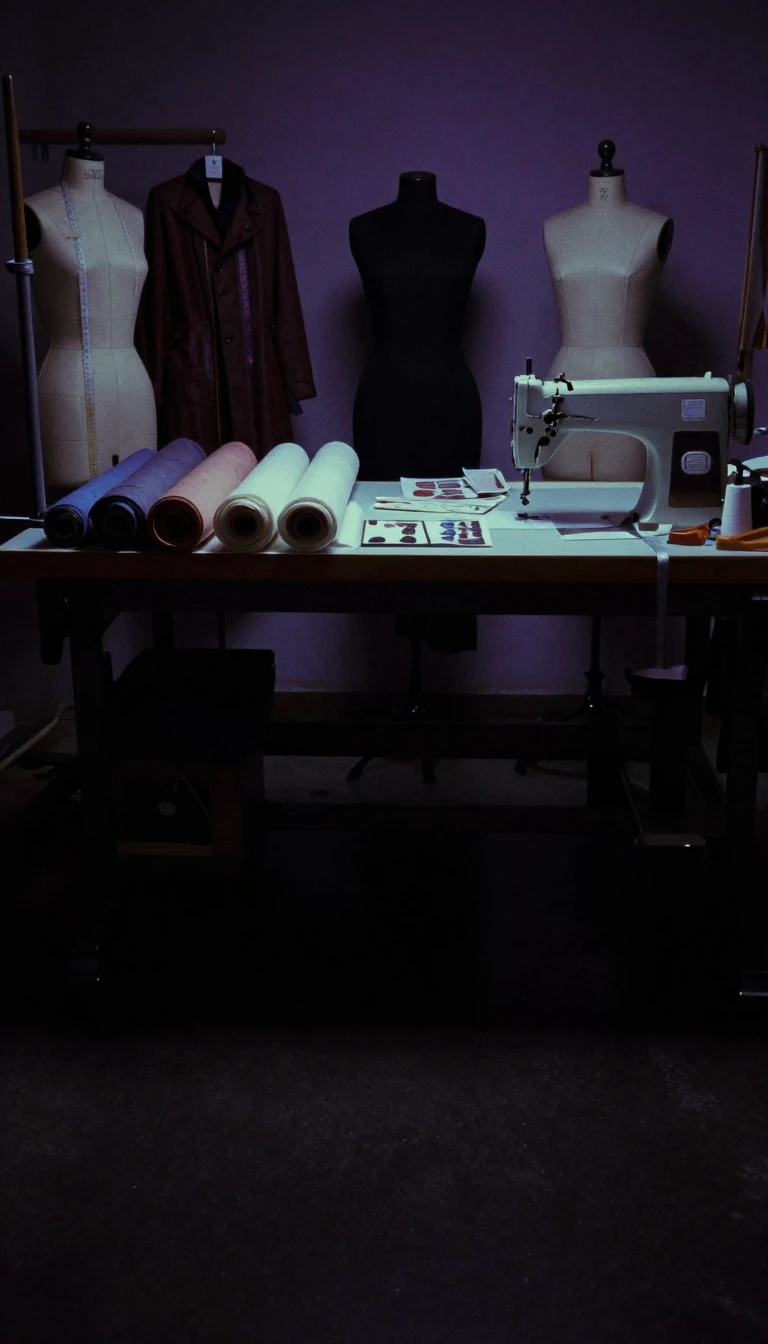
In short: Needlework is far more than simple sewing. From the intricate tapestries of the Italian Renaissance to the parlor-bound embroidery of the Victorian era, these textile arts have long served as markers of class, identity, and social grace, transforming raw fibers into complex narratives of history and domestic life.
During the Italian Renaissance, needlework was a primary vehicle for expressing the feminine ideal within the home. Women across all economic strata engaged in sewing, quilting, and embroidery, though their focus differed significantly based on status. While those of lower economic standing prioritized practical housework, wealthier women invested in elaborate decorative works, including tapestries. These pieces often featured religious narratives or scenes from Greek and Roman mythology. Beyond these stories, needleworkers adopted natural motifs and the intricate Islamic arabesque design, which featured interlocking knots and foliage. These patterns were disseminated through pattern books and became particularly prominent in Venetian lace production.
By the Victorian age, needlework had become a central pillar of female identity. As the middle class expanded and gained more leisure time, the availability of printed patterns allowed homemakers to decorate an endless array of household items, from sofa cushions and lampshades to knitted boots. A clear distinction emerged between plain sewing, often delegated to servants, and fancy work. Displaying handmade needlework became a hallmark of a well-managed, prosperous home. It was considered a sign of grace for a woman to be seen working on these projects while entertaining guests in the parlor, a practice supported by contemporary publications that linked such domestic labor to feminine beauty.
The technical foundations of these crafts remain consistent, relying on fine motor skills and a deep understanding of textile fibers. Tools and techniques often overlap, with methods like crochet and tatting sitting alongside traditional needle-based crafts. Historical artifacts, such as an English orphrey band from the late 14th century, demonstrate the complexity of these techniques, utilizing diverse stitches like satin, split, and stem stitches combined with metal-wrapped silk. By the early 20th century, the professionalization of the craft continued, as evidenced by formal design patterns produced in Vienna, showing how needlework transitioned from a private domestic pursuit into a refined, documented art form.
Opens the Intellect+ feed with this card first. Swipe up for the next one.
Sources
- Summary by Intellect · source: Needlework
- Also: Art Institute of Chicago — Orphrey Band · CC0 (data); description CC BY 4.0
- Also: Art Institute of Chicago — Needlework Design · CC0 (data); description CC BY 4.0
To cite this card, link to https://intellectplus.co.uk/app/art-needlework.
How we source, check and correct cards: Editorial standards.
General information, not professional advice. Spotted an error? Flag the card or see corrections and complaints.
Intellect Plus is a visual educational discovery platform for exploring fascinating facts and ideas. Brain Food, Not Brain Rot. What is Intellect Plus?
Related
More in Visual arts · More in Art · Latest · A–Z · All topics
