The 1860s: When Fashion Became a Chemical and Structural Engineering Feat
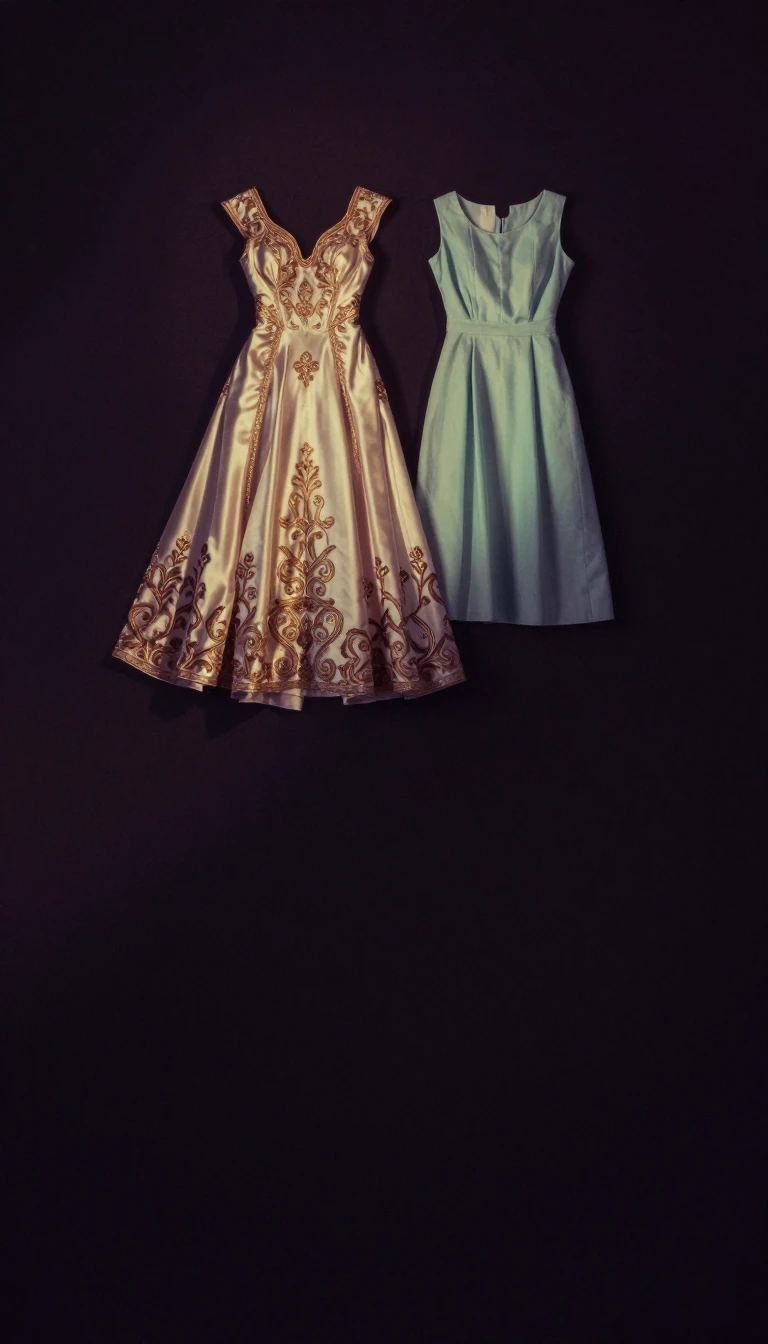
In short: Imagine a dress so massive it required its own structural engineering, powered by the world's first synthetic dyes. In the 1860s, women's fashion moved from simple fabric to complex architectural constructs of whalebone, steam-molding, and brilliant new chemistry, while men finally settled into the modern three-piece suit.
The 1860s marked a radical shift in textile technology with the discovery of Mauveine Aniline dyes in 1856. These were the first chemical dyes, allowing for vibrant colors like magenta and solferino—named after Italian battles—to become fashionable. By 1860, these brilliant pinks and purples were being popularized across Europe, moving fashion away from the limitations of natural pigments.
Simultaneously, women's silhouettes reached a peak of structural complexity. By 1860, crinolines had reached their maximum width, but by 1862, the shape shifted from a bell to a flatter front with volume projecting toward the back. These massive garments required gauze linings, multiple starched petticoats, and even heavy embroidery in gold or silver. To achieve the desired shape, corsets were lengthened and reinforced with whalebone, cording, or leather. In the late 1860s, Edwin Izod even introduced steam-molding to dry wet, starched corsets onto copper torso forms to create specific curvaceous contours.
While high fashion was dominated by Parisian couturiers like Charles Frederick Worth, an 'anti-fashion' movement emerged. The Artistic Dress movement, influenced by the Pre-Raphaelite Brotherhood, rejected the 'dishonest' rigid hoops and corsets in favor of medieval-inspired lines and vegetable dyes. Meanwhile, men's fashion was simplifying into the three-piece ditto suit—a sack coat, waistcoat, and trousers made of the same fabric—establishing the standard for modern menswear.
These trends traveled slowly; American fashion plates often lagged behind Paris or London by a year or more. Even the practicalities of life were dictated by these styles, as the southern elite in the United States were forced to take naps to escape the heat and the physical weight of their multi-layered, whalebone-heavy ensembles.
Opens the Intellect+ feed with this card first. Swipe up for the next one.
Sources
- Summary by Intellect · source: 1860s in Western fashion
To cite this card, link to https://intellectplus.co.uk/app/culture-1860s-in-western-fashion.
How we source, check and correct cards: Editorial standards.
General information, not professional advice. Spotted an error? Flag the card or see corrections and complaints.
Intellect Plus is a visual educational discovery platform for exploring fascinating facts and ideas. Brain Food, Not Brain Rot. What is Intellect Plus?
Related
More in Fashion through the ages · More in Cultures · Latest · A–Z · All topics
