Why physical illusions remain the gold standard for cinematic realism and immersive storytelling
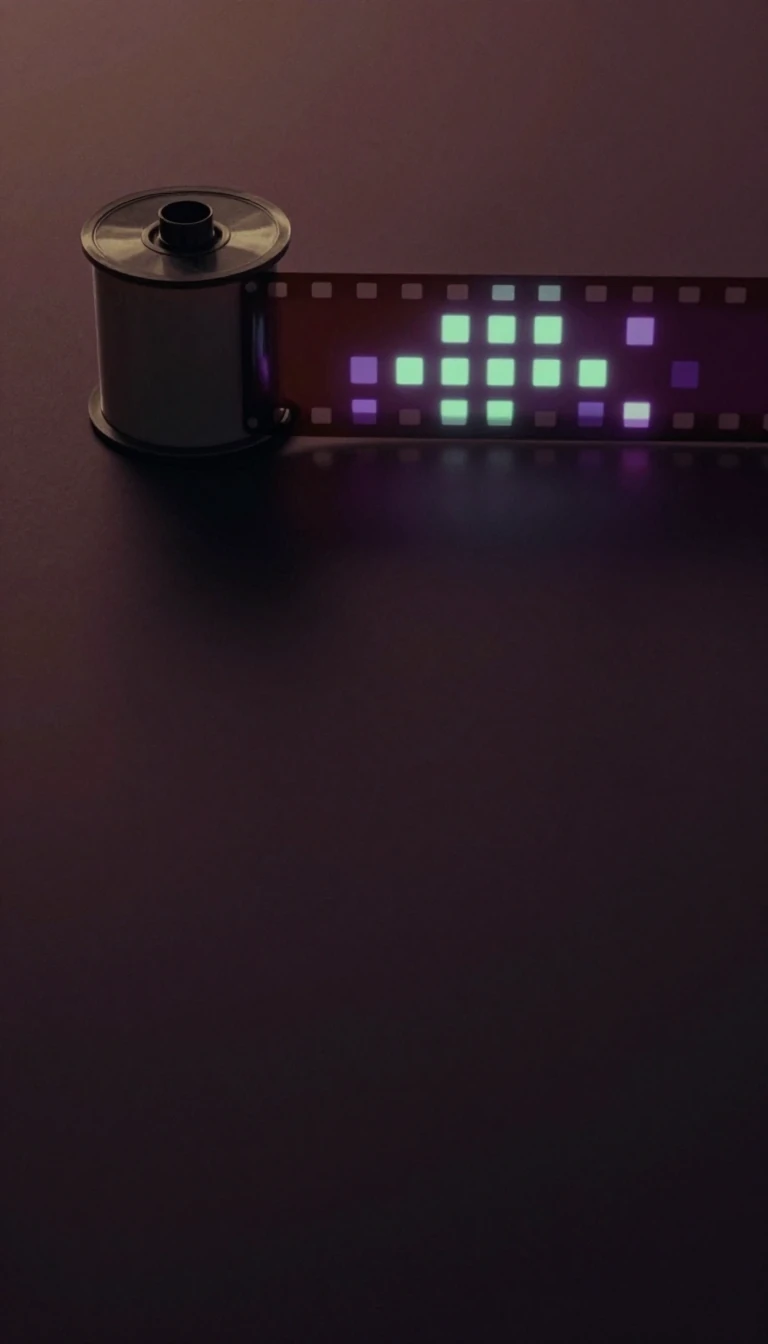
In short: Before digital pixels dominated the screen, filmmakers relied on physical ingenuity to conjure magic. Practical effects—from miniature models to complex pyrotechnics—are created on set, not in post-production. By blending artistic craftsmanship with mechanical engineering, these tangible illusions offer a weight and presence that computer-generated imagery often struggles to replicate.
In the world of filmmaking, a practical effect is defined by its physical existence. Unlike visual effects, which rely on post-production photographic manipulation or computer-generated imagery, practical effects are produced directly on the movie set. This discipline requires an interdisciplinary skill set, merging artistic vision with technical expertise in mechanics and engineering. Practitioners often borrow principles from magic, utilizing the camera's single viewpoint to craft convincing illusions that may only function from specific angles, or employing custom-built props designed to achieve a singular, striking result.
The range of these effects is vast, covering everything from the subtle to the spectacular. Action cinema staples like gunfire, wind, rain, and explosions are frequently achieved through physical means. Pyrotechnics handle fire, while sprinkler systems and fog machines simulate weather. Mechanical devices, such as aerial rigging for flight or stage-mounted gimbals that manipulate the ground, physically alter the environment. Even the human form is subject to these techniques; prosthetics, masks, and creature suits allow for the creation of non-human characters that exist in the same physical space as the actors, providing a tangible interaction that digital overlays sometimes lack.
Beyond the spectacle of action, practical effects extend to the art of deception and scale. Miniature effects involve photographing small-scale models to mimic full-sized environments, while body mutilation effects—such as fake blood and bullet hit squibs—create the visceral illusion of injury. Whether it is an animatronic creature or a simple prop, the goal remains the same: to ground the audience in a reality that feels authentic. While digital tools have evolved, the reliance on physical craftsmanship remains a cornerstone of filmmaking, proving that sometimes the most effective way to create a world is to build it, piece by piece, right in front of the lens.
This commitment to the physical is not merely about nostalgia; it is about the unique intersection of art and physics. By manipulating the environment and the materials within it, filmmakers create a sensory experience that is rooted in the real world. This approach continues to be vital, as the interplay between light, mechanics, and human performance creates a depth that remains difficult to synthesize entirely within a computer.
Opens the Intellect+ feed with this card first. Swipe up for the next one.
Sources
- Summary by Intellect · source: Practical effect
To cite this card, link to https://intellectplus.co.uk/app/art-practical-effect.
How we source, check and correct cards: Editorial standards.
General information, not professional advice. Spotted an error? Flag the card or see corrections and complaints.
Intellect Plus is a visual educational discovery platform for exploring fascinating facts and ideas. Brain Food, Not Brain Rot. What is Intellect Plus?
Related
More in Film and television · More in Art · Latest · A–Z · All topics
