How a desperate, low-budget Italian war drama became a global cinematic masterpiece
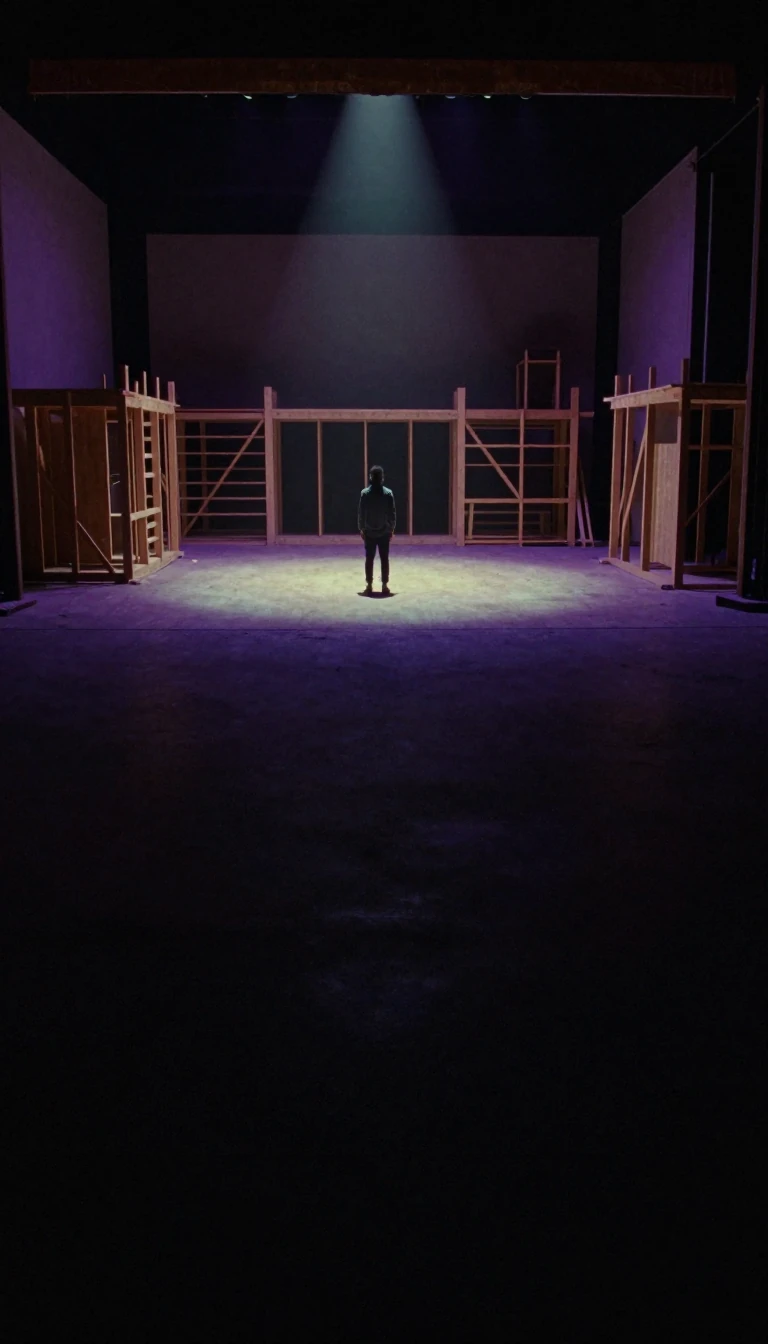
In short: Filmed in 1945 amidst the rubble of post-war Rome, Roberto Rossellini’s Rome, Open City was born from scarcity. With no professional studios, little money, and salvaged film stock, the director captured a raw, immediate portrait of the Resistance that defied expectations and launched the influential neorealist movement worldwide.
Rome, Open City emerged from the ruins of a city recently liberated from Nazi occupation. Director Roberto Rossellini, facing a near-nonexistent Italian film industry, initially planned a documentary about a priest executed for helping partisans. The resulting feature, shot in 1945, utilized non-professional actors and improvised scenes to capture the genuine fear and poverty of the era. Because Cinecittà Studios were requisitioned to house displaced persons, the crew relied on only four interior sets, filming the rest on location. The film’s distinct, gritty aesthetic was partly a byproduct of necessity; the production used three different types of film stock, including discarded scraps from the U.S. Signal Corps, which contributed to inconsistent image quality.
The film’s path to international acclaim was as chaotic as its production. Rod E. Geiger, a U.S. soldier who provided the essential film stock, was later credited as a co-producer, though screenwriter Federico Fellini famously disputed his importance in an autobiographical essay that led to a failed defamation lawsuit. Despite a lukewarm reception from Italian audiences—who reportedly craved escapism rather than reminders of the war—the film found massive success in the United States. Marketing efforts by Arthur Mayer and Joseph Burstyn helped it gross $3 million, an unprecedented figure for a foreign film at the time.
While often hailed as the quintessential example of Italian neorealism, the film’s classification remains a subject of scholarly debate. Some critics argue it relies heavily on traditional melodrama and clear moral binaries between good and evil, rather than the pure realism later defined by André Bazin. Others suggest it reflects the historical collaboration between communists and Catholics in the resistance. Regardless of its technical label, the film’s legacy is secure: it was included in the Vatican’s 1995 list of important films and remains a critical darling, holding a 100% rating on Rotten Tomatoes.
Opens the Intellect+ feed with this card first. Swipe up for the next one.
Sources
- Summary by Intellect · source: Rome, Open City
To cite this card, link to https://intellectplus.co.uk/app/art-rome-open-city.
How we source, check and correct cards: Editorial standards.
General information, not professional advice. Spotted an error? Flag the card or see corrections and complaints.
Intellect Plus is a visual educational discovery platform for exploring fascinating facts and ideas. Brain Food, Not Brain Rot. What is Intellect Plus?
Related
More in Film and television · More in Art · Latest · A–Z · All topics
