The Roman studio once known as Hollywood on the Tiber
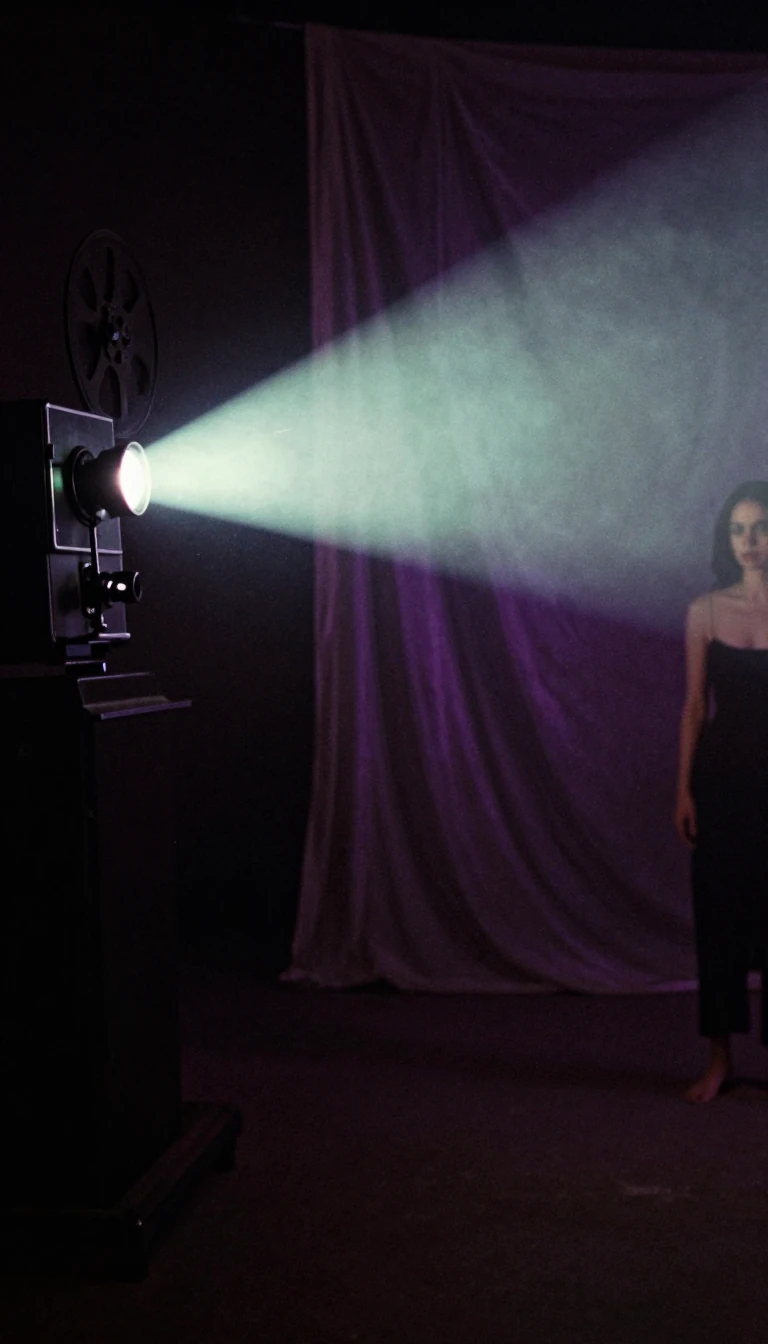
In short: Built during the Fascist era to rival Hollywood, Cinecittà has evolved from a propaganda tool into Europe's largest film studio. Beyond the silver screen, this massive complex has served as a wartime barracks, a refugee camp for thousands, and a sanctuary for displaced persons during the aftermath of World War II.
To boost the Italian film sector following its 1931 decline, Luigi Freddi, Vittorio Mussolini, and Benito Mussolini created Cinecittà in 1937. Operating under the philosophy that cinema was a potent tool for influence, the studios were designed to compete directly with American productions. Early technological feats, such as the 1937 film Scipio Africanus—which utilized 7,000 people for a single battle scene—showcased the facility's immense scale. The facility's grandeur was evident from its inception, exemplified by the use of live elephants during the re-enactment of the Battle of Zama.
The studio's history is marked by profound transformation. During World War II, the complex was gutted by Allied bombing and used as a German barracks. In the postwar years, between 1944 and 1950, it transitioned into a massive refugee camp. It housed an estimated 3,000 displaced persons, including 680 Jewish refugees in 1947, and served as a vital administrative hub for the Central Committee of Liberated Jews in Italy. The camp provided essential services, including a nursery and a synagogue, to support the diverse population of displaced individuals.
In the 1950s, the influx of international productions earned Rome the nickname "Hollywood on the Tiber." Since then, the studio has hosted legendary directors like Federico Fellini and Martin Scorsese, and produced over 3,000 films, including 47 Academy Award winners. Despite facing near-bankruptcy and several devastating fires—most notably in 2007, 2012, and 2022—the site remains a global cinematic powerhouse, currently undergoing a massive expansion to increase its stage capacity by 25% by 2026. The studio's legacy extends to modern entertainment through Cinecittà World, a movie-themed amusement park designed by Oscar-winning production designer Dante Ferretti.
Opens the Intellect+ feed with this card first. Swipe up for the next one.
Sources
- Summary by Intellect · source: Cinecittà
To cite this card, link to https://intellectplus.co.uk/app/culture-cinecitt.
How we source, check and correct cards: Editorial standards.
General information, not professional advice. Spotted an error? Flag the card or see corrections and complaints.
Intellect Plus is a visual educational discovery platform for exploring fascinating facts and ideas. Brain Food, Not Brain Rot. What is Intellect Plus?
Related
More in US culture · More in Cultures · Latest · A–Z · All topics
